
Homeowner Learning Center
Find answers about coverage, inspections, roof age, renewals, and claims.
Coverage & Deductibles
What does my policy cover?
Roofs & Home Eligibility
What about my home could affect my options?
Inspections & Home Improvements
What needs to be inspected or documented?
Buying, Renewing & Switching
What should I do before buying or changing coverage?
Claims & Storm Preparation
How do I prepare for damage or handle a loss?
Start with your situation
Quick answers
Sourced from Florida DFS insurance guidance and Florida Statutes. Last verified: August 2026.
What to check
Confirm the current policy form, declarations, endorsements, inspection documents, and carrier-specific underwriting guidance. A general directory page cannot decide eligibility or coverage for an individual property.
Directory pages like this one are built to compare published guidance across many carriers and topics, which is different from confirming how a specific rule applies to one property. The same question, “does my roof qualify” or “is this claim covered”, can have a different answer depending on the exact policy form in force, when it was issued, and any endorsements attached to it.
When a page here and something an agent or carrier tells you don’t match, treat the agent or carrier’s answer as controlling for that policy. Guidance changes between renewals, and a carrier can always apply stricter or more lenient judgment to an individual application than its general published rule suggests.
The Claims Process Guide is a good example: it explains that Florida Statutes § 627.70131 sets deadlines for a carrier to acknowledge and investigate a claim, but those exact windows have been adjusted by recent legislation, so the guide itself tells readers to confirm the current deadline rather than treating the statute number alone as the final answer.
What to have ready
Keep the declarations page, renewal or cancellation notice, inspection reports, roof and system permits, repair invoices, loss-history details, mortgage information, and any carrier correspondence that applies to the question on this page.
Having these on hand before a call also speeds up the actual conversation. An agent can usually tell you within minutes whether a specific carrier will write or renew a policy once they can see the roof’s age and material, the plumbing type, any recent claims, and the current dwelling coverage limit, rather than needing a follow-up call once you track the paperwork down.
If a document is missing (an old inspection report or a lapsed policy’s declarations page, for example) a licensed agent or the prior carrier can usually help reconstruct the relevant details. Don’t let one missing document alone stop you from starting the comparison process.
The inspection guide gets specific about this for four-point and wind-mitigation visits in particular: clear attic and electrical panel access, and permits or invoices for any past roof, electrical, or plumbing work, are the items most likely to delay an inspection when they’re not ready ahead of time.
How to compare quotes
Compare the same dwelling limit, deductibles, roof settlement terms, water limits, exclusions, optional endorsements, occupancy, and named-insured details. A lower premium is not a like-for-like comparison when the coverage changes.
It helps to line quotes up side by side using the same categories rather than reading each one in isolation: the same Coverage A dwelling limit, the same hurricane and all-other-perils deductibles, the same treatment of roof claims (replacement cost vs. actual cash value on an aging roof), and the same optional endorsements turned on or off. Two quotes that look close on price can differ by thousands of dollars in what they’d pay out on the same claim.
Also confirm who’s licensed to sell what’s being quoted: some of the more competitive placements in Florida’s market come from surplus lines carriers rather than standard admitted ones, which changes the consumer protections and guaranty-fund backing that apply if the carrier becomes insolvent. See Agent vs. Broker for why one quote may not reflect the full market.
The Florida Homeowners Insurance Guide walks through one part of this comparison that’s easy to miss: a hurricane deductible calculated as a percentage of the dwelling limit means two quotes with different coverage amounts carry different dollar deductibles even at the identical percentage, so the percentage alone doesn’t tell you what you’d pay out of pocket. And if a quote is replacing an existing policy paid through escrow, the escrow impact estimator covers how that premium difference reaches the monthly mortgage payment.
Browse the Learning Center by topic
Every guide and checklist on this site is grouped here by the question it answers, so related pages stay linked together. Use the search box above to jump straight to a specific term, or browse a topic below.
Coverage & Deductibles Guide
What does my policy cover? Dwelling and personal-property coverage, liability, loss of use, deductibles, water coverage, replacement cost, and exclusions.

Coverage Explained Guide hub
Coverage A through F, deductibles, replacement cost vs. ACV, endorsements and exclusions.
Roofs & Home Eligibility Guide
What about my home could affect my options? Roof age, year built, plumbing, electrical systems, construction, occupancy, prior claims, and gaps in insurance.
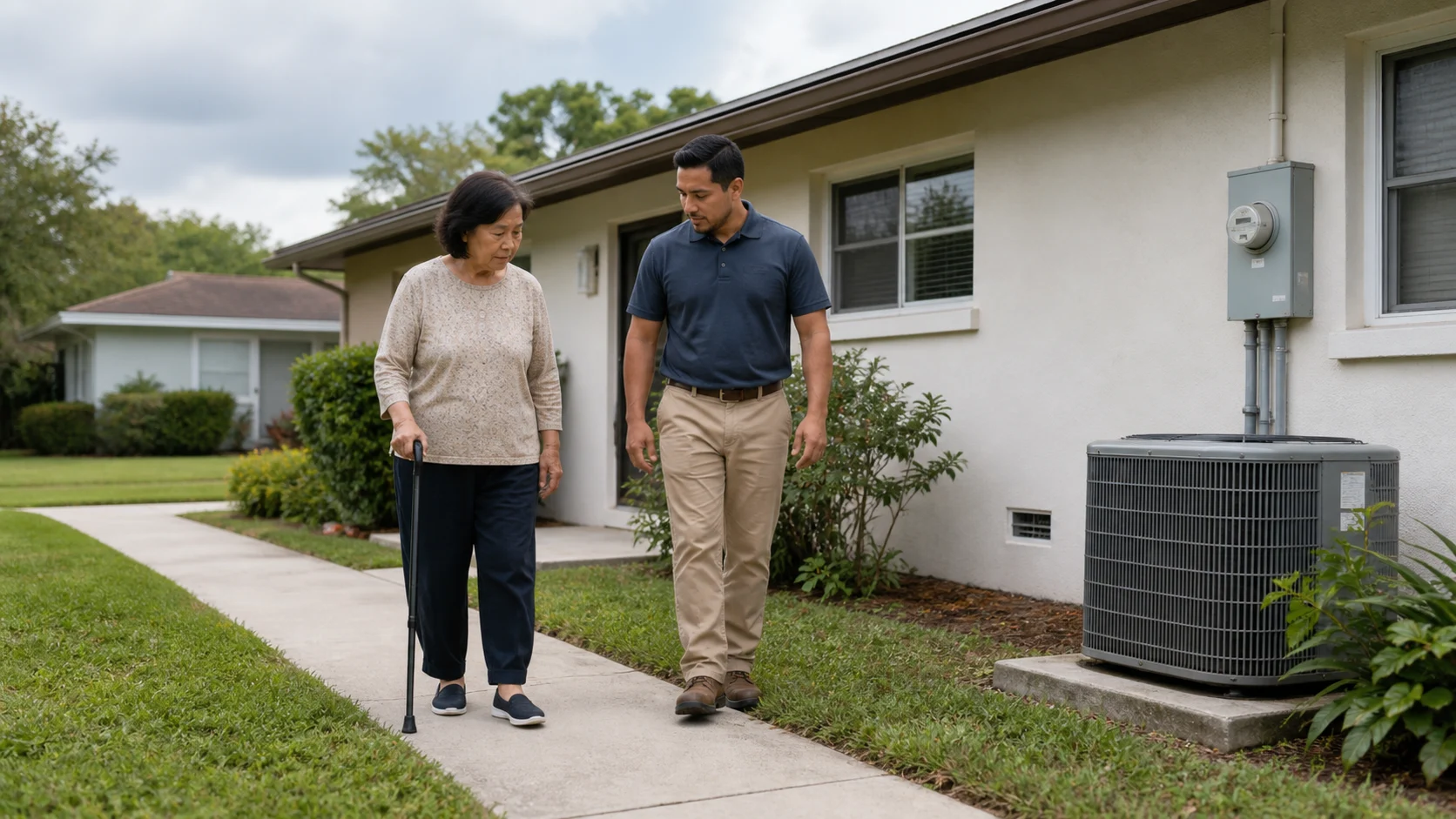
Carrier Eligibility Guide Guide hub
Which roof age, year built, plumbing, and claims-history factors carriers commonly screen for.
Inspections & Home Improvements Guide
What needs to be inspected or documented? Four-point inspections, wind mitigation, roof inspections, and roof-replacement preparation.
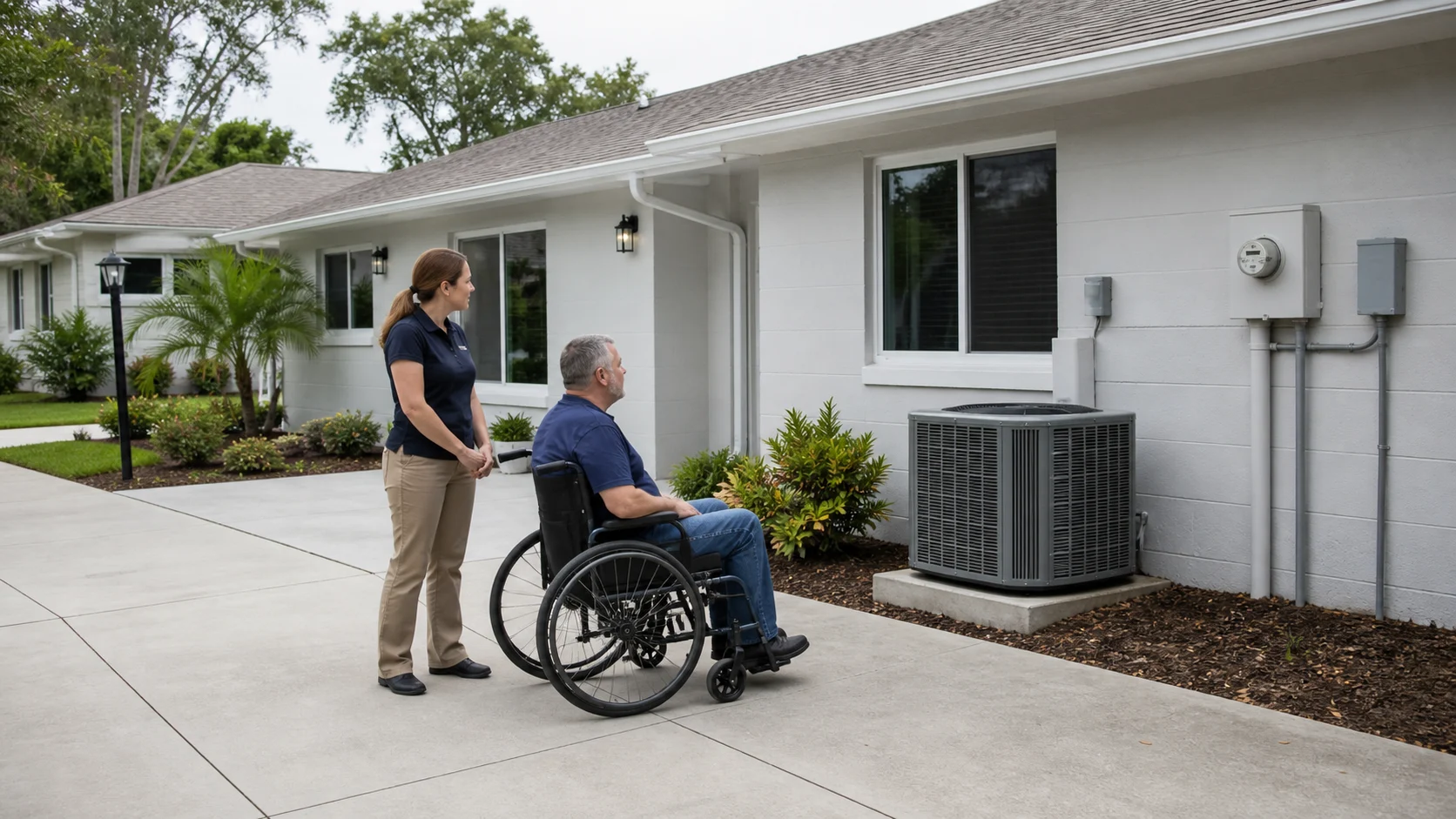
Homeowner Inspections Guide Guide hub
Four-point, wind-mitigation, and roof inspections: what’s checked and when.
Buying, Renewing & Switching Guide
Find help with buying a home, renewing a policy, or switching insurers.
Buying a home, preparing for a quote, comparing quotes, and knowing what to ask an agent all happen before a policy is in force. Renewing and switching (a nonrenewal notice, a servicer adding force-placed insurance, or moving a policy that’s paid through escrow) happen after. At both stages, check that the quotes cover the same things before you compare prices.
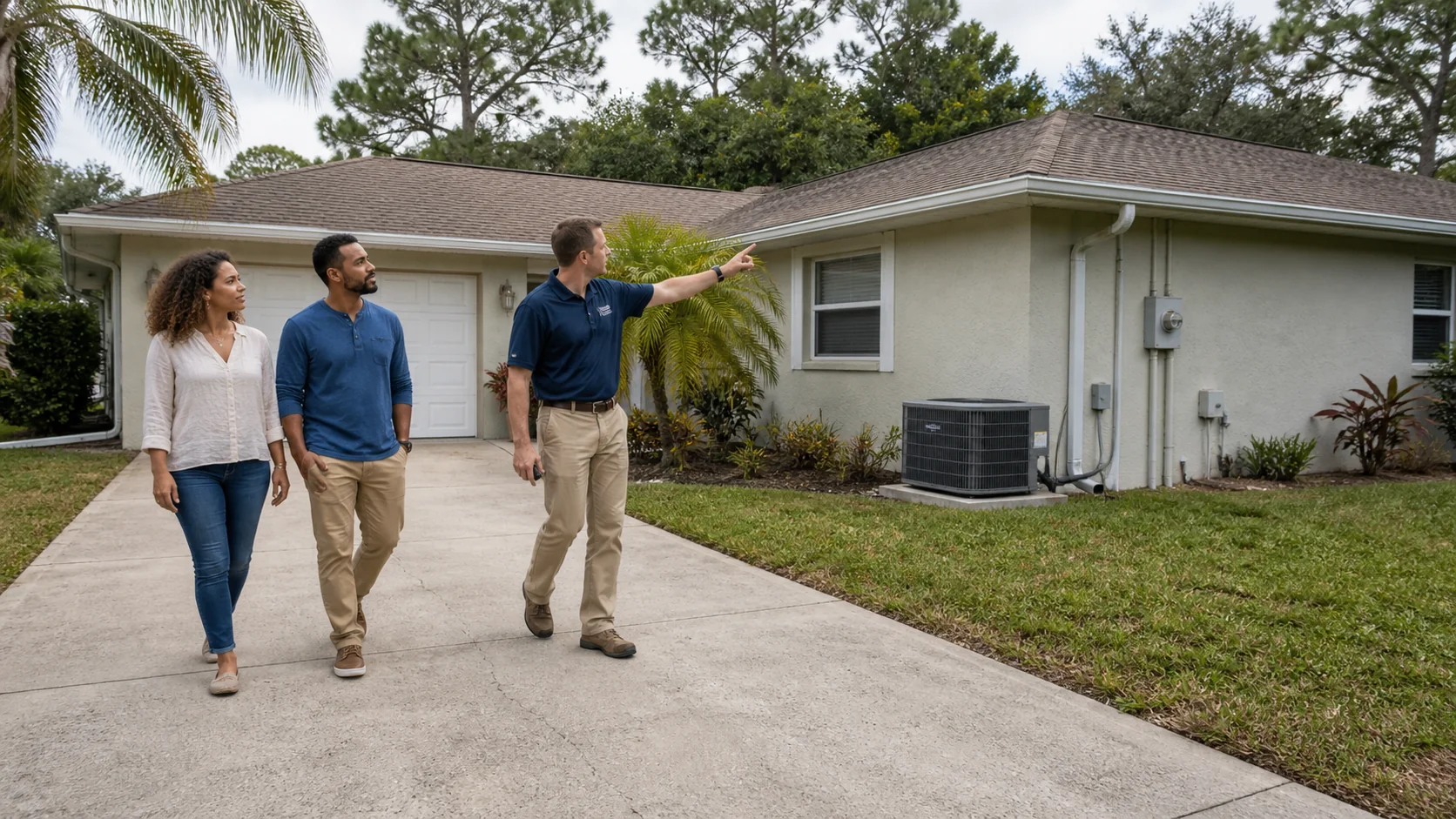
Florida Homeowners Insurance Guide Guide
Coverage, policy forms, and eligibility basics for Florida homeowners.
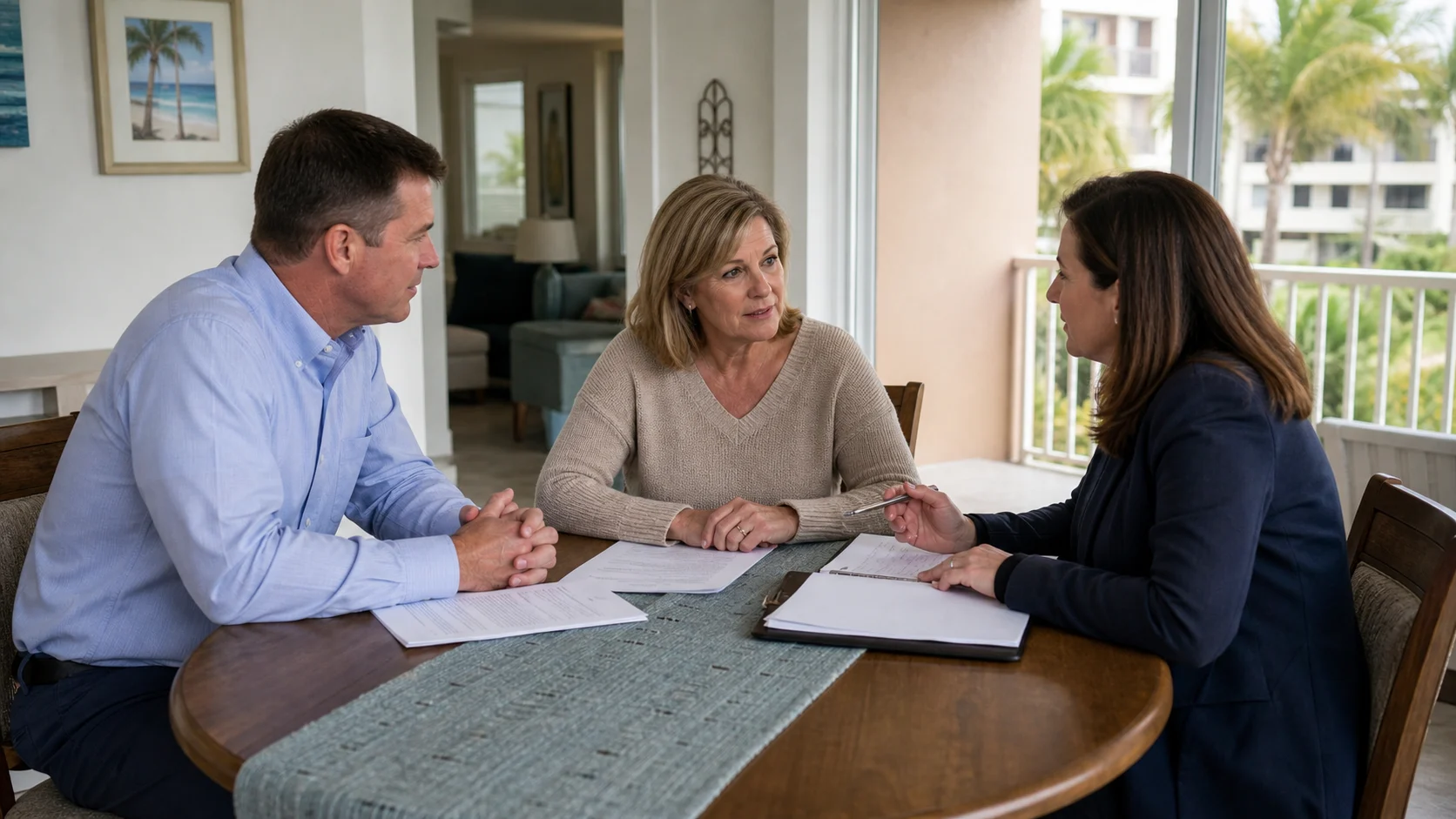
Agent vs. Broker Guide
Why your quote might only reflect part of the Florida market.
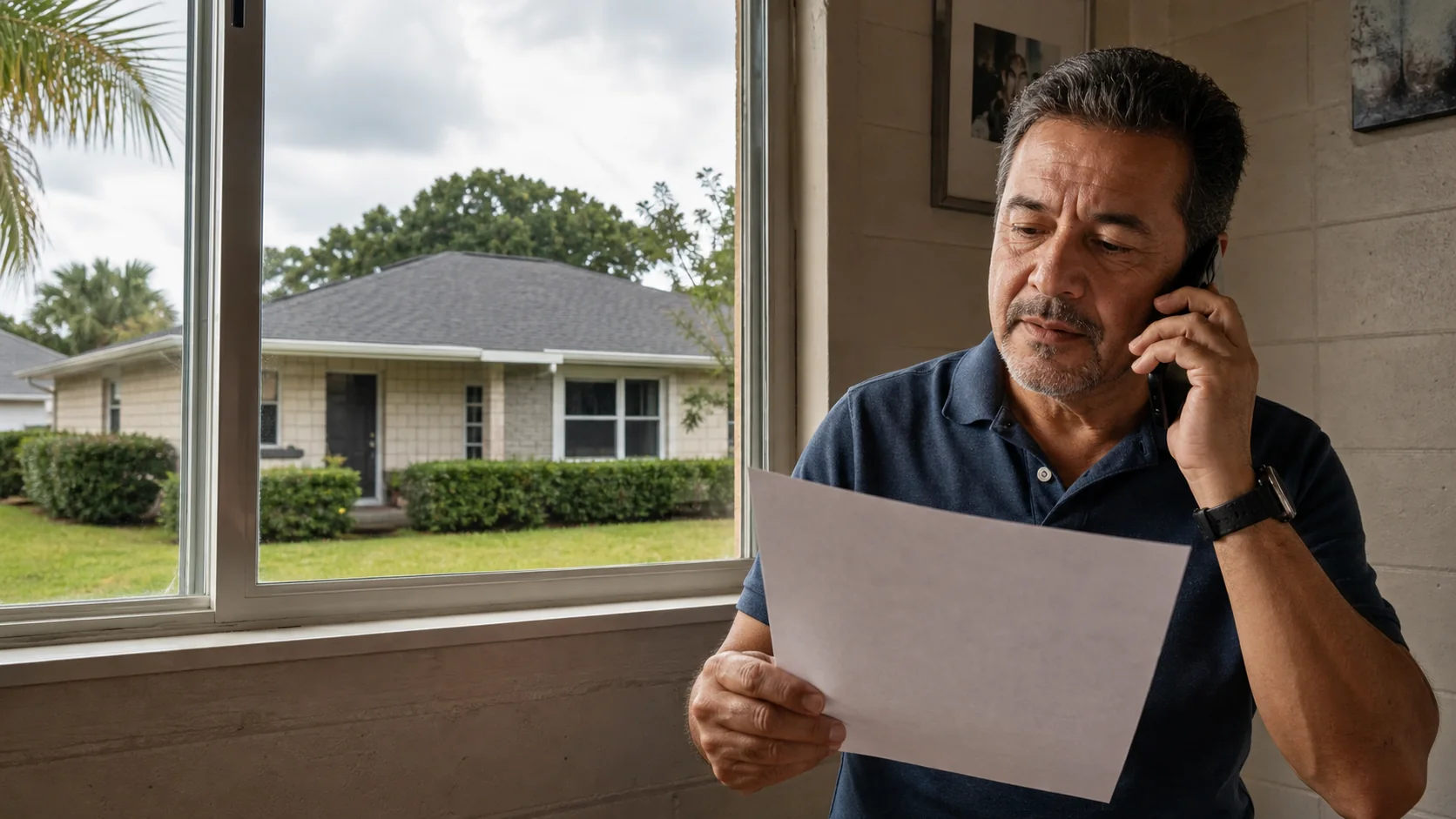
Florida Home Insurance Nonrenewal Guide
How to read the notice, fix property issues, and avoid a lapse.
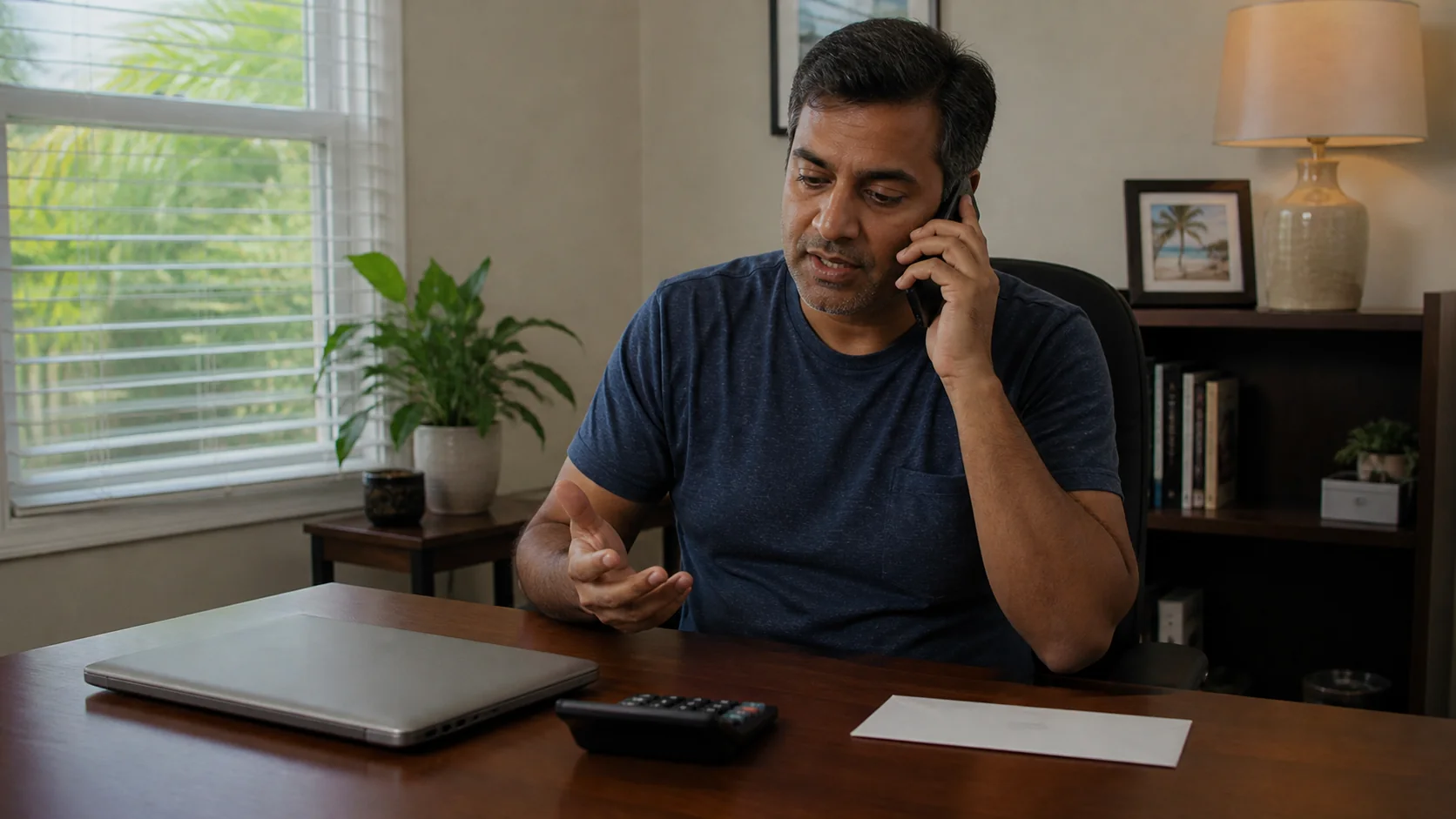
Force-Placed Insurance Guide
Why servicers add it, what it may cover, and how to replace it.
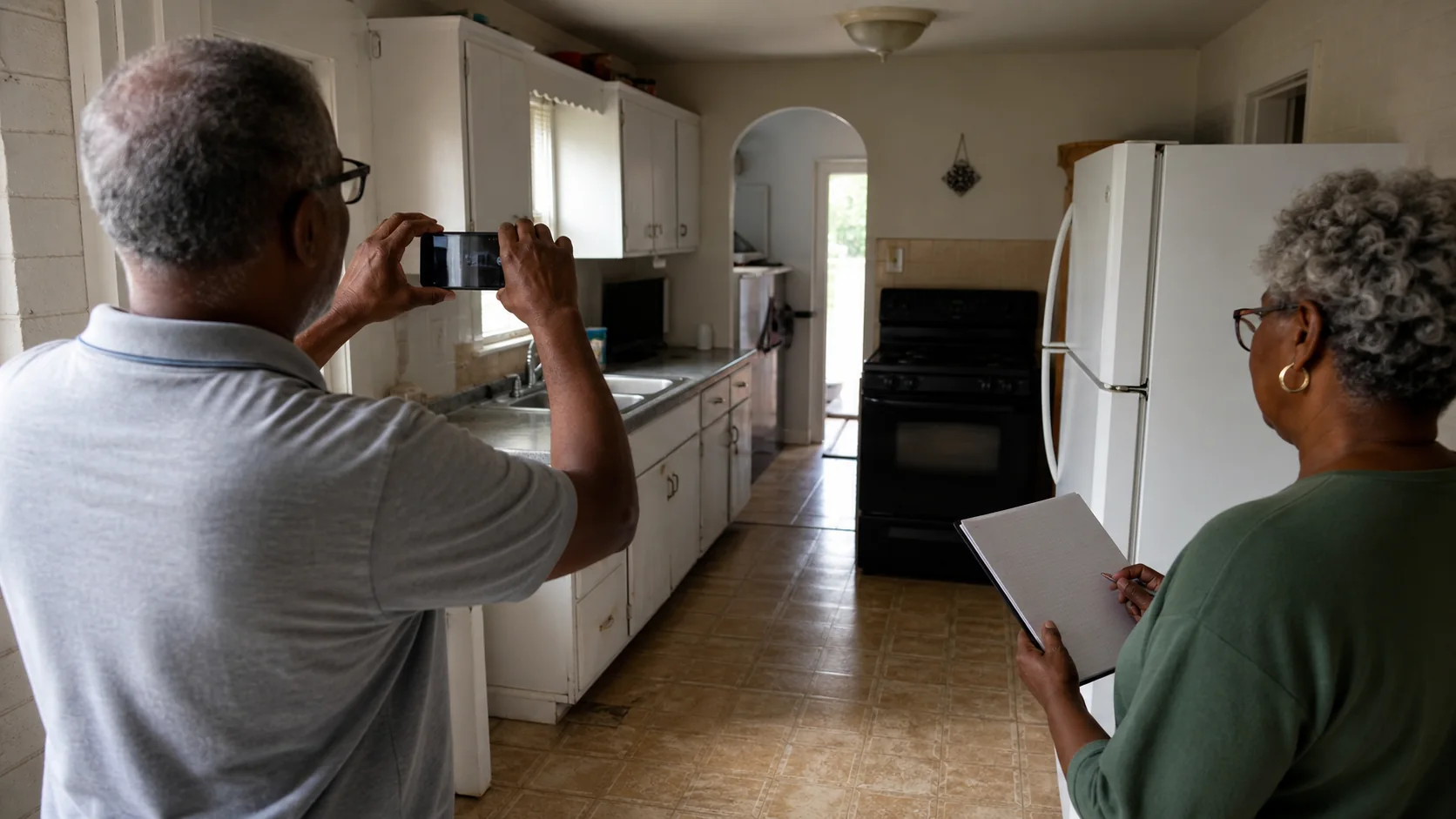
Switching Before Your Renewal Date Guide
Change carriers mid-term without a gap, and get the unused premium back.

Changing Insurance With an Escrow Account Guide
How to switch carriers when your mortgage servicer pays through escrow.
Checklists for this stage:
Claims & Storm Preparation Guide
How do I prepare for damage or handle a loss? Hurricane preparation, filing a claim, and understanding the claims process.
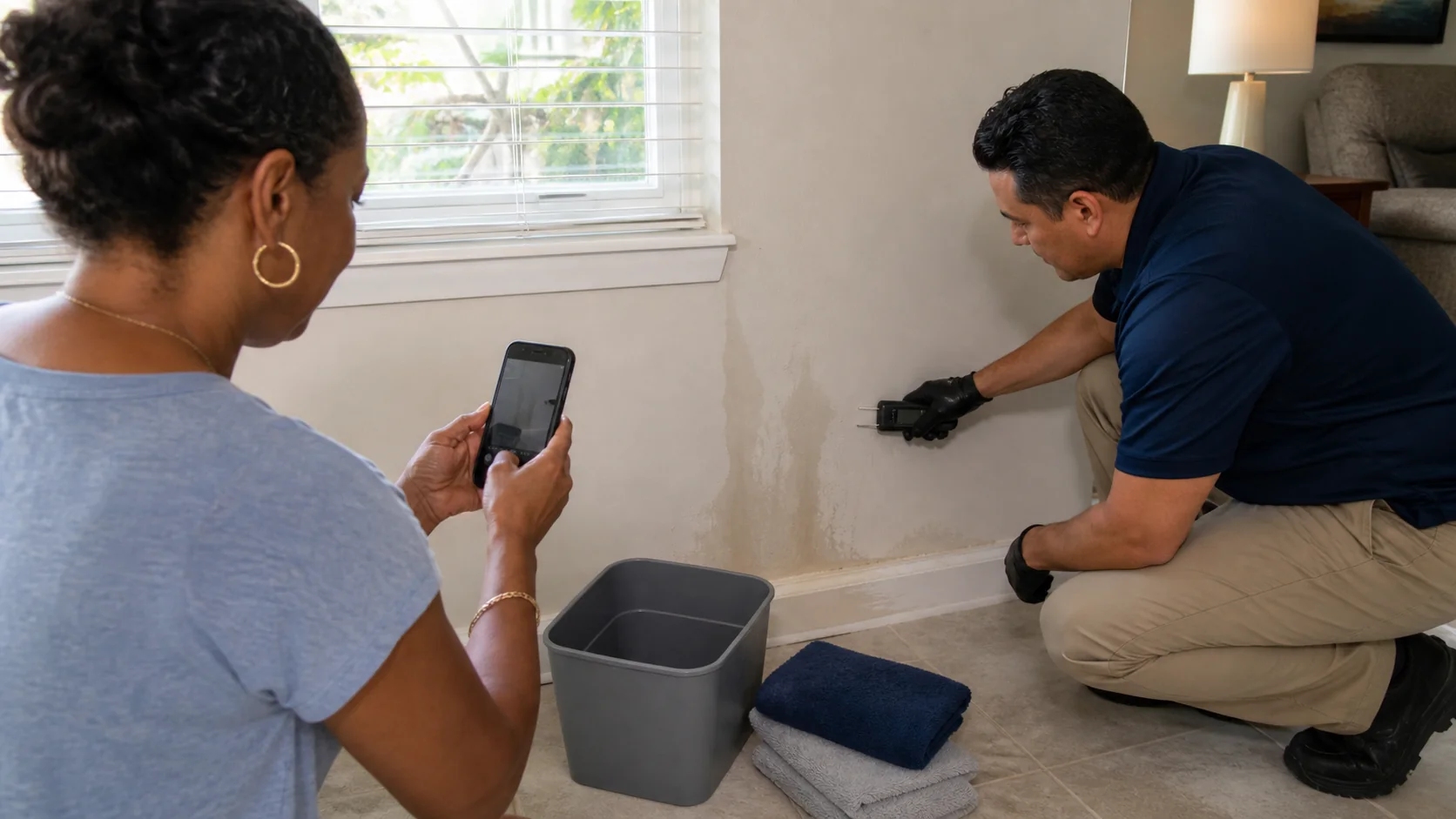
Claims Process Guide Guide hub
What to do after a loss, from first call to final decision.
Homeowner Checklists Collection
Use these checklists to prepare for a quote, review your policy, or organize your next step.
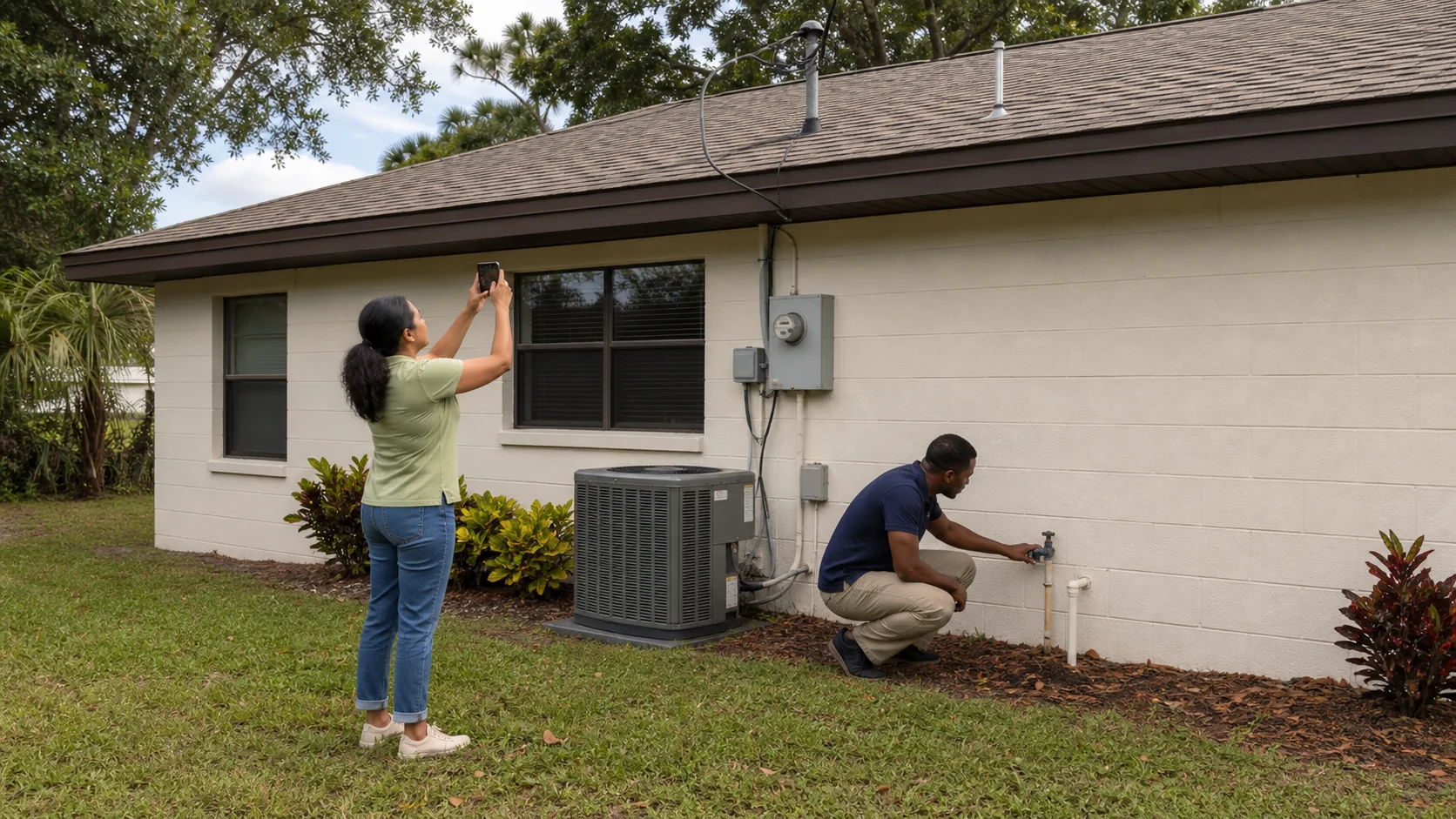
Free Homeowner Checklists Collection
Stage-by-stage checklists from your first agent call through filing a claim.
Also From Costs & Citizens
Find cost information and help understanding Citizens.
Where to go next
Understanding Your Coverage
Coverage A through F, deductibles, replacement cost vs. ACV, endorsements and exclusions.
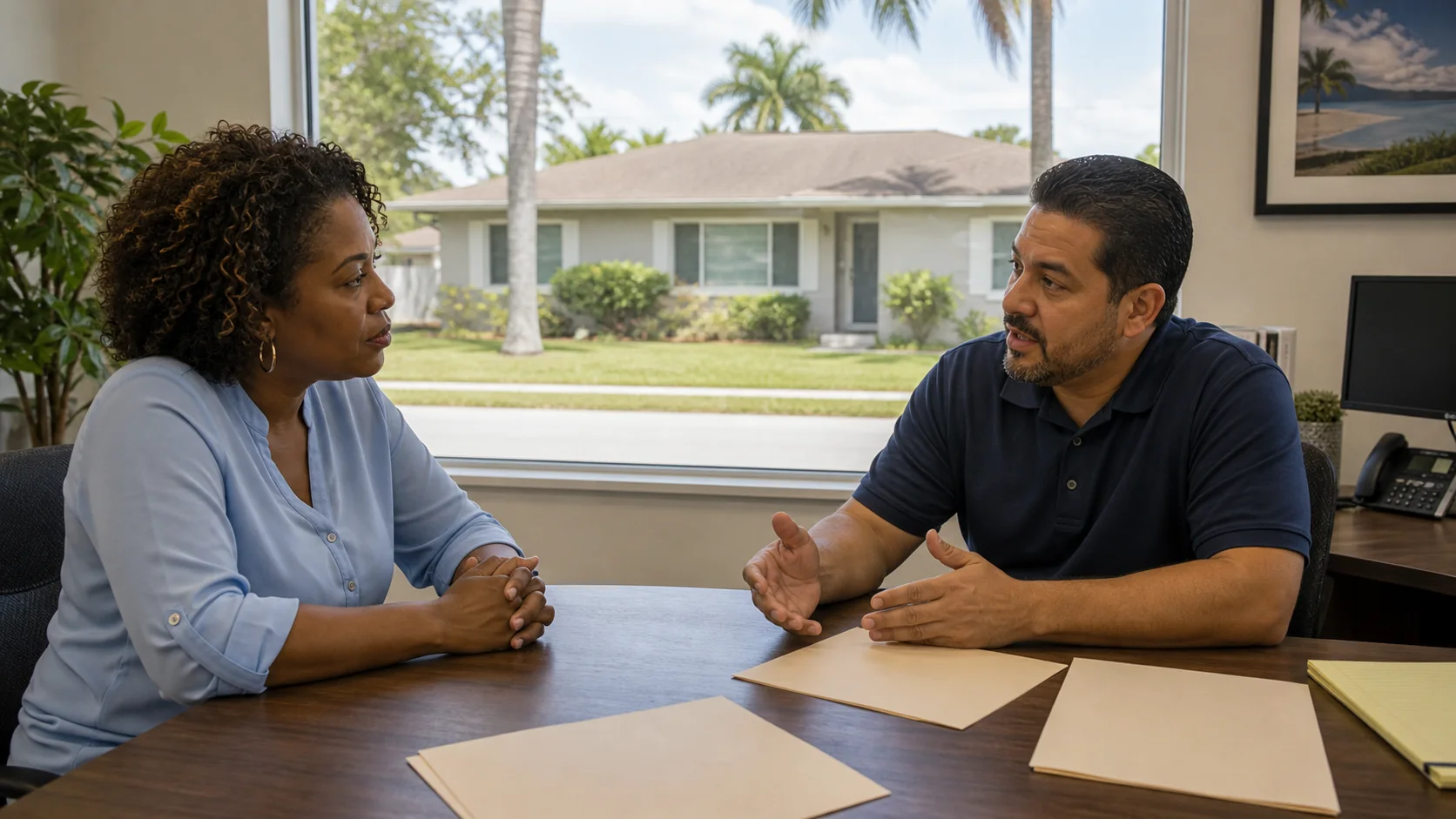
Citizens Property Insurance
How Citizens works, eligibility, depopulation, takeout offers, and the 20% rule.
Agent vs. Broker
Why your quote might only reflect part of the Florida market.
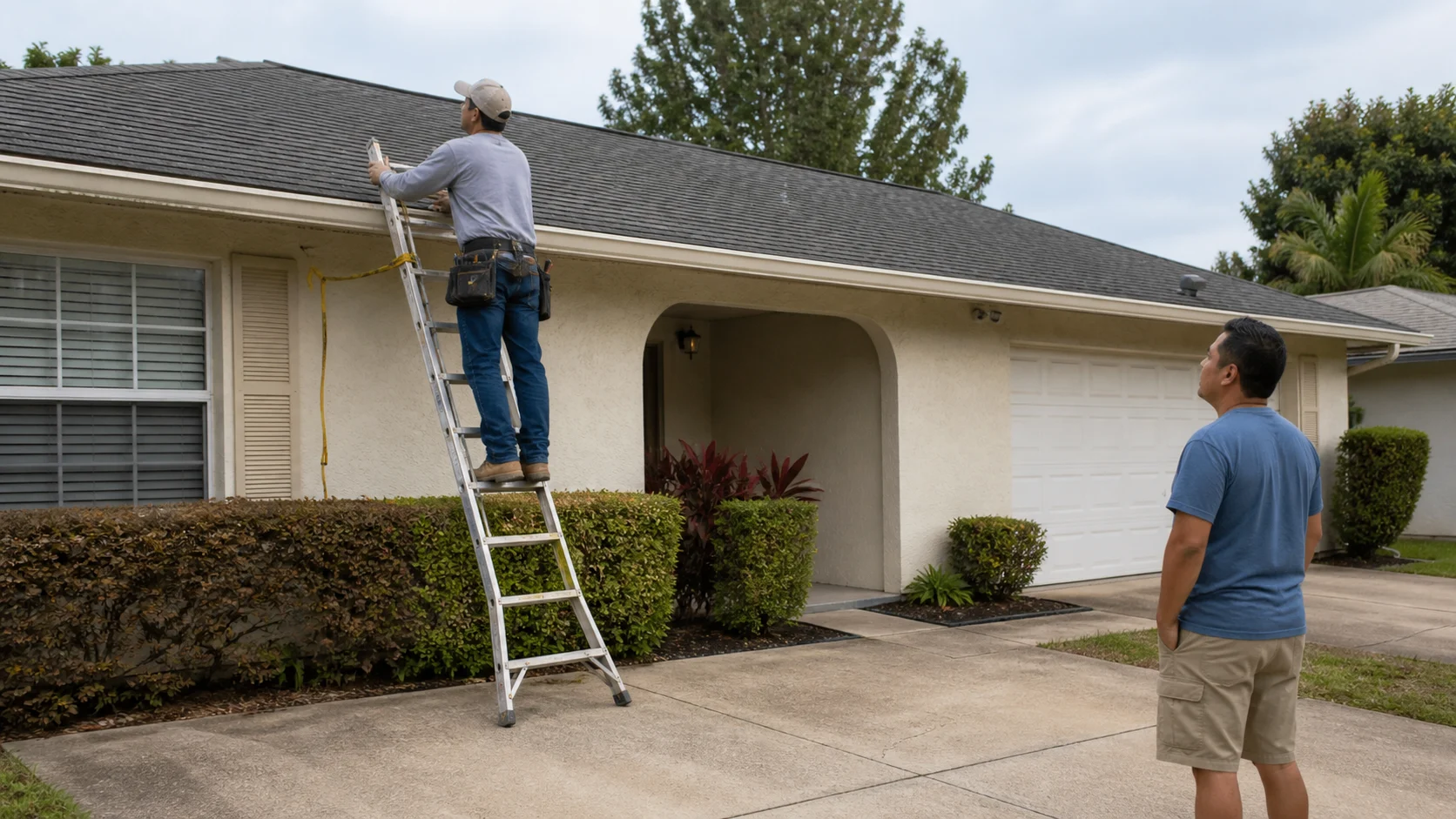
Roof Age & Eligibility
Which carriers publish the most permissive roof-age guidance.
Inspections Explained
4-point, wind mitigation, and roof certifications.

Escrow & Your Mortgage
How a premium change moves your monthly escrow payment.