Insurance for a high-value Florida home
A high-value home often needs a carrier and policy built for custom materials, higher rebuild costs, valuables, and added liability needs.
Quick answers
Sourced from Florida Statutes Chapter 626 Part VIII (surplus lines) and Florida DFS homeowners guidance. Last verified: August 2026.
At What Dwelling Limit Do Standard Florida Carriers Stop?
Most standard Florida homeowners carriers cap dwelling coverage at a maximum limit, and homes valued above that threshold typically need to move to a carrier that specializes in high-value homes.
The exact cap varies by carrier and is not standardized across the industry, so a home just above one carrier’s limit may still fit comfortably within another’s.
What Is the Difference Between Replacement Cost, Extended Replacement Cost and Agreed Value?
Replacement cost coverage pays to rebuild the home as it was, up to the policy limit; extended replacement cost adds a buffer (often a percentage) above that limit if rebuilding costs run higher than expected.
Agreed value coverage sets a pre-agreed payout amount at the start of the policy, removing the disagreement over value that can otherwise arise at claim time.
What Goes Into a Replacement-Cost Estimate, and Who Prepares It?
A replacement-cost estimate generally accounts for square footage, construction quality, custom finishes, and current local labor and material costs, not the home’s market or purchase price.
These estimates are often prepared by the carrier’s own appraisal tools or a qualified independent appraiser, particularly for homes with custom or high-end finishes that generic estimating tools may undervalue.
Which Admitted Carriers Write High Dwelling Limits in Florida, and When Does Surplus Lines Enter?
A handful of admitted Florida carriers offer higher dwelling limit programs, while surplus-lines (non-admitted) carriers step in for homes or risk profiles that admitted carriers won’t take.
Surplus-lines coverage generally isn’t backed by the same state guaranty fund protections as admitted coverage, which is worth understanding before choosing that route.
What Do High-Value Carriers Ask About That Standard Carriers Don’t?
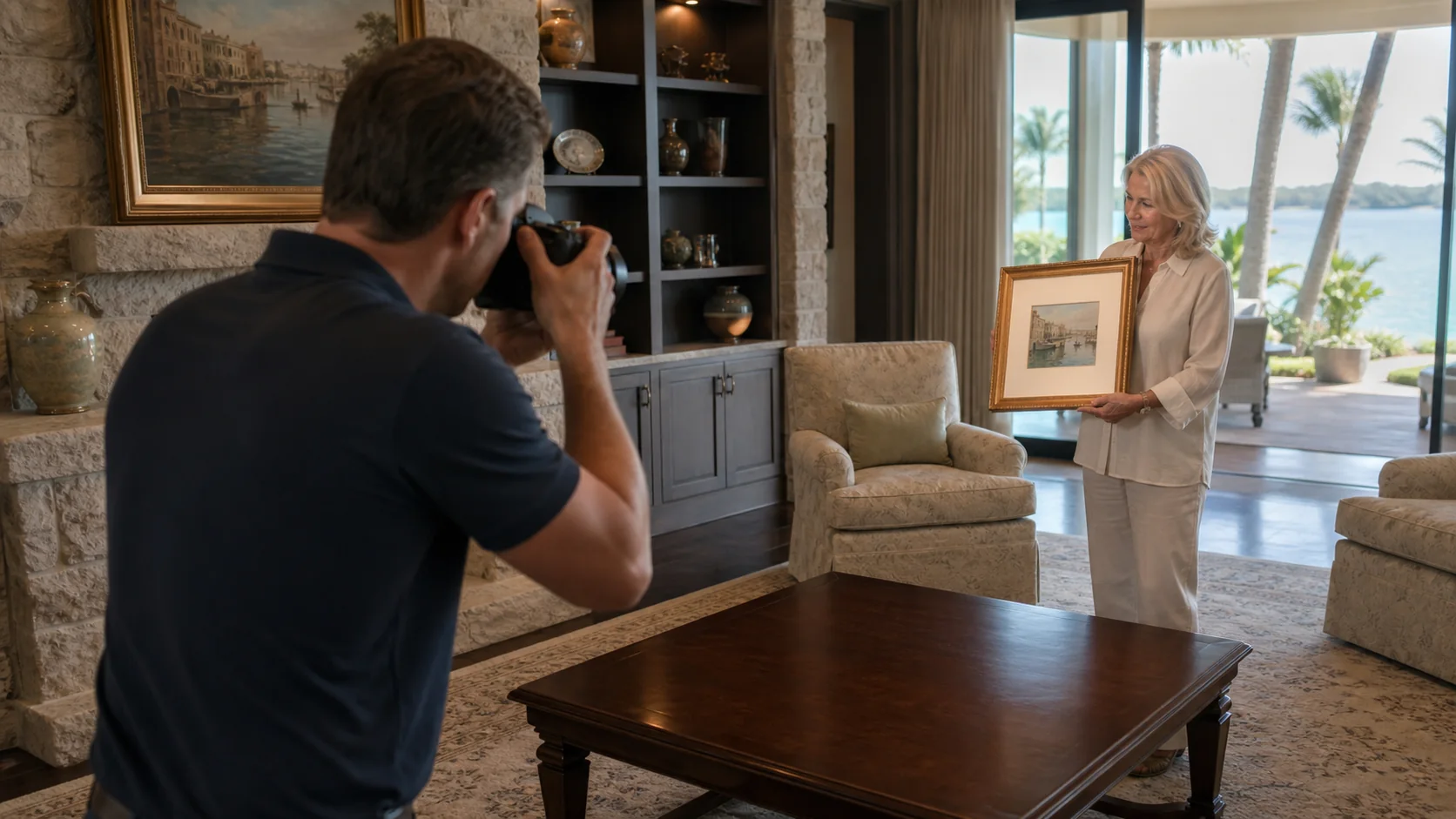
High-value underwriting often looks more closely at custom construction details, security systems, prior high-value claims history, and sometimes requires a dedicated on-site appraisal.
Documentation of renovations, custom finishes, and security features can meaningfully affect both eligibility and pricing at this level.
Frequently asked questions
What counts as a “high-value home” in Florida?
There’s no single statewide definition. It generally means a home whose replacement cost exceeds standard carriers’ maximum dwelling limits.
Is agreed value coverage better than replacement cost?
Neither is universally better: they solve different problems, and the right choice depends on the specific home and owner’s priorities.
Is surplus-lines coverage riskier than admitted coverage?
Surplus-lines carriers aren’t backed by the same state guaranty fund protections as admitted carriers, which is a meaningful difference to understand.
 Need a specific insurance company?
Get a quote from your Florida-licensed agent
Share a few details about your home, and our team will follow up to review your request and explain the next step.
- Florida-licensed agent
- Help with all property types
- No obligation
- Quotes typically back within 24 to 48 hours