Annual home insurance review checklist
Start 60 to 90 days before renewal when you can. This leaves time to correct records, order an inspection, or compare options.
Quick answers
What changed about the home this year?
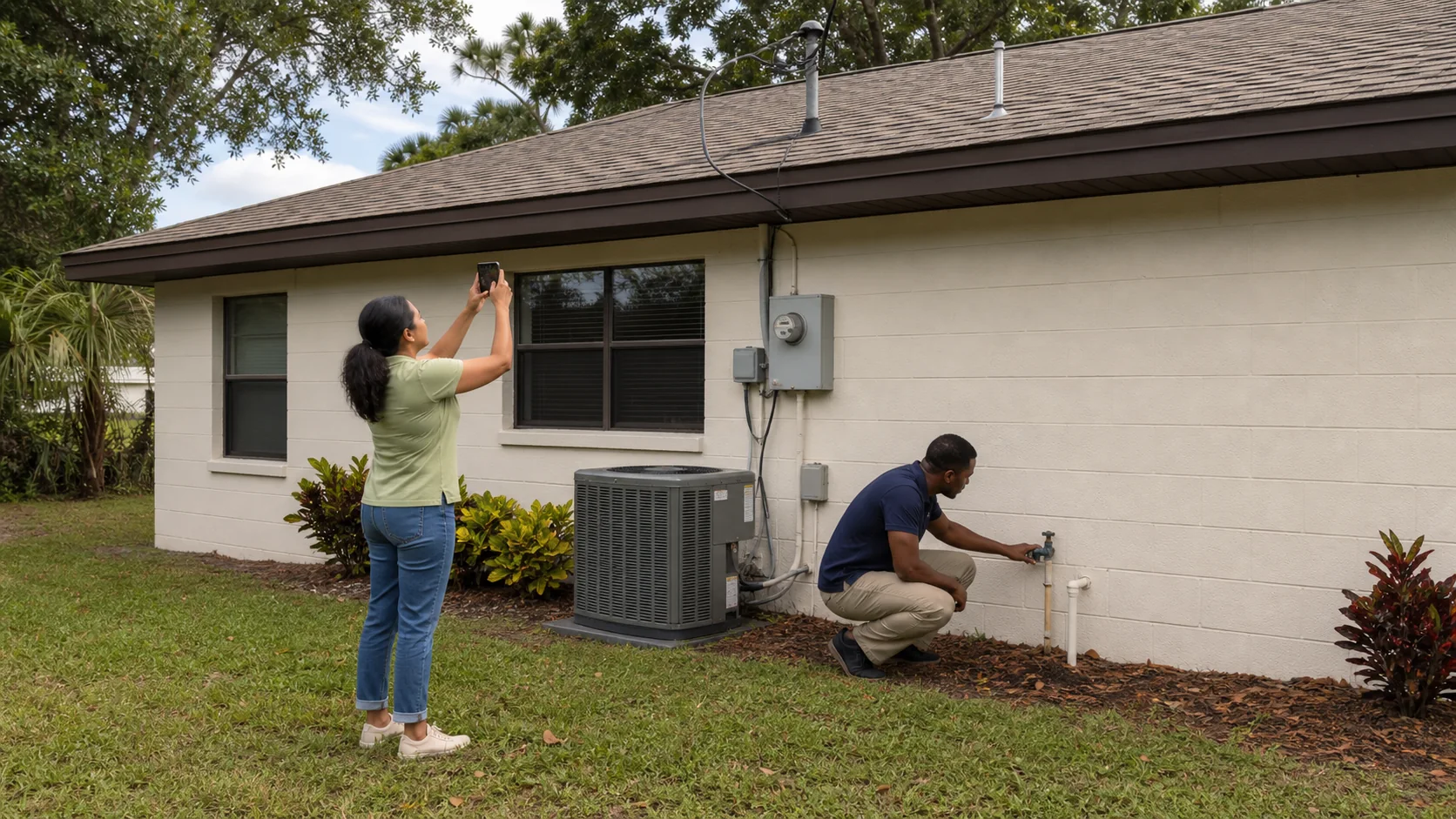
Start with the house itself. Any addition, finished attic or garage, new pool or screened enclosure, detached structure, or major system replacement (roof, HVAC, water heater, electrical panel) should be reported to the carrier, whether or not it was reported at the time. Undisclosed changes can complicate a future claim if the insurer finds the policy no longer reflects the actual structure, and some changes (a pool with a barrier, a new roof, impact-rated windows) can also affect the premium or open up credits that were not available at the last renewal. This is also the moment to reconsider contents coverage if the household has acquired higher-value items like jewelry, art, or electronics that may exceed the policy’s standard sublimits.
Has your dwelling limit kept up with what it would cost to rebuild?
Coverage A, the dwelling limit, should track the cost to rebuild the home at current labor and materials prices, not its market value and not what a buyer would pay for the lot and structure together. Rebuild costs in Florida have moved with material prices, labor availability, and updated building codes, so a limit set a few years ago can fall behind even if nothing about the house changed. A construction-cost estimator, an appraisal, or the insurer’s own replacement-cost estimate (many carriers run one automatically at renewal) are the standard ways to check this. A dwelling limit that is too low can mean a coinsurance penalty or an out-of-pocket gap after a total loss, so this is one of the more consequential checks on the list even though it takes real effort to do properly.
Did anything change that could affect the premium: a new roof, new wiring, new openings?
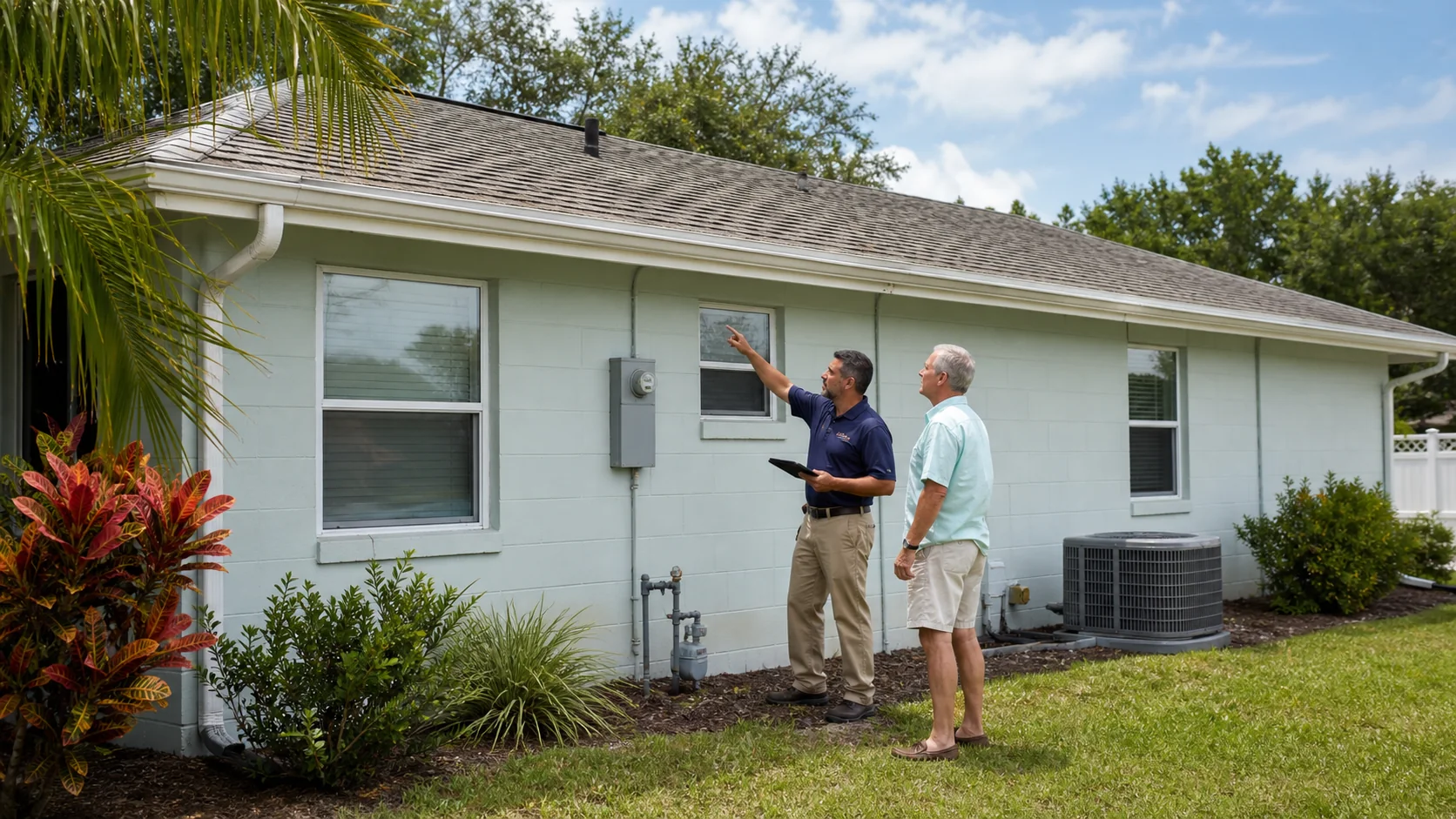
Several categories of home characteristics feed directly into pricing and eligibility. Roof age and roof shape matter a great deal in Florida underwriting; a roof replaced since the last renewal should be reported, since it can lower the premium and may change which carriers are even willing to write the home. Older electrical panels (particularly certain brands considered higher-risk by underwriters), outdated plumbing materials, and the presence or absence of wind mitigation features (impact-rated windows, storm shutters, a secondary water resistance layer, roof-to-wall connections) all factor in as well. A wind mitigation inspection is generally valid for up to five years and can earn premium credits, so if the home hasn’t had one, or the existing one is getting old, renewal time is a reasonable point to revisit it.

Has your claims or non-renewal history changed what carriers will consider?
Homeowners insurers weigh claims history heavily, both for the current carrier’s renewal decision and for how the home would be viewed if it ever needed to shop the market. Water damage and roof claims in particular tend to draw scrutiny, and multiple claims within a few years, even relatively small ones, can affect renewal terms or eligibility with other carriers. If a claim was filed since the last renewal, it’s worth checking how it shows up on the home’s loss history (typically through a CLUE report) and being prepared to explain the circumstances if asked. A prior non-renewal from another carrier, even for reasons unrelated to claims, is also something future insurers will ask about and factor into eligibility.
What does the renewal notice say, and by when do you have to act?
Florida law sets minimum advance-notice periods for residential property insurers. Under Florida Statutes §627.4133, an insurer must give the first-named insured at least 45 days’ advance written notice of a renewal premium, and at least 120 days’ written notice of nonrenewal, cancellation, or termination (a shorter 10-day notice applies only to cancellation for nonpayment of premium). In practice this means a renewal notice showing a new premium, and any nonrenewal notice, should arrive well before the policy’s expiration date. Read it as soon as it arrives rather than close to the deadline, since shopping alternatives or appealing a nonrenewal takes time. The notice should also spell out any changes to coverages, limits, or deductibles, so it’s worth comparing it line by line against the expiring policy instead of checking only the total premium.
If you got a non-renewal or a Citizens takeout offer, what are you choosing between?
A non-renewal notice, or an offer to move the policy into Citizens Property Insurance Corporation, or a private-market takeout offer pulling a Citizens policy back into the private market, each puts the homeowner at a decision point rather than an automatic outcome. Broadly, the choices are: accept a takeout offer from a private carrier (often reviewed separately on this site’s Citizens takeout and depopulation coverage), shop the private market independently for a new policy, or in the case of a Citizens takeout offer, decline it and remain with Citizens if eligible to do so. Each path has different implications for price, coverage terms, and future eligibility, and the right choice depends on the specific offer, the home’s risk profile, and how much time is left before the current policy lapses, which is one more reason to start this process as soon as a notice arrives rather than waiting.
Frequently asked questions
How far in advance will I know about a premium increase?
Florida law requires at least 45 days’ advance written notice of a renewal premium for residential property insurance, under Florida Statutes §627.4133.
How much notice is required for a non-renewal?
At least 120 days before the effective date, under the same statute, except cancellation for nonpayment of premium, which requires only 10 days’ notice.
Should I update my dwelling limit every year even if I haven’t renovated?
Yes, it’s worth checking. Rebuilding costs can rise from material prices, labor, and code changes even when nothing about the home itself has changed, so a limit that was accurate two or three renewals ago can be outdated now.
Does a wind mitigation inspection expire?
Yes. The OIR-B1-1802 form is generally valid for up to five years from the inspection date, and the credits stop applying sooner if the features it documents (like roof condition) have changed.
What happens if I ignore a non-renewal notice?
The policy will lapse on the date stated in the notice, leaving the home uninsured. Because the notice period is 120 days, there is normally enough time to shop the market, evaluate a Citizens option, or appeal the decision if there are grounds to do so, but that only works if the notice is acted on promptly.
Can my carrier change my deductible at renewal without a separate notice?
Deductible and coverage changes are generally required to be disclosed as part of the renewal notice itself, which is why it’s worth reading the full notice rather than only checking the premium total.
 Need a specific insurance company?
Get a quote from your Florida-licensed agent
Share a few details about your home, and our team will follow up to review your request and explain the next step.
- Florida-licensed agent
- Help with all property types
- No obligation
- Quotes typically back within 24 to 48 hours