Which home inspection does an insurer need?
The name of the inspection matters. A homebuyer inspection, four-point report, wind report, roof report, and carrier inspection answer different questions.
Quick answers
Sourced from Florida DFS homeowners guidance and standard four-point and wind-mitigation inspection practices. Last verified: August 2026.
Which Insurance Inspection Does Your Home Need?
Florida homeowners insurance can involve several different inspections depending on the home’s age, roof, and the carrier writing the policy, most commonly a four-point inspection, a wind-mitigation inspection, or a roof inspection or certification.
Which ones apply to a given property depends on the carrier’s own underwriting rules, so it is worth confirming directly with the agent or carrier before scheduling anything. Older homes and homes closer to the coast are more likely to trigger multiple inspection types at once, since age-related systems and storm exposure are both underwriting concerns for the same property.
Some inspections are effectively required to get a policy bound at all; others, like a wind-mitigation inspection, are optional but can meaningfully lower the premium. It’s often worth getting a wind-mitigation inspection done even when a carrier doesn’t require it, since the resulting credits can offset the cost of the inspection itself within the first policy term.
What Does a Four-Point Inspection Review?
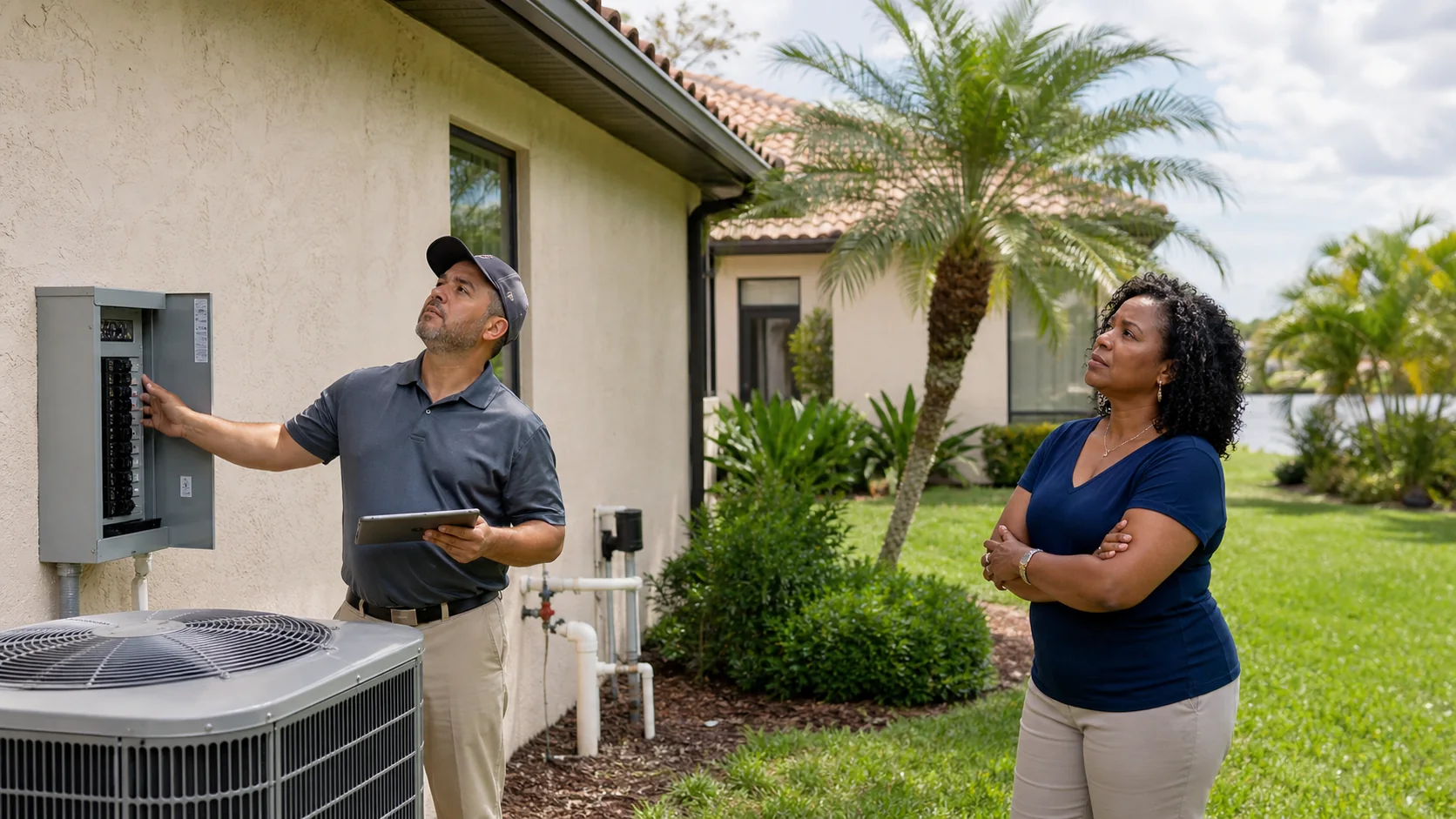
A four-point inspection generally documents the condition and approximate age of four major systems: roofing, electrical, plumbing, and HVAC.
The inspector records each system’s age and general condition and flags visible red flags (double-tapped breakers, exposed or frayed wiring, active leaks, corroded or failing pipes) without opening walls or performing invasive testing. It’s a visual, point-in-time assessment rather than a full home inspection.
Carriers commonly request one for older homes as part of deciding whether, and on what terms, to offer a policy, and most treat the report as valid for a set period rather than indefinitely. Confirm the specific window with the carrier or agent.
What Does a Wind-Mitigation Inspection Review?
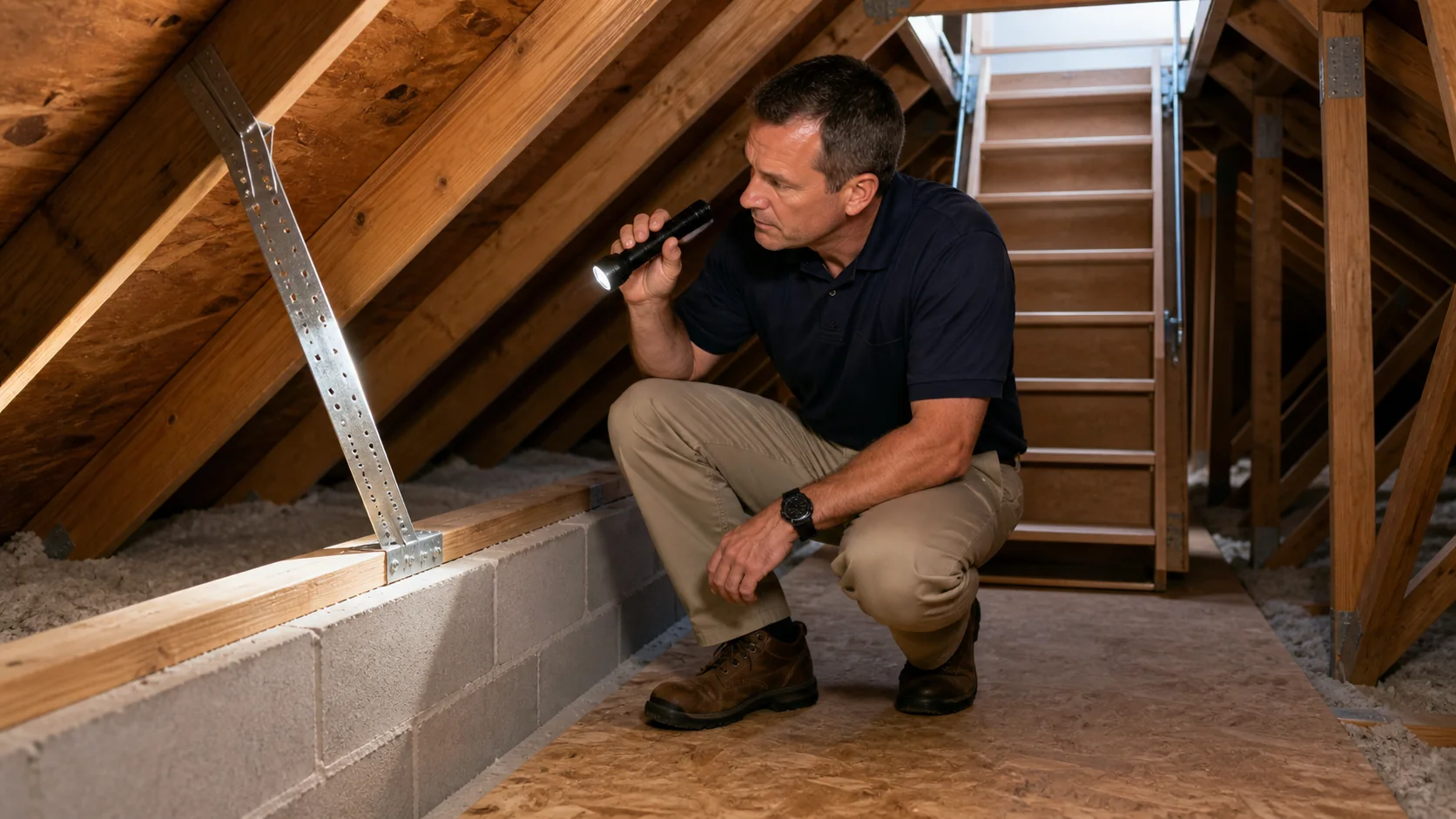
A wind-mitigation inspection documents features that reduce hurricane and windstorm damage (roof shape, roof-to-wall connections, opening protection, and similar construction details) using Florida’s standard OIR-B1-1802 form.
Specifically, it covers things like the roof covering type and installation date, how the roof deck is attached to the trusses, the type of roof-to-wall connection (toe nails versus clips versus wrap-around straps), roof shape (a hip roof generally scores better than a gable roof), whether secondary water resistance is present, and whether openings like windows and doors have impact-rated glazing or approved shutters.
The credit amount varies significantly by carrier and by exactly which features are present, so it’s worth getting the inspection redone after any roof replacement, window or door replacement, since upgraded features can increase the credit substantially compared to an outdated inspection on file.
When Is a Roof Inspection or Certification Required?
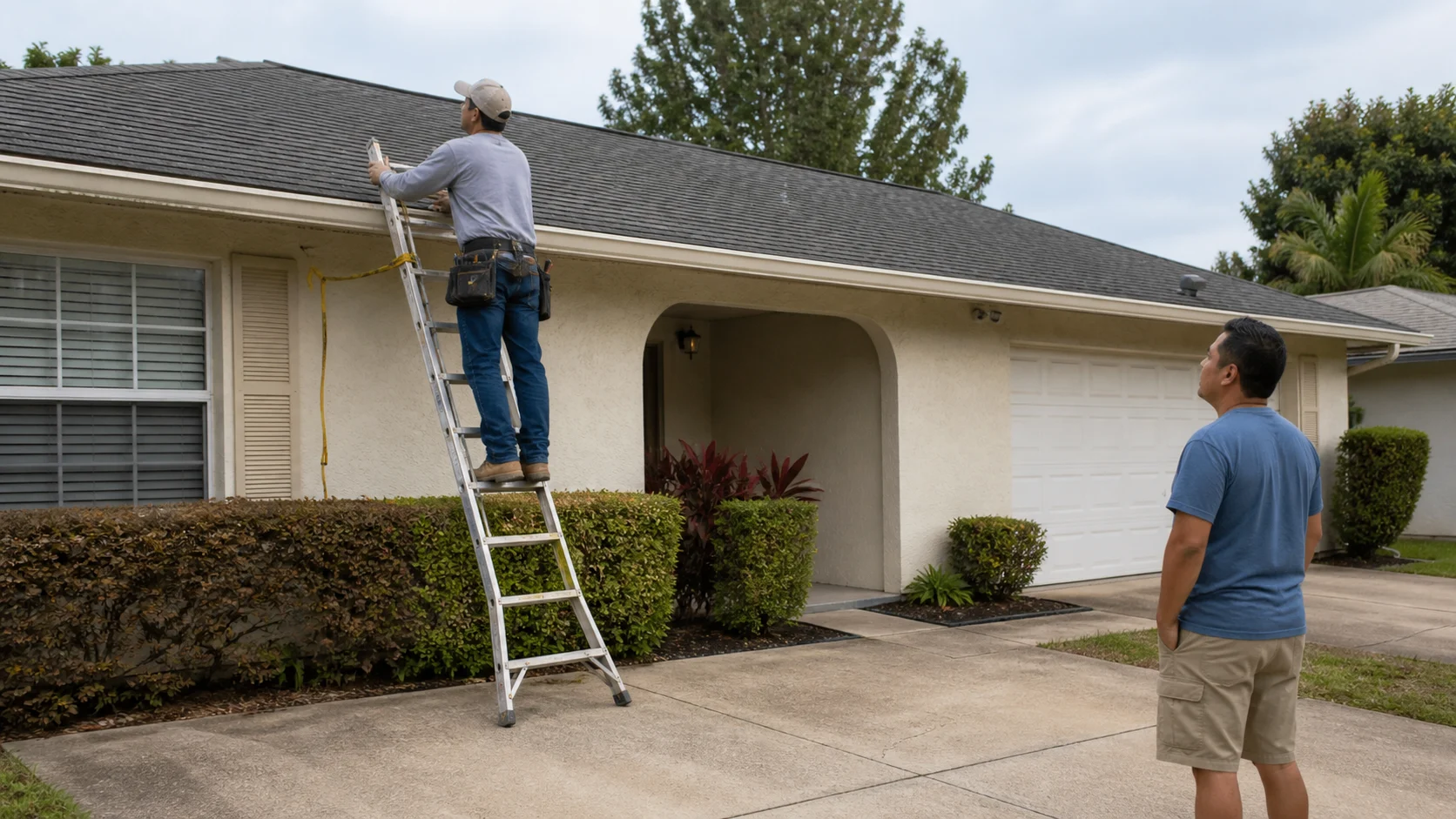
Some carriers require a roof inspection or certification once a roof reaches a certain age, to confirm its remaining useful life before extending or renewing coverage.
This is a different document from a wind-mitigation inspection, even though homeowners sometimes confuse the two: a roof certification is focused on how much useful life is left in the roof (often used to satisfy an age-based decline or to support an extension), while a wind-mitigation inspection documents construction features for a premium credit. The two can sometimes be performed in the same visit, but not every inspector who does one is qualified or licensed to do the other.
The specific age threshold and required documentation vary by carrier and are not standardized across the industry. See the roof age eligibility guide for what several carriers publish about their own age limits.
Can the Carrier Inspect the Home After the Policy Starts?
Yes. Many carriers reserve the right to inspect an insured property after the policy is already in force, not just at the time of application.
This can happen through a scheduled in-person visit, but increasingly carriers also use aerial or satellite imagery to review a property’s roof condition and other exterior features without ever sending an inspector, flagging homes that show visible deterioration, unpermitted-looking additions, or other risk indicators.
An inspection finding after binding can lead to a request for repairs within a set window, a change in terms, or in some cases non-renewal, depending on what is found and the carrier’s guidelines. Responding promptly to any post-bind inspection notice is usually the best way to keep the policy in force.
What Problems Commonly Delay or Stop Approval?
Common issues include an aging roof without documentation of its condition, outdated or recalled electrical panels (such as Federal Pacific or Zinsco brands), visible deferred maintenance, or missing permits for prior work.
Plumbing material can also be a factor: polybutylene, galvanized, or certain other older plumbing types draw extra scrutiny from some carriers regardless of the four-point inspection’s overall findings. Unpermitted additions or electrical work are treated similarly, since they can’t always be verified as meeting current code.
Addressing known issues before an inspection, where practical (pulling a permit for past work, replacing a flagged panel brand, fixing an active leak) can help avoid delays or an outright decline.
Can a Repair Letter Replace a New Inspection?
In some cases, a signed letter or invoice from a licensed contractor documenting a completed repair can satisfy a carrier’s concern without a full new inspection, but this depends entirely on the individual carrier’s policy and the type of issue involved.
A repair letter is more likely to be accepted for a single, well-documented item (a panel swap, a section of re-piping) than as a substitute for a full inspection covering multiple systems. Always confirm with the carrier or agent what documentation they will accept before assuming a repair letter is sufficient.
How Should You Choose an Inspector?
Look for a licensed inspector with experience specifically in the type of inspection needed (four-point, wind mitigation, or roof), since the forms and standards differ and not every general home inspector performs all three.
Ask whether the inspector is familiar with the specific carrier’s form requirements, since an incomplete or incorrectly filled-out form is one of the most common reasons a carrier rejects a report and requires a new one, costing time and money that a correctly completed form the first time would have avoided.
How Should You Prepare the Home?
Clear access to the attic, electrical panel, water heater, and HVAC equipment so the inspector can fully document each system. Remove any storage blocking an attic hatch or panel box, and unlock any gates or exterior doors the inspector will need.
Having permits, receipts, or records for any past roof, electrical, or plumbing work on hand can also speed up the process, and being present or reachable by phone during the visit helps answer questions about system ages if the paperwork isn’t immediately on hand.
What Should You Do When the Report Is Wrong?
Contact the inspector and the agent promptly if a report appears to contain factual errors, such as an incorrect roof age or system description.
A corrected report or supporting documentation (permits, contractor invoices, manufacturer information) can often resolve the discrepancy without a full re-inspection, especially when the error is a straightforward factual mistake rather than a disagreement about condition.
Frequently asked questions
How much does a four-point inspection cost in Florida?
Costs aren’t set by the state and vary by inspector, region, and home size. Most homeowners can expect a modest, one-time fee that’s typically well below what a single wind-mitigation premium credit can save over a policy term. Get quotes from a couple of licensed inspectors since pricing isn’t standardized.
How long is a wind-mitigation inspection valid?
Generally up to five years. Florida’s uniform wind mitigation form (OIR-B1-1802) is valid for up to five years from the inspection date, as long as no material changes are made to the home, such as a new roof or new windows. Confirm with the carrier if anything has changed.
Do I need a new inspection every time I renew my policy?
Not usually. A wind-mitigation inspection is generally valid for up to five years unless something relevant to it changes, but a four-point inspection or roof certification may need to be refreshed periodically, especially as the home or roof ages further past a carrier’s threshold. Check with the carrier or agent at renewal if there’s any doubt.