
Find insurance help for your type of home
The policy must match both the building and the way it is used. Start with the page that best fits the home.
Quick answers
Sourced from Florida DFS insurance guidance, Florida Statutes, and standard ISO/AAIS policy form definitions. Last verified: August 2026.
What makes the property type change which carriers will even look at a home?
Florida homeowners insurers underwrite by policy form matched to how a property is used and built, not by a single generic “home insurance” product. Construction type, roof age and type, and, most of all, whether the home is owner-occupied all factor into which form applies and which carriers will even quote it.
A single-family home the owner lives in is typically filed under an HO-3 form. A condo unit owner usually needs an HO-6 form instead, since the condo association’s master policy already covers the building and common areas. A home the owner rents out to tenants is usually written as a Dwelling Fire (DP-3) policy rather than a homeowners policy. Manufactured and mobile homes generally require a specialized HO-7 or mobile-home form, because the construction and foundation differ from a site-built house.
Because each carrier publishes its own underwriting guidelines for which forms and property types it will write, the same physical home can be eligible at one carrier and declined at another purely based on how it is classified, which is why this directory groups guidance by property type rather than treating “homeowners insurance” as one uniform product.
Single-family homes: what is an HO-3 form, and who files it in Florida?
HO-3, the “special form” policy, is the standard form for most owner-occupied single-family homes in Florida. It generally covers the dwelling itself on an open-perils basis (covered unless specifically excluded) while covering personal contents on a named-perils basis (covered only for the perils the policy lists).
HO-3 is the most common form in the state, and most carriers actively writing new business in Florida offer it. That said, being the right form doesn’t guarantee eligibility: wind mitigation features, roof age and roof type, prior claims history, and coastal location still affect which HO-3 carriers will quote a specific home and at what price. See the eligibility guides for the underwriting factors carriers have published.
Condo, manufactured, or rented out: how does the form change?
Moving away from a standard owner-occupied single-family home changes the paperwork as much as the underwriting:
Condos (HO-6): Covers the interior of the unit, personal property, and liability, “walls-in” coverage, since the condo association’s own policy covers the building structure and common areas. Rental properties (DP-3): A Dwelling Fire policy covers the structure for a non-owner-occupied home, but is structured differently than a homeowners policy since the named insured isn’t living there. Manufactured and mobile homes (HO-7): Accounts for factory-built construction and, often, a non-permanent foundation. Older and coastal homes: Usually still an HO-3, but come with more underwriting scrutiny: four-point and wind mitigation inspections are common conditions of coverage. High-value homes: May need a specialized high-value homeowners program rather than a standard HO-3, particularly for higher liability limits and scheduled personal property.
Jump straight to the property type that matches your home:
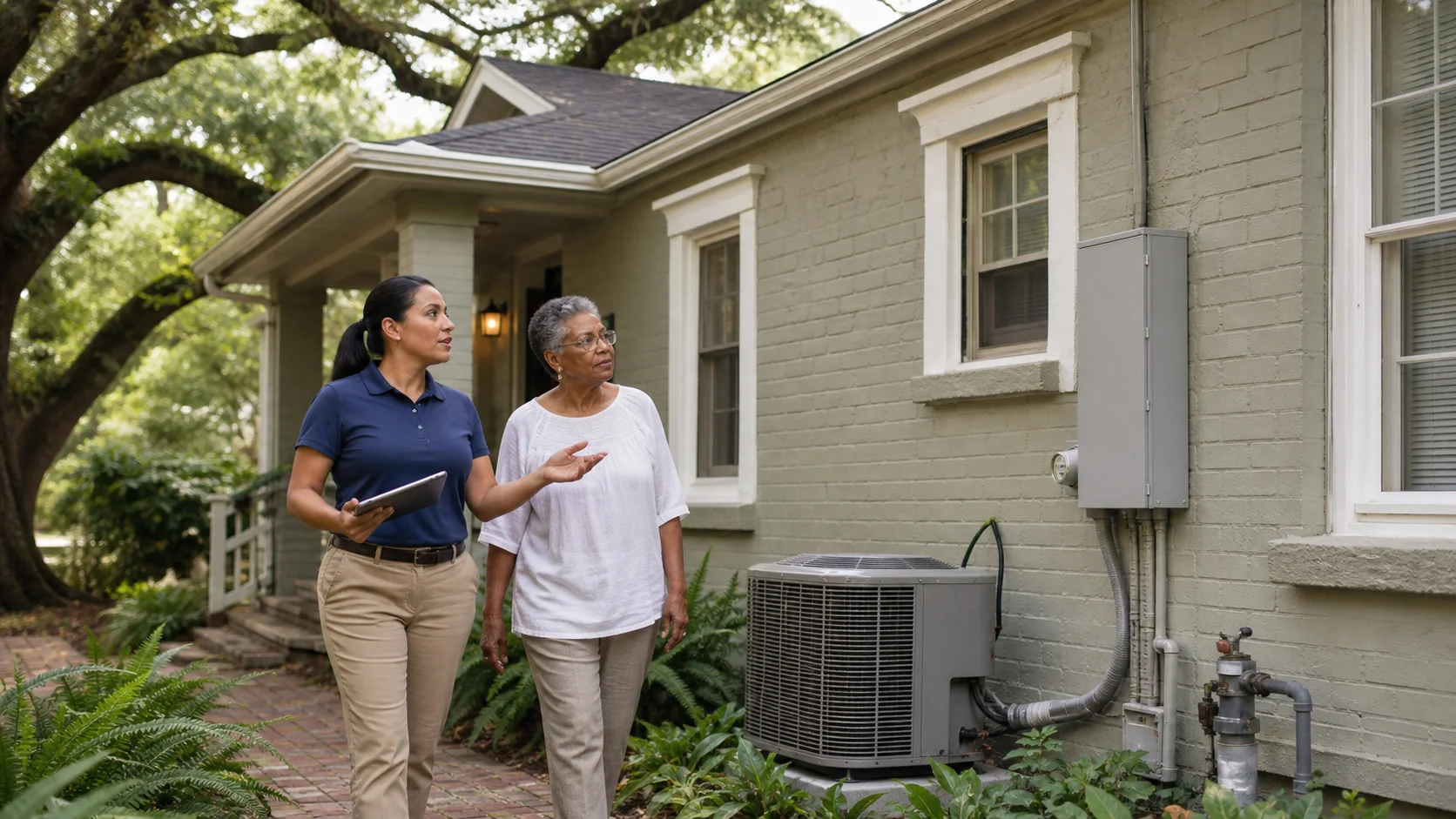
Older Homes
Roof age, plumbing, electrical panel, and system-update guidance.
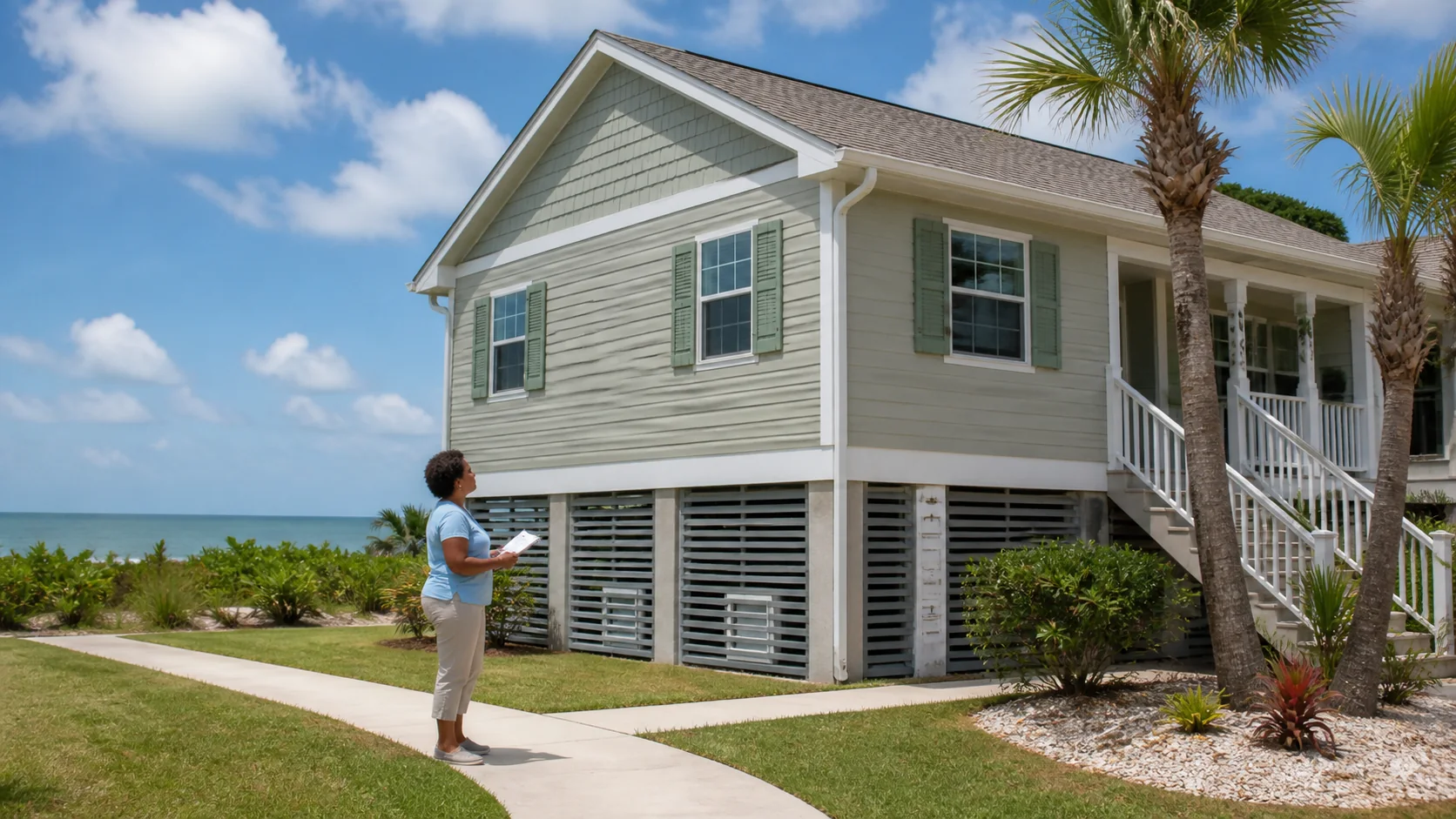
Coastal Homes
Distance-to-coast rules, wind mitigation, and flood vs. wind coverage.
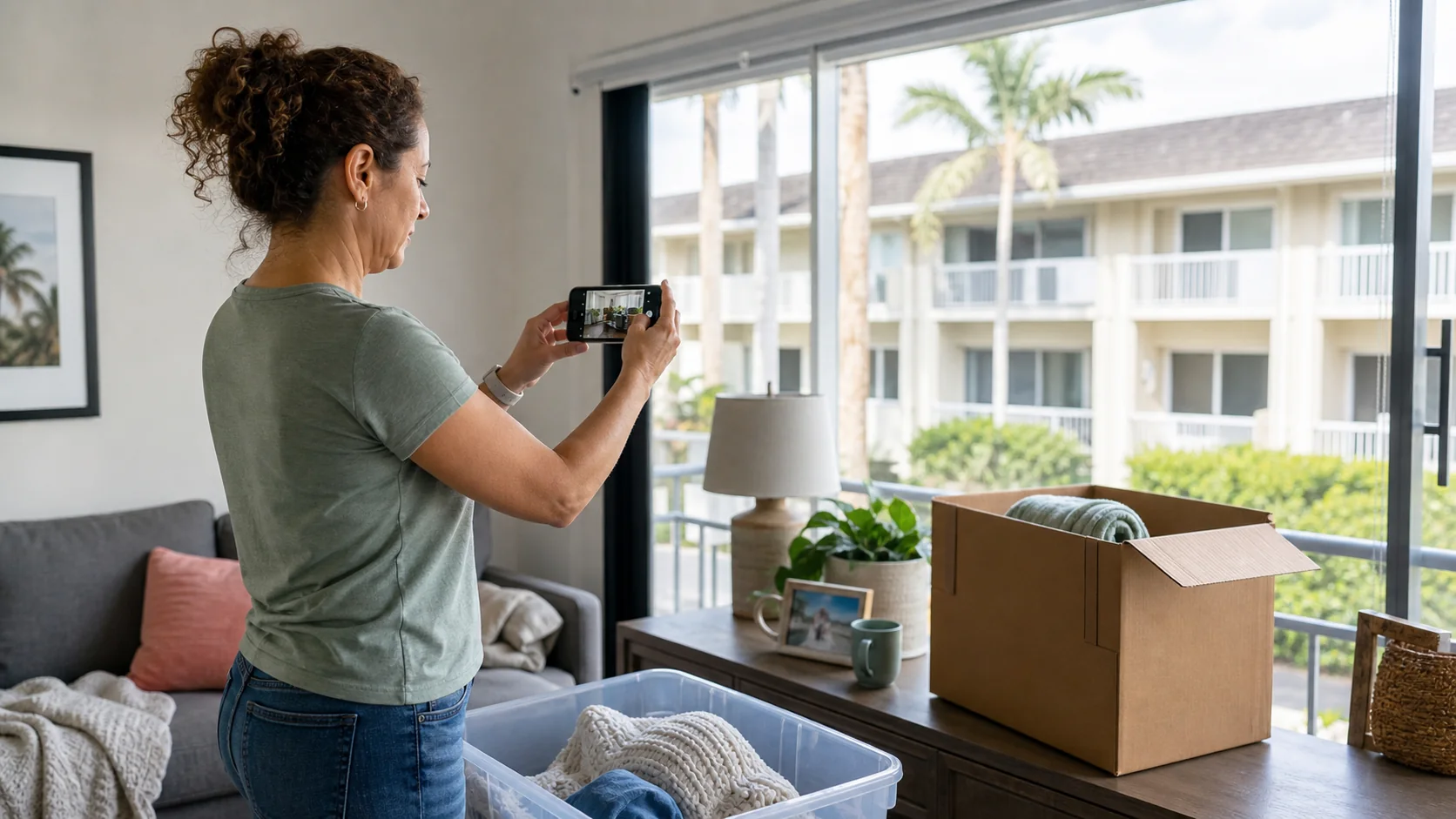
Condos (HO-6)
Which carriers write condo coverage.
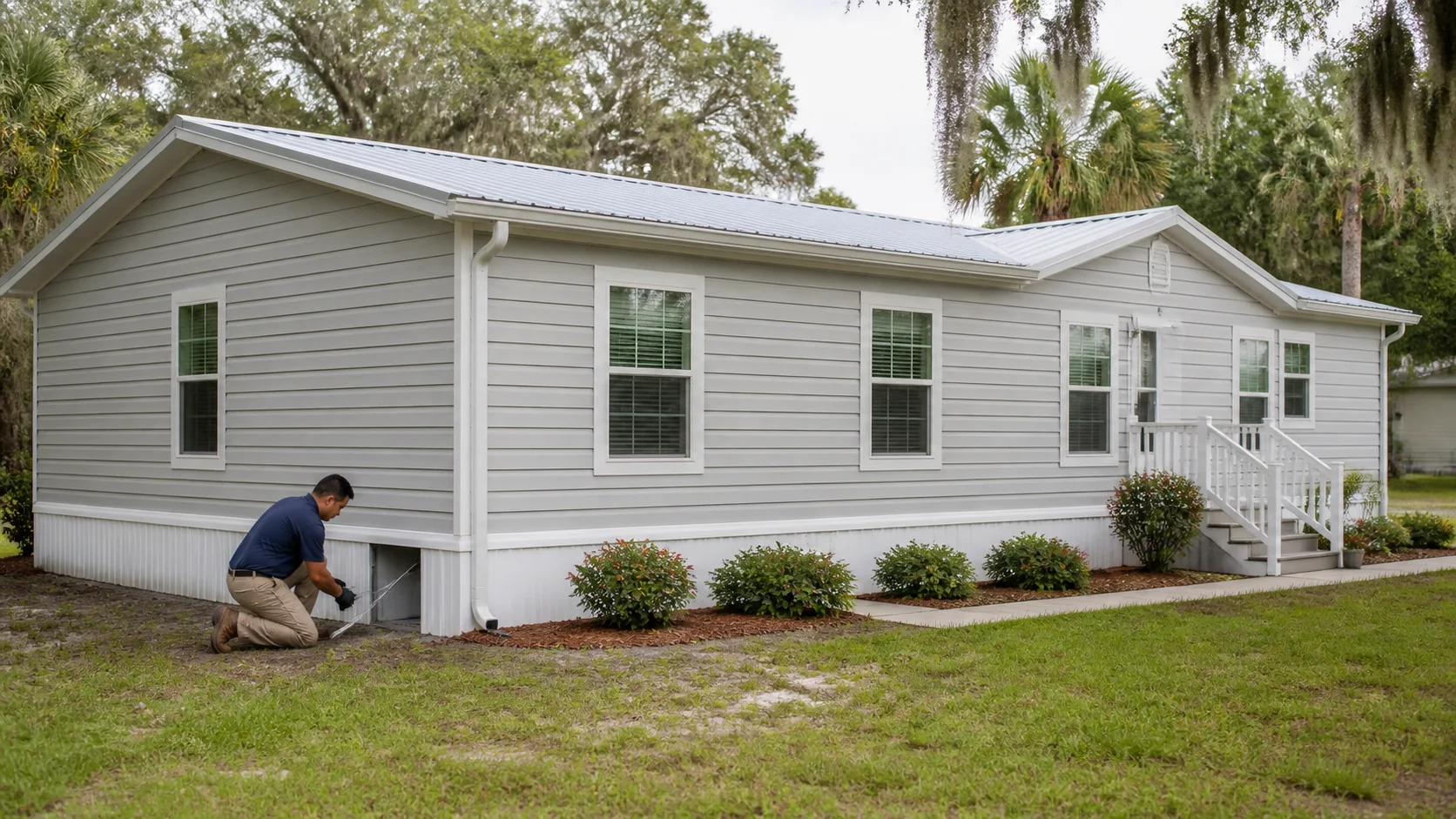
Mobile & Manufactured Homes
What to know before shopping for HO-7 coverage.
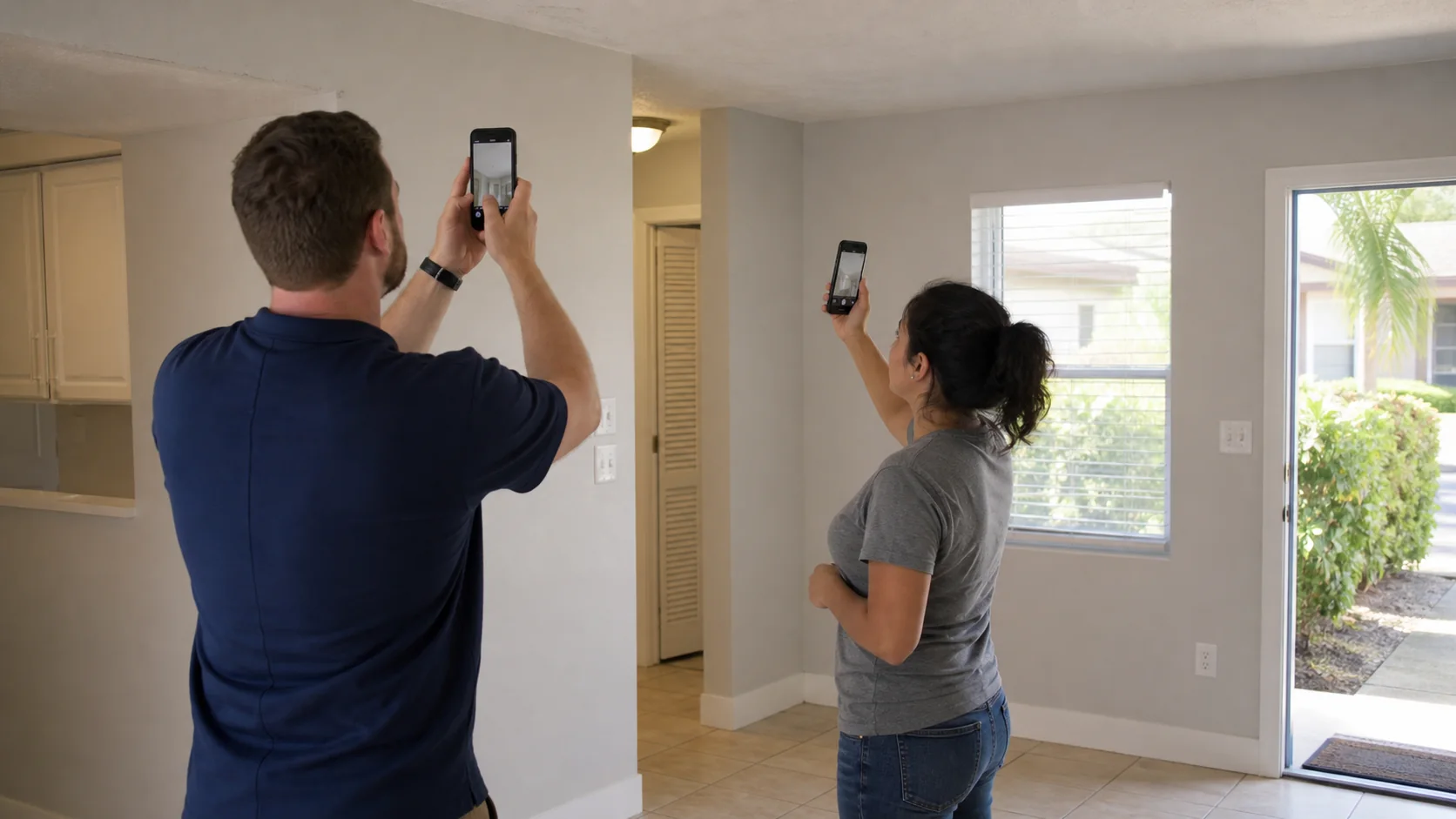
Rental Properties
Non-owner-occupied and Dwelling Fire (DP-3) guidance.
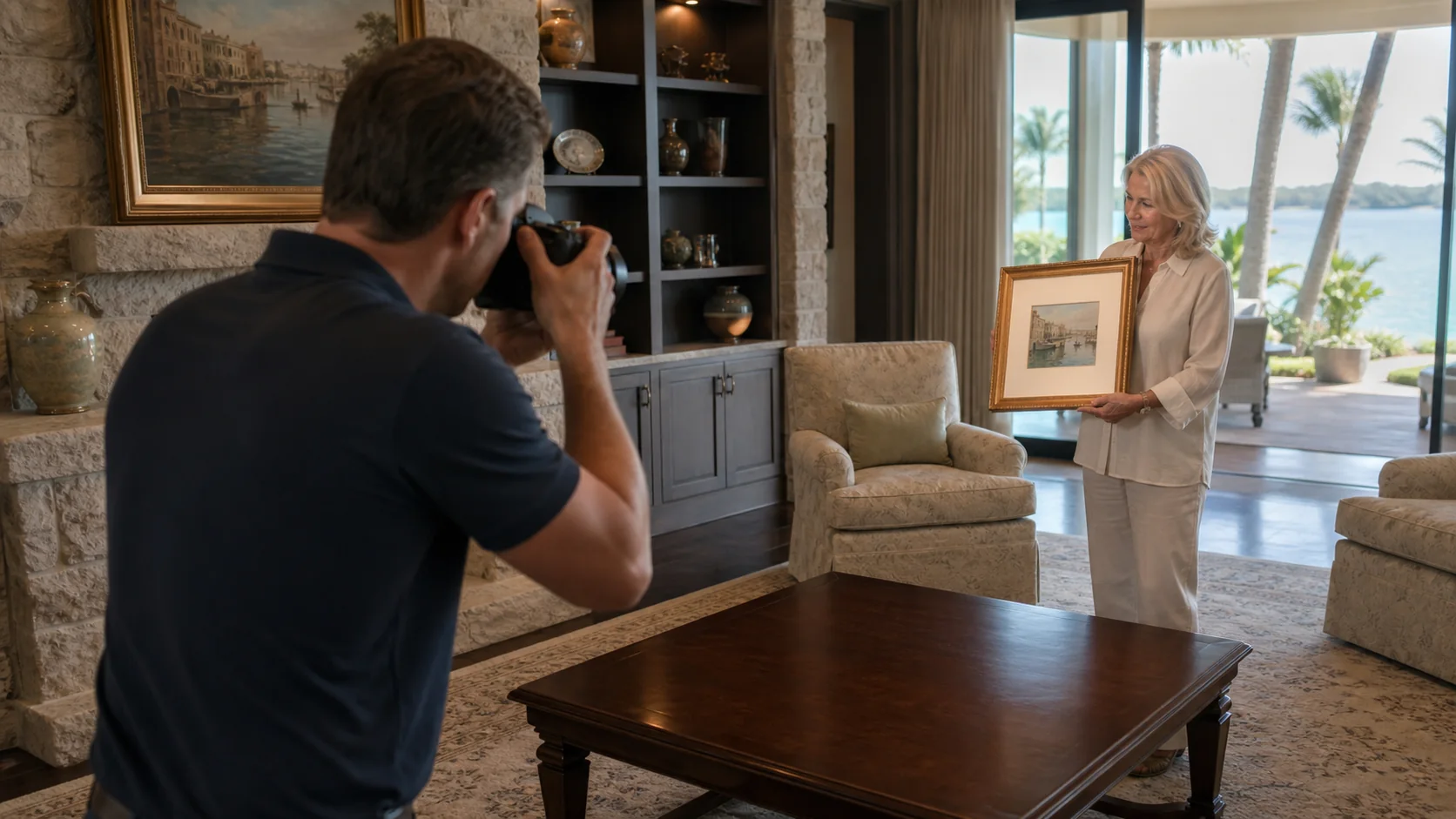
High-Value Homes
Carriers with published high-value home programs.
Where do I find my property type and form number on my declarations page?
The declarations page, the summary page a carrier sends with a new or renewed policy, typically states the “Policy Type” or “Form” near the top (for example HO-3, HO-6, DP-3, or HO-7), along with “Occupancy” (owner-occupied, tenant-occupied, or seasonal/secondary) and “Construction Type” (frame, masonry, or manufactured).
If the declarations page isn’t on hand, an agent or the carrier can confirm the form and occupancy directly. This is worth checking before comparing this page’s guidance against a specific policy, since the policy form in force, along with the type of home, determines which underwriting rules apply.
Which Florida property types have the fewest carriers writing them?
No current public rule identified as a single ranked list. No statewide directory publishes a live count of how many carriers actively write each property type, and the number shifts as individual carriers open or tighten their underwriting guidelines.
That said, the categories that have historically seen the most limited voluntary-market participation in Florida include older homes with original roofs or systems, manufactured and mobile homes, homes in high-wind coastal zones, and high-value homes needing a specialized program. Check the specific property-type page above for the underwriting factors carriers have published for that category, and see Citizens Property Insurance for eligibility as a market of last resort when voluntary-market options are limited.
Frequently asked questions
Does my property type change my premium, or just which carriers will quote me?
Both. Property type first determines which form and which carriers apply. Among the eligible carriers, premium still depends on construction, roof age and type, wind mitigation features, location, and the coverage limits chosen.
Can I change policy forms without changing insurance carriers?
Sometimes. If a carrier writes multiple forms, it may be able to transition a policy when a property’s use changes, for example, becoming a rental. Otherwise a new carrier is usually needed. Confirm directly, since this varies by insurer.
What if my home doesn’t fit neatly into one category, like a converted duplex or a seasonal home?
Mixed-use, seasonal, or unusual-occupancy properties often need extra underwriting review. Share the full details with an agent or carrier rather than assuming which form applies. Some situations require a specialty or surplus-lines carrier.
Where to go next
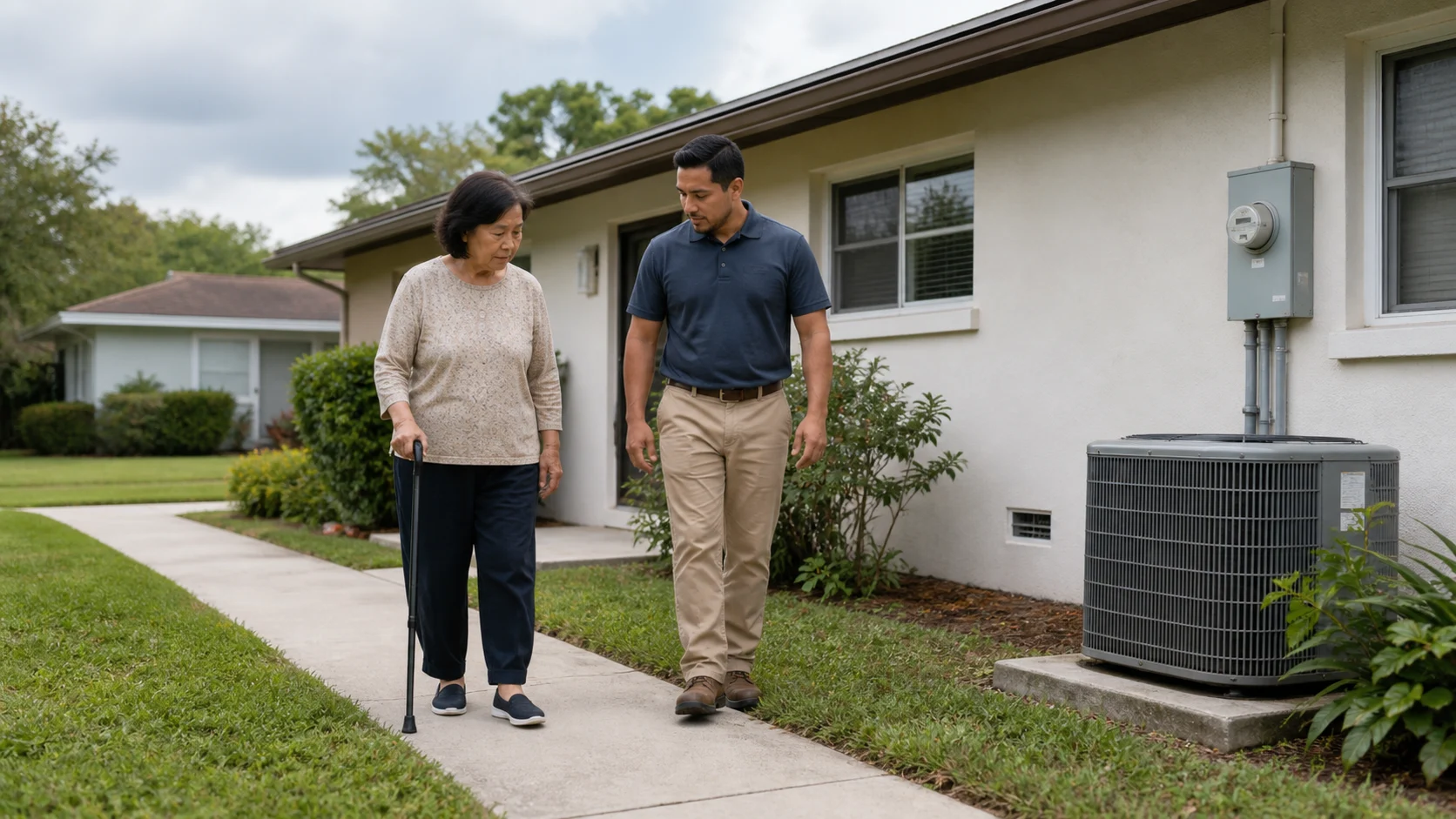
Eligibility Guides
The factors carriers publish guidance on, such as roof age, plumbing, and occupancy.
Citizens Property Insurance
How Citizens works, eligibility, depopulation, and takeout offers.
Understanding Your Coverage
Coverage A through F, deductibles, replacement cost vs. ACV, endorsements and exclusions.
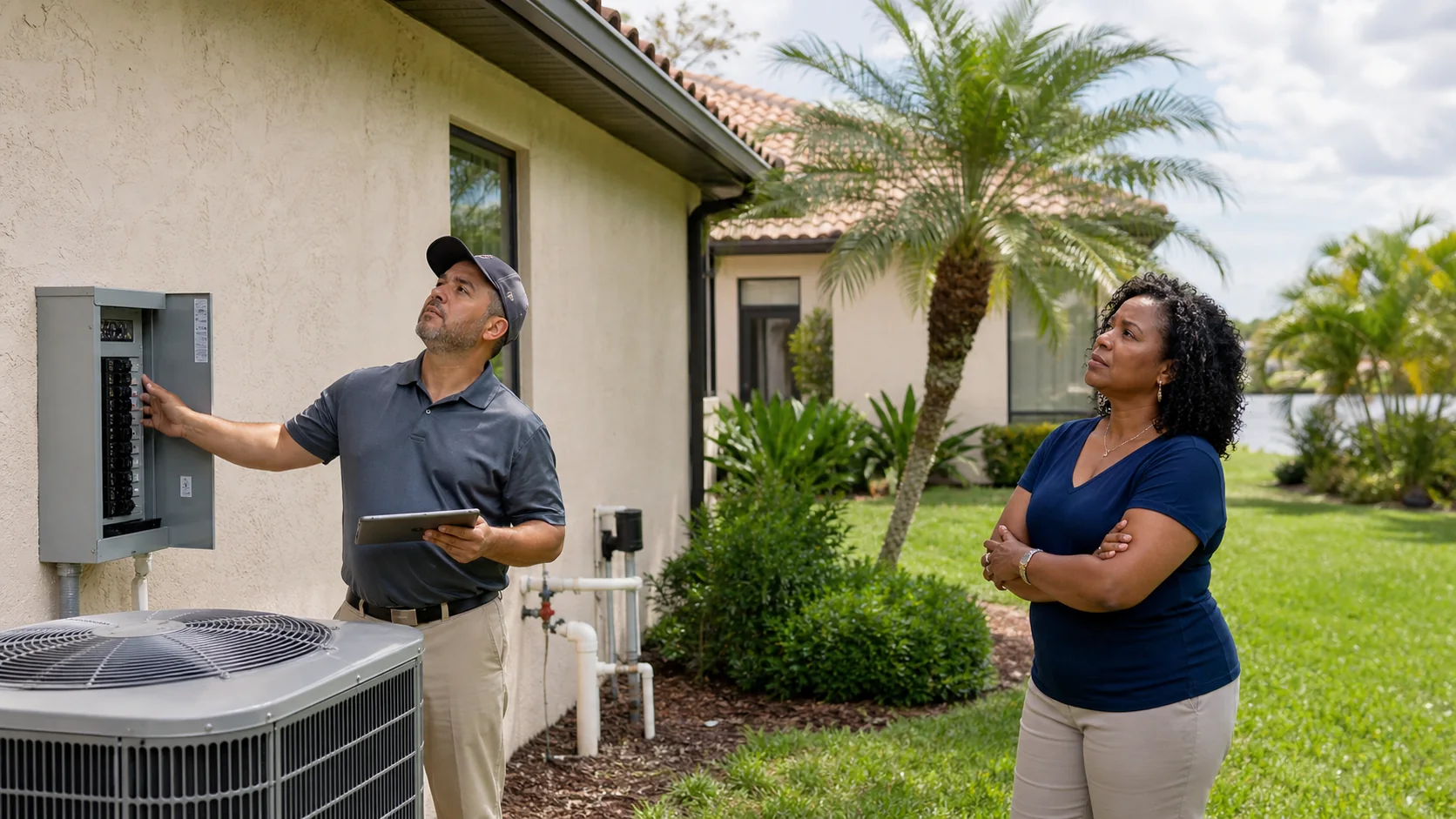
Four-Point Inspection Checklist
What to prepare before the inspector arrives.