Florida home insurance checklists
Use the list that matches the task in front of you. Save your records in one folder, and add the date to each report or photo.
Quick answers
Before you talk to anyone: which checklists come first?
Most homeowners start shopping for insurance the same way they start most unfamiliar tasks: by calling the first agent or company that shows up in a search, and answering whatever questions come up on the fly. That works, but it usually means you end up supplying information piecemeal, over several phone calls, while the person on the other end fills in gaps with assumptions about your home. The two checklists built for this stage exist to flip that order. Our Before Requesting a Quote checklist walks through the property facts every underwriter needs up front (roof age and covering, year of electrical and plumbing updates, square footage, construction type, prior claims history, and so on) so you can hand over a complete picture in one pass instead of several. Our Questions to Ask Your Agent checklist is the companion piece: a list of questions worth asking before you commit to working with someone, covering how many carriers they represent, how claims get handled, and what happens if your home doesn’t fit a standard underwriting box.
Using both before your first real conversation tends to shorten the whole process. Agents can quote more accurately when they aren’t guessing, and you avoid the common pattern where an initial quote changes significantly once someone finally asks about the roof or the electrical panel.
While you are comparing: what should you be writing down?
Once quotes start arriving, the challenge shifts from gathering information to organizing it. Two or three quotes rarely arrive in the same format, use the same deductible structure, or even define coverage the same way, which makes side-by-side comparison harder than it should be. Our Comparing Quotes checklist gives you a consistent set of line items to pull from every quote (dwelling coverage, other structures, personal property, loss of use, liability, the hurricane and all-other-perils deductibles, and any exclusions or endorsements) so you are comparing the same things across every offer rather than comparing whichever numbers happen to be printed largest.
This is also the stage where it helps to slow down and read the policy language as well as the premium. Our Understanding Your Policy checklist is written for exactly that: working through a declarations page and policy form line by line so you know what a quote is promising before you sign anything. A cheaper quote with a lower personal property limit, a higher hurricane deductible, or an ordinance-and-law exclusion is not automatically the better deal, and the only way to catch that is to read past the premium.
Once you have a policy: what should you check every year?
A homeowners policy is not something to file away and forget until it renews. Coverage that was adequate when you bought the policy can quietly fall out of date as your home changes: a finished basement, an addition, a kitchen remodel, or simply rising rebuild costs can leave your dwelling coverage below what it would take to rebuild. Premiums shift with market conditions too, and a policy that was competitively priced two years ago may not be today. Our Annual Policy Review checklist gives you a short list of things worth checking every renewal cycle: whether your dwelling coverage still reflects current rebuild costs, whether you have reported any major updates or renovations, whether your discounts are still being applied, and whether it makes sense to get a fresh quote from another carrier before you auto-renew.
If you are in the process of buying a home rather than renewing a policy on one you already own, the timeline and the questions are different. Our Buying a Home checklist is built around the closing process specifically. When to start shopping for coverage relative to your closing date, what your lender will require, and what to check on the seller’s disclosures and any prior claims tied to the property.
When something breaks: which checklist do you pull out?
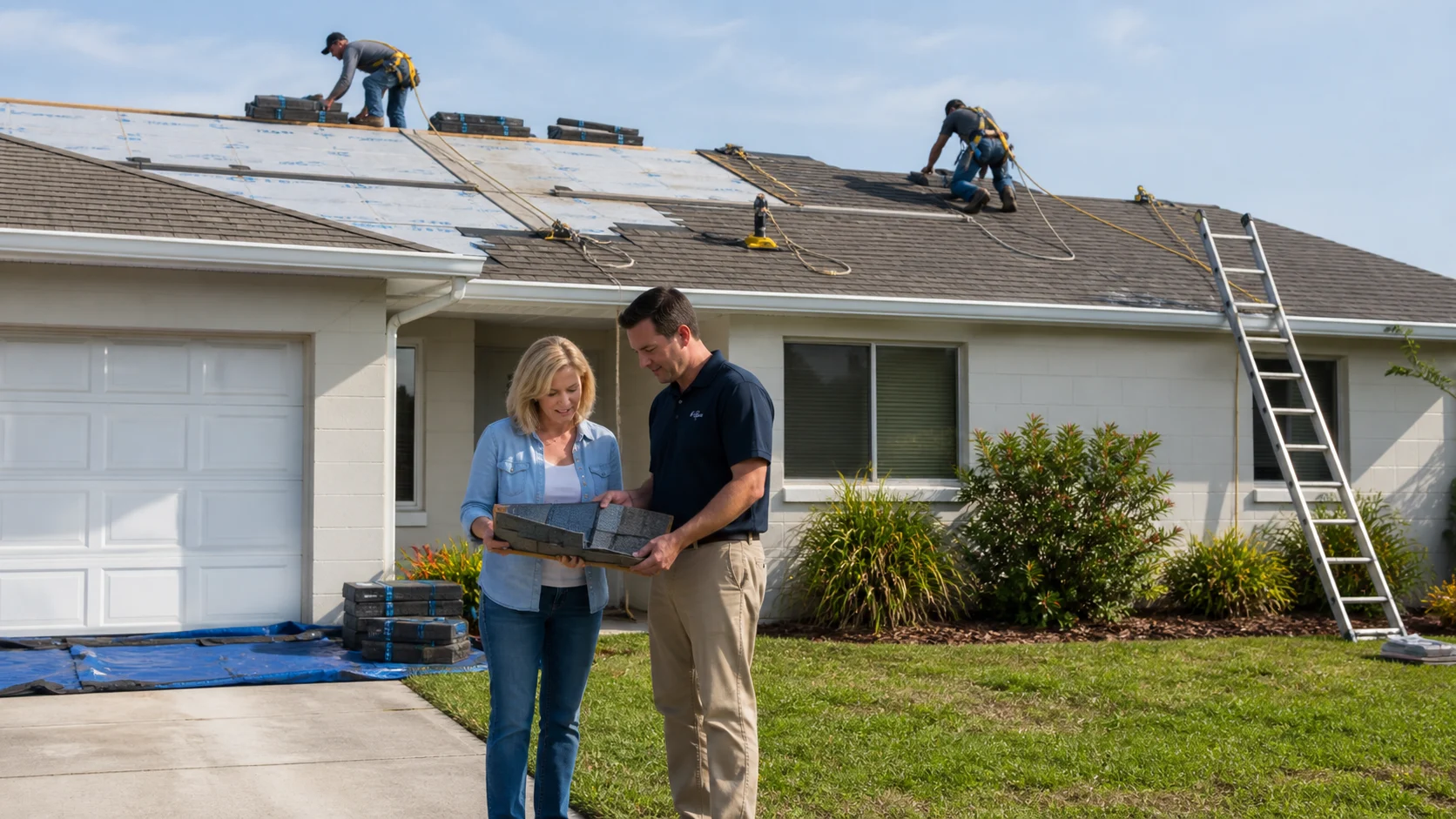
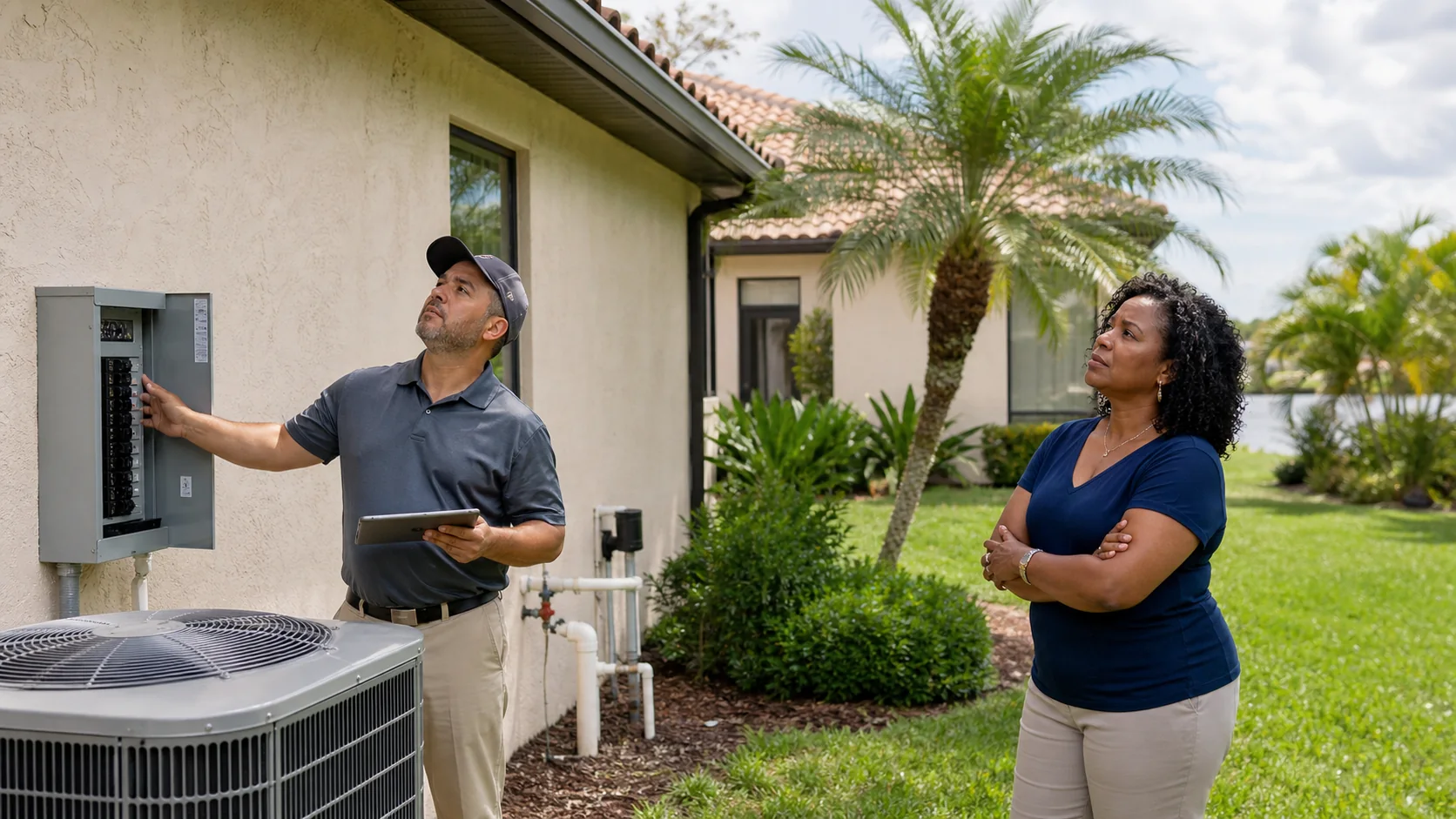
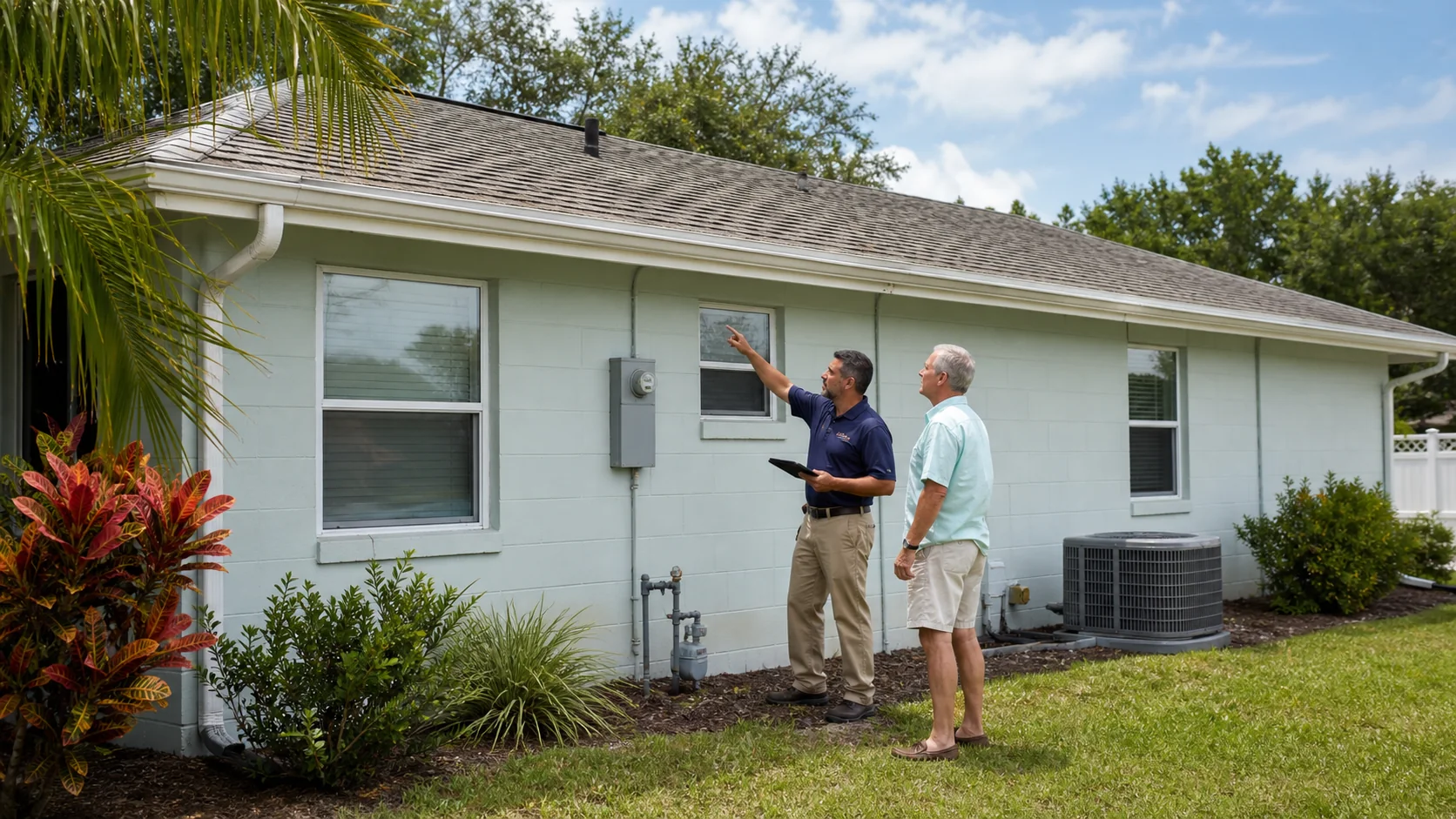
Several moments in owning a home in Florida call for their own dedicated checklist, because each one has its own paperwork, its own deadlines, and its own way of going wrong if you skip a step. If your roof is nearing the age where insurers start asking questions, or you are planning a replacement, our Roof Replacement checklist covers what to document before, during, and after the job so the new roof gets reflected on your policy and in any available discounts. If your insurer or your county requires a four-point inspection, our Four-Point Inspection checklist explains what the inspector is looking at and how to prepare so the report doesn’t come back with findings that jeopardize your coverage.
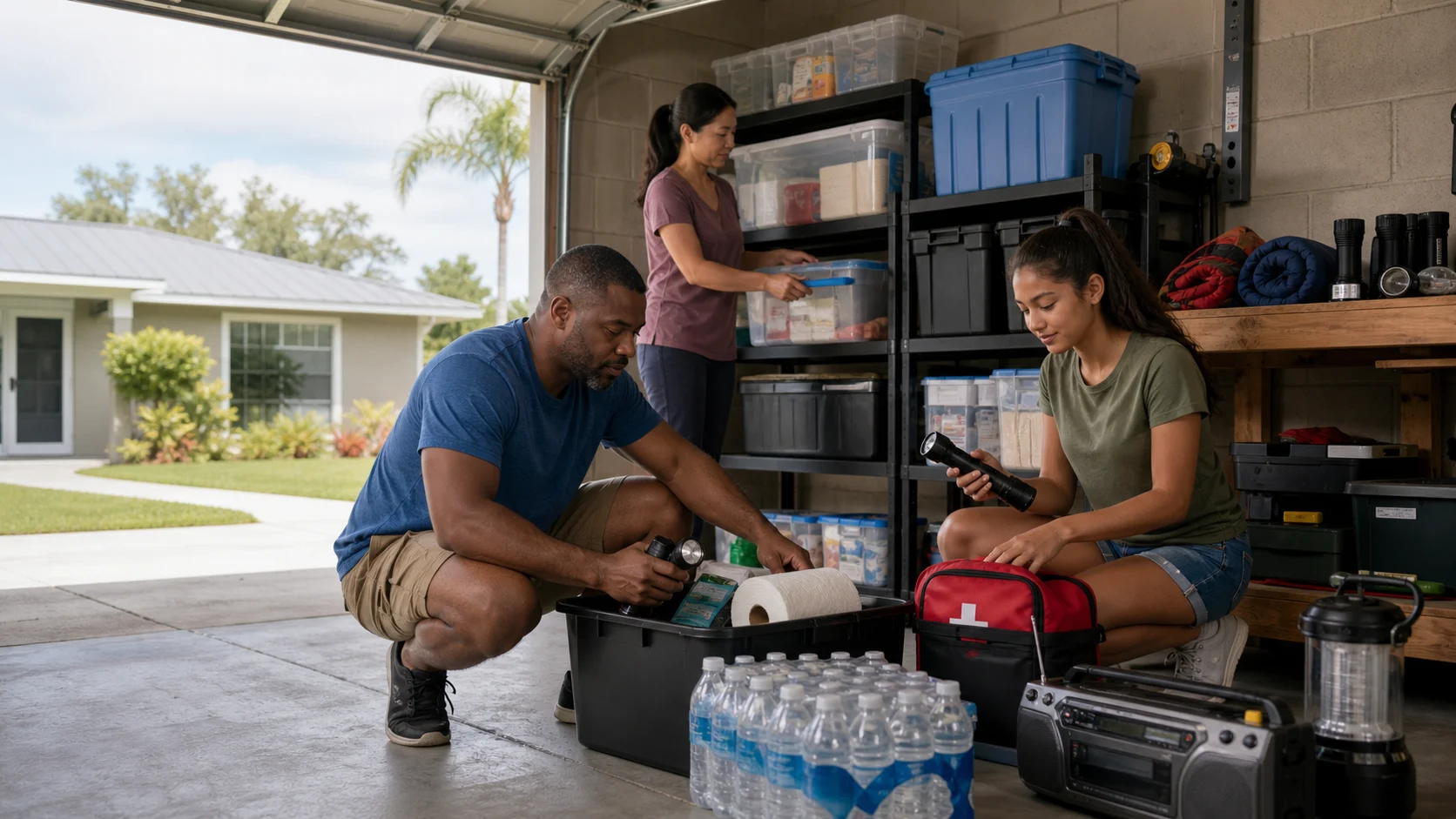
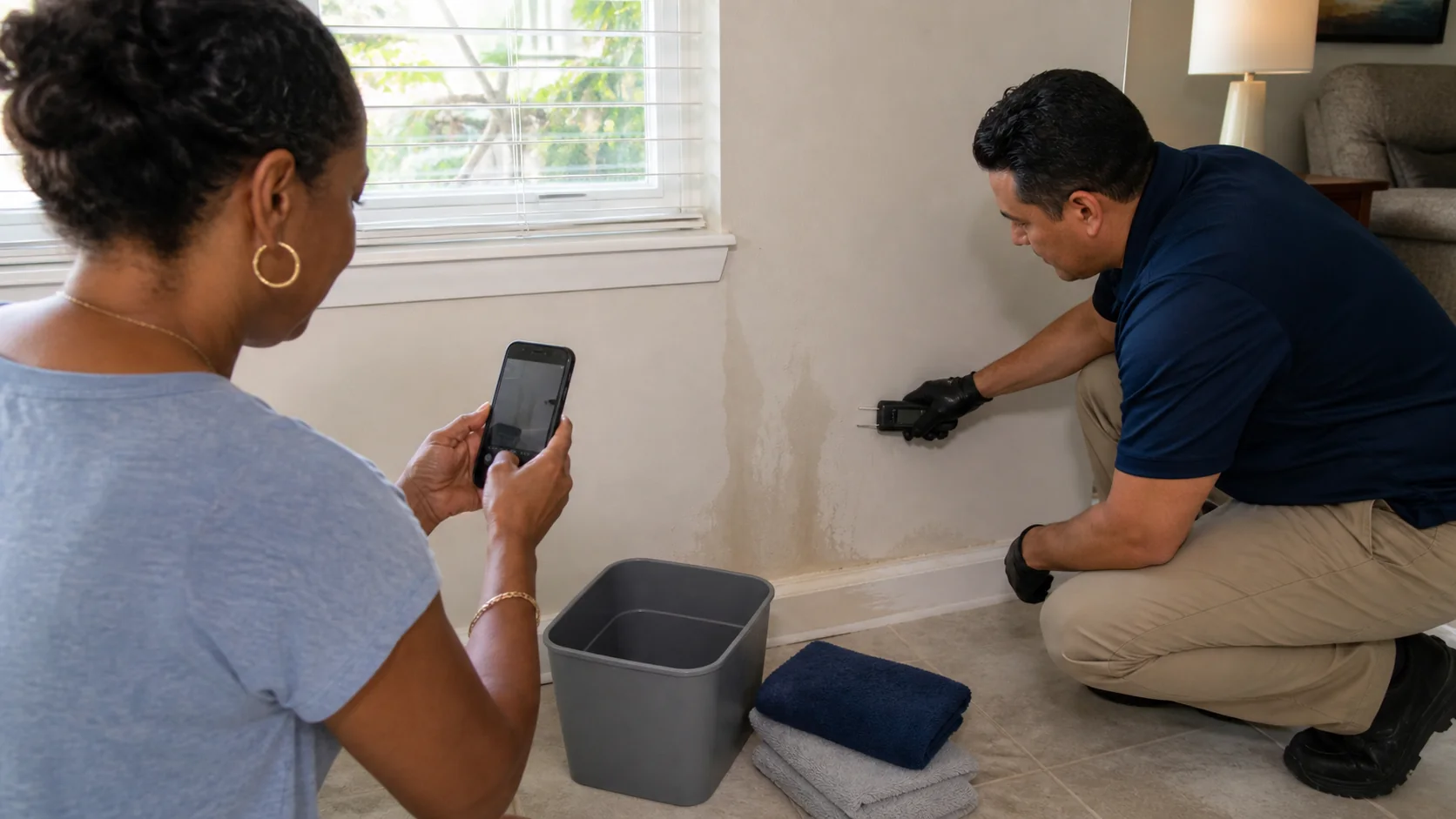
Ahead of hurricane season, our Hurricane Preparedness checklist covers the insurance side of storm prep specifically: documenting your home before a storm, understanding how your hurricane deductible works, and knowing what your policy does and does not cover for wind versus flood. And if you have already had a loss, our Filing a Claim checklist walks through what to do in the hours and days after damage occurs, from documenting everything before cleanup to understanding the timeline you can expect from your insurer.
How to use these with an independent agent
These checklists are written to use in the room as well as to read in advance. Printing or pulling up the relevant checklist during a call with an agent gives you a shared reference point. It is easier to make sure every topic gets covered when you can both see the same list, and it is easier to notice when a question goes unanswered. An independent agent who works with multiple carriers should be comfortable working through these with you and should be able to explain any gaps between what a checklist asks about and what a specific quote offers.
It is also worth remembering what this site is and is not. Floridahomeinsurances.com is a research directory operated by a Florida-licensed insurance agency: these checklists, our carrier profiles, and our eligibility tables are built to help you evaluate options and ask better questions, and no carrier pays for how it appears in them. The goal is to make you a more informed party in that conversation, whoever you end up working with.
Frequently asked questions
Do I need to use every checklist, or just the ones for my current stage?
Just the ones for your current stage. They are built to be used independently, so a homeowner renewing a policy has no need to open the closing-focused checklist, and someone shopping for a first policy can skip the annual review checklist until next year.
Are these checklists specific to Florida, or general homeowners insurance guidance?
They are written with Florida conditions in mind: hurricane deductibles, wind mitigation, four-point inspections, and the state’s roof-age and eligibility issues all come up because they are especially relevant here. The underlying process of comparing quotes or reviewing a policy applies more broadly, but the details are calibrated for the Florida market.
Can I use these checklists with any insurance company or agent?
Yes. Nothing on this page or in the individual checklists is tied to a specific carrier or agency. They are meant to help you ask consistent, informed questions no matter who you end up working with.
How often should I revisit the Annual Policy Review checklist?
At minimum, once a year at renewal, and again after any major change to your home (a renovation, an addition, a new roof, or paying off a mortgage) since any of those can affect what coverage you need.
What should I do if a checklist raises a question I can’t answer myself?
That is exactly what the checklists are designed to surface. Bring the specific question to your agent or carrier directly; the point of working through a checklist in advance is knowing which questions to ask, not necessarily knowing the answers yourself.
Will more checklists be added to this collection?
This is a living hub page. As additional stages of the homeownership and insurance process warrant their own dedicated checklist, they will be added here alongside the current set.
 Need a specific insurance company?
Get a quote from your Florida-licensed agent
Share a few details about your home, and our team will follow up to review your request and explain the next step.
- Florida-licensed agent
- Help with all property types
- No obligation
- Quotes typically back within 24 to 48 hours
How it works
- Tell us about your homeA few details and how to reach you.
- We check the carriersWe look at which carriers may write a home like yours.
- Get your quotesA Florida-licensed agent follows up with your options.

All ten checklists
Every checklist is free, printable, and written for Florida homeowners.