Home insurance claim checklist
Put safety first. Then stop more damage when you can do so safely and report the loss through the carrier’s official channel.
Quick answers
Documents and numbers to gather first
Before you call your carrier or agent, find your policy number and a copy of your declarations page, which lists your coverage limits, deductibles (including any separate hurricane or wind deductible), and the named insureds on the policy. Note your all-other-perils deductible and, if the damage is storm-related, your hurricane deductible, which is often a percentage of your dwelling coverage rather than a flat dollar amount, so knowing the dollar figure in advance helps you understand what a settlement offer means. If your home has had a four-point inspection, wind mitigation inspection, or roof inspection in the past few years, pull those reports too; they document the pre-loss condition of your roof, electrical, plumbing, and HVAC systems and can help establish that damage is new rather than pre-existing. Have your mortgage company’s name and loan number on hand if you have a mortgage, since many policies list the mortgagee as a loss payee on claim checks.
What should you photograph and record before anything is moved?
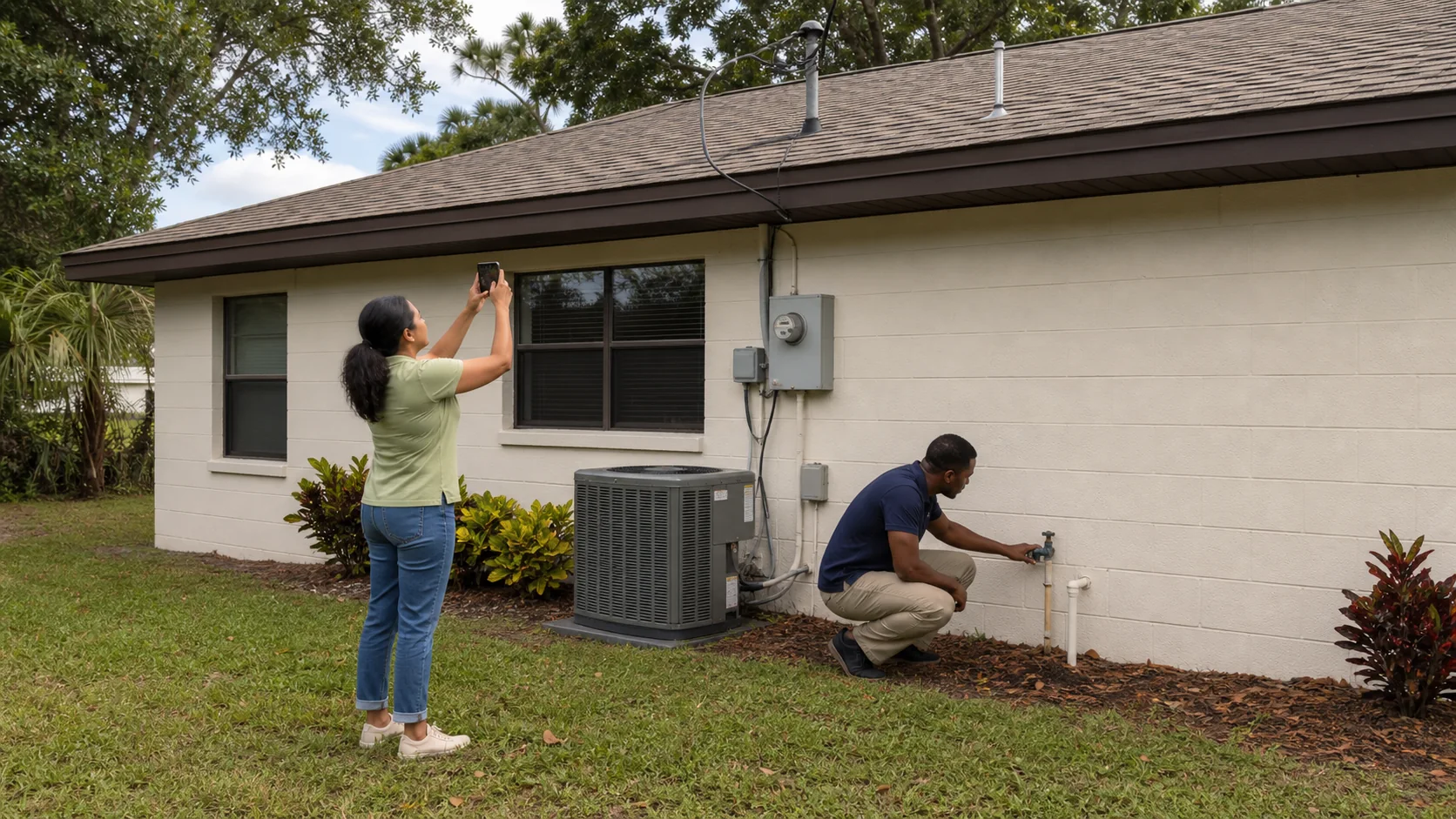
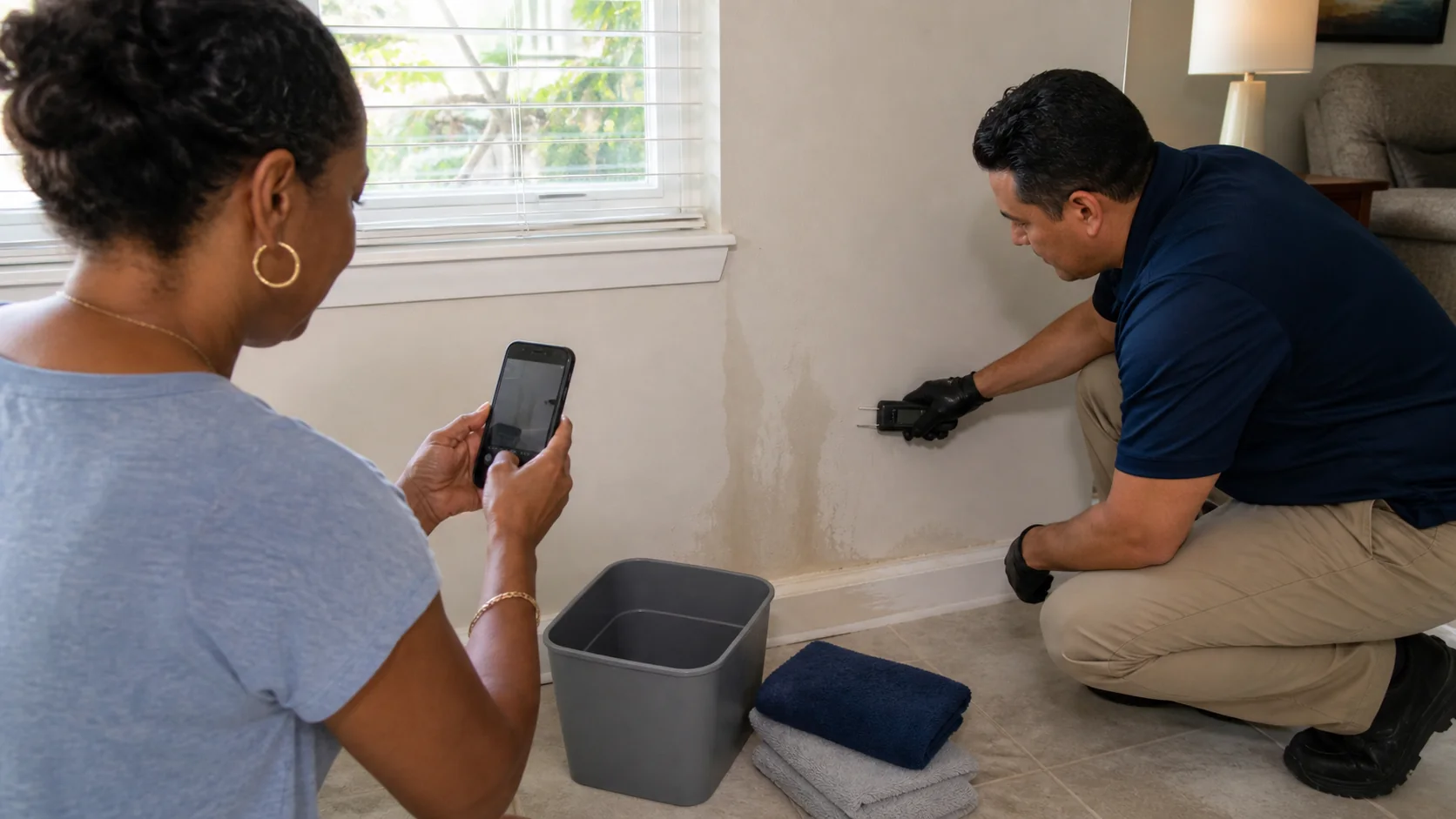
Document the damage thoroughly before you clean up, discard anything, or make anything beyond emergency repairs. Walk every affected room and the exterior with a phone camera and take both wide shots that show the damage in context and close-up shots of individual items or damaged surfaces. Record a slow video walkthrough narrating what you see, room by room, including ceilings, floors, walls, cabinetry, and personal property. Photograph the exterior from multiple angles, including the roof if it’s safely visible, damaged fencing or screening, and any standing water or debris. Date-stamp photos where your phone allows it, and keep the original files rather than only screenshots, since originals retain metadata that can matter later. If you already have a home inventory or receipts for higher-value items, gather those as well.
Which emergency repairs should be done, and what should be kept?
Florida law generally expects policyholders to take reasonable emergency measures to protect the property from further damage after a loss. That means things like tarping an open roof, boarding up a broken window, or extracting standing water to prevent mold. Do those steps, but stop short of permanent repairs, and don’t throw away damaged materials or contents until they’ve been documented and, where possible, released by the adjuster. Keep every receipt for tarps, plywood, water extraction, temporary lodging, or a restoration company’s emergency mitigation work; these costs are typically reimbursable under the policy’s protection-of-property or additional living expense provisions. If a contractor or restoration company removes damaged materials before the adjuster sees them, ask them to photograph and, where practical, retain samples until the claim has moved past the initial inspection.
Who do you notify, and in what order?
Report the loss to your insurance carrier or your agent first, as soon as it’s safe to do so, since most policies require prompt notice and delay can complicate a claim. If your carrier requires a written proof-of-loss statement, note the deadline they give you. After notifying the carrier, tell your mortgage company if you have one, since some loan agreements require notice of significant property damage and insurance checks over a certain amount are often issued jointly to you and the mortgagee. If the damage involves a burst pipe, fire, or other issue that could affect a shared structure, condo association, or neighboring property, notify those parties as well. Keep notification separate from repair work: don’t wait on a contractor’s schedule to make the first call to your carrier.
What will the adjuster ask on the first call?
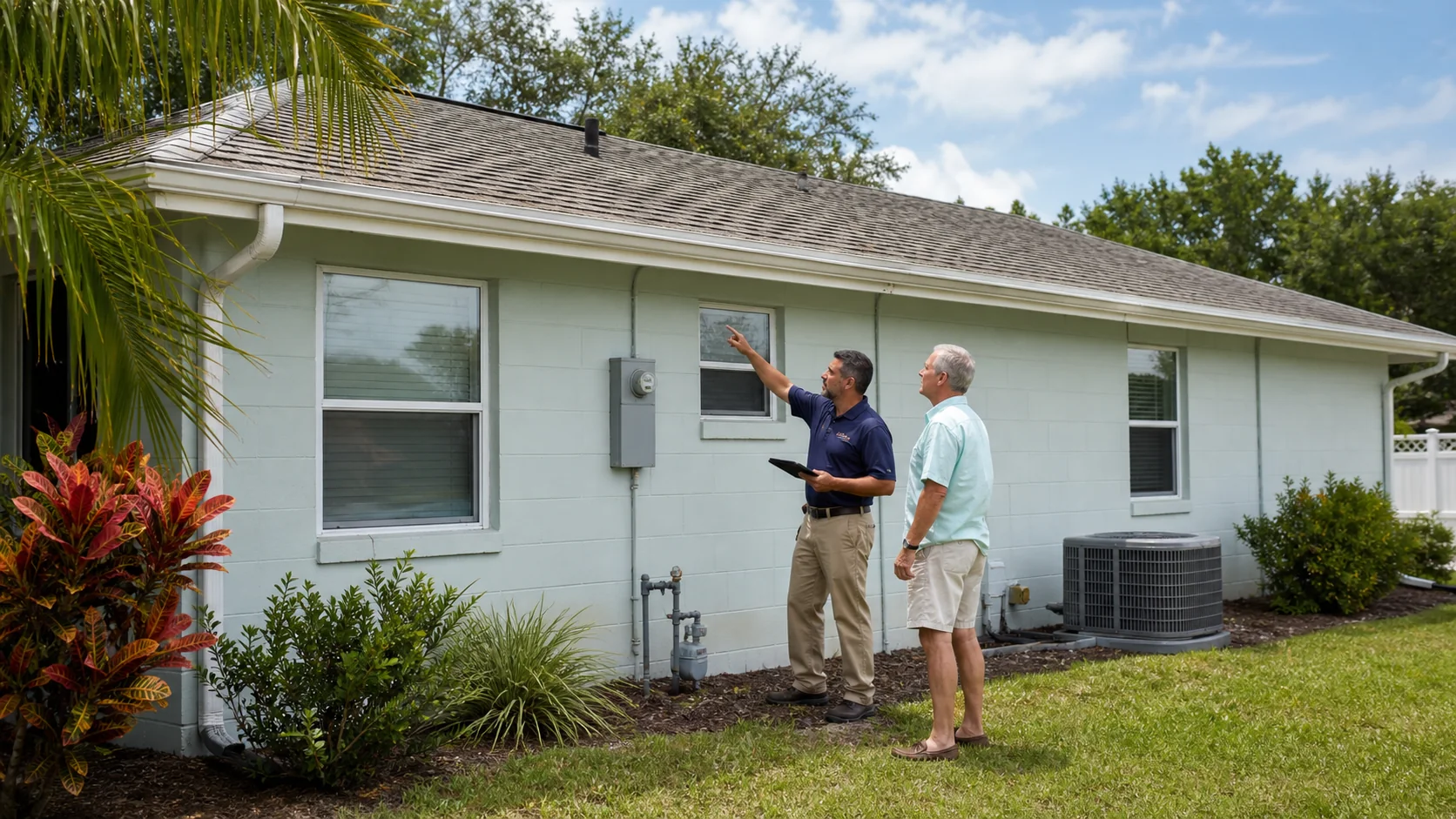
Expect the adjuster or claims representative to ask for the date and approximate time the damage occurred, the cause of loss (wind, water, fire, and so on), and whether anyone in the home is currently unsafe or displaced. They’ll typically ask what emergency repairs you’ve already made and whether you have receipts for them, your best contact number and availability for a physical inspection, and whether the property is currently occupied and secure. Have your policy number, the declarations page, and your photo and video documentation ready so you can answer clearly and consistently. This first call is also when an inspection is usually scheduled, so keep a note of the date, time, and the adjuster’s name and direct contact information.
What should you log while the claim is open?
Keep a running log for as long as the claim is open. For every phone call, write down the date, the name of the person you spoke with, and a short summary of what was discussed or promised. Save all written correspondence (emails, letters, portal messages, and text confirmations) in one folder rather than scattered across apps. Track every out-of-pocket expense connected to the loss, including temporary lodging, meals above your normal cost, storage, and laundry, since these may qualify for reimbursement under additional living expense (ALE) or loss-of-use coverage if your policy includes it. Note the dates of each inspection, each document you submit, and each payment or denial letter you receive, along with the amount and what it covers. A simple spreadsheet or notebook works fine; the goal is a clear timeline you can refer back to if there’s ever a dispute about what was said or done and when.
Frequently asked questions
How quickly does my insurer have to acknowledge my claim in Florida?
Florida law (Fla. Stat. §627.70131) generally requires an insurer to review and acknowledge receipt of a claim communication within 7 calendar days.
How long does the insurer have to start investigating?
The insurer generally must begin investigating within 7 days after receiving your proof-of-loss statement, and complete any physical inspection within 30 days of receiving that documentation, subject to exceptions for factors outside the insurer’s control, such as a declared state of emergency.
How long does the insurer have to pay or deny my claim?
Under current Florida law, insurers generally must pay or deny a property claim within 60 days of receiving notice of the claim. If payment is made after that window without an applicable exception, interest can accrue on the amount owed.
Can I make permanent repairs before the adjuster inspects the damage?
It’s best to hold off on permanent repairs until the adjuster has inspected and documented the damage. Reasonable emergency measures to prevent further damage, like tarping or water extraction, are expected and should be done promptly, with receipts kept.
Should I throw away damaged items right away?
No. Keep damaged items until they’ve been documented in photos or video and, where possible, reviewed or released by the adjuster, unless they pose a health or safety hazard that requires immediate removal.
Do I need to notify my mortgage company about a claim?
If you have a mortgage, check your loan documents; many require notice of significant damage, and insurance settlement checks above a certain amount are often issued jointly to you and the mortgagee.
 Need a specific insurance company?
Get a quote from your Florida-licensed agent
Share a few details about your home, and our team will follow up to review your request and explain the next step.
- Florida-licensed agent
- Help with all property types
- No obligation
- Quotes typically back within 24 to 48 hours