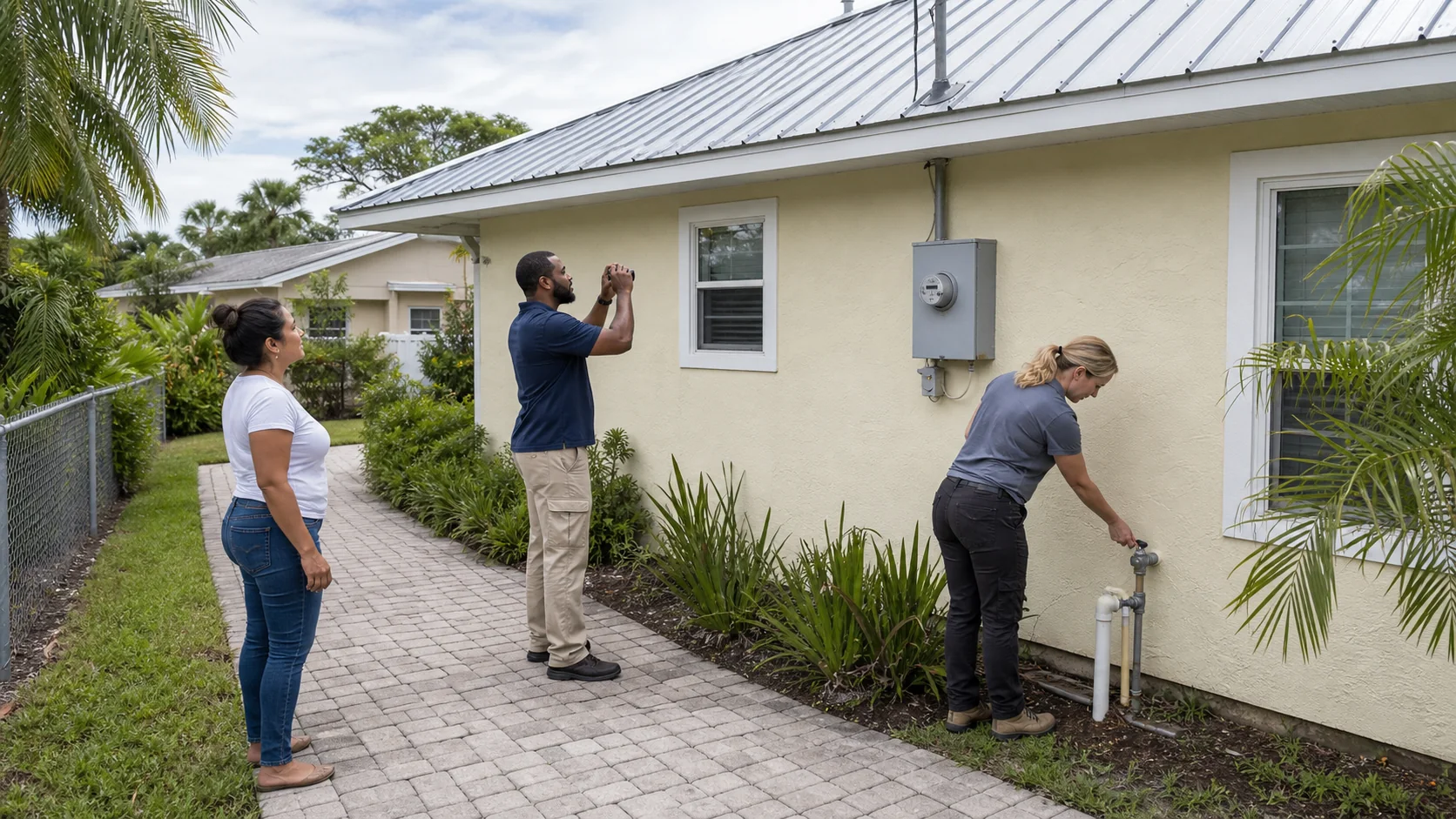
What does Coverage C cover?
Coverage C may protect your belongings after a covered loss. This can include furniture, clothes, dishes, tools, and many items you take away from home.
Quick answers
What is Coverage C, and how is the limit usually set?
Coverage C is the personal property section of an HO-3 policy. It applies to the contents of the home (furniture, clothing, appliances, electronics, kitchenware, and similar belongings) as opposed to Coverage A, which insures the structure itself. Most carriers do not let a homeowner pick a Coverage C dollar amount directly. Instead, the limit is generated as a percentage of the Coverage A dwelling limit, commonly in the 50%-70% range depending on the carrier. A policy with a $300,000 dwelling limit might therefore carry a Coverage C limit anywhere from roughly $150,000 to $210,000. Some insurers allow that percentage to be adjusted up or down, and a few let a homeowner set Coverage C as a flat dollar figure instead. The exact method, and the exact percentage, varies by company, so the reliable number is the one printed on the declarations page rather than a rule of thumb.
Which categories carry special sub-limits: jewelry, tools, firearms, cash?
Underneath the overall Coverage C limit, standard homeowners forms carry a shorter list of “special limits of liability” that cap what certain categories pay out, regardless of how much total personal property coverage exists. These sub-limits exist because a handful of item types are disproportionately valuable, hard to verify, or attractive theft targets. Insurers do not want to fund an unlimited claim for them under a broad, generalist limit. Categories that commonly carry a special limit include: cash, bank notes, and coins; securities, deeds, and stamp collections; watercraft, trailers, and their equipment; jewelry, watches, and furs (usually only for theft, not for fire); firearms (usually theft only); silverware, goldware, and pewterware (usually theft only); business property kept on or away from the premises; and electronic equipment permanently installed in a vehicle. The dollar figures attached to each category differ by carrier and by policy edition. Jewelry theft sub-limits, for example, have shown up anywhere from roughly $1,000 to $2,500 across different forms, and cash sub-limits are often just a few hundred dollars. Because the variation is real, the categories and their limits should be read directly off the policy’s “Special Limits of Liability” section rather than assumed.
Replacement cost or actual cash value on contents: which do you have?
Personal property claims are settled one of two ways. Actual cash value (ACV) pays the depreciated value of an item at the time of loss. A five-year-old television is paid out as a five-year-old television, not a new one. Replacement cost coverage pays what it costs to buy a new equivalent item, with no deduction for age or wear. Many base homeowners policies default to actual cash value on contents unless a replacement-cost-on-contents endorsement has been added. A number of carriers now build replacement cost into their standard offering rather than treating it as an add-on. Because this detail changes the payout on nearly every contents claim, it is worth confirming directly: the declarations page or policy jacket will either name a “Replacement Cost Contents” or “Personal Property Replacement Cost” endorsement, or it will be silent and the ACV default will apply.
Are belongings covered away from the home?
Coverage C typically extends beyond the four walls of the insured home, often described as “worldwide” coverage. A laptop stolen from a car, luggage lost in transit, or items stored in a self-storage unit can generally be covered under Coverage C even though the loss did not happen on the property. That off-premises coverage is usually capped at a percentage of the total Coverage C limit, commonly around 10%, rather than paying up to the full contents limit. Personal property kept at a second residence, such as a college dorm room or a relative’s house, often falls under this same off-premises limit. It may carry additional restrictions too, such as theft coverage applying only while a household member is present. The specific percentage and any secondary-residence conditions are set by the carrier and should be checked against the policy language rather than assumed to be a fixed industry number.
When does a scheduled personal property endorsement become relevant?
Scheduled personal property, also called a personal articles floater, becomes relevant once an item’s value exceeds what the relevant special limit would pay, or once several items in one category add up past that cap. An engagement ring appraised at $8,000 sitting under a $1,500 jewelry theft sub-limit is a typical example: without scheduling, a total loss would be paid only up to the sub-limit, leaving a large gap. Scheduling an item generally means listing it individually on the policy, often after an appraisal, in exchange for broader coverage than the base policy provides. That broader coverage frequently includes causes of loss like accidental loss or mysterious disappearance that the base personal property coverage does not cover, often with little or no deductible on that item. The added premium is usually a small percentage of the item’s insured value per year. It is most commonly used for engagement and wedding rings, fine jewelry, furs, firearms collections, fine art, musical instruments, and similar high-value items that a household owns in a quantity or value the standard sub-limits were not designed to cover.
What kind of home inventory helps at claim time?
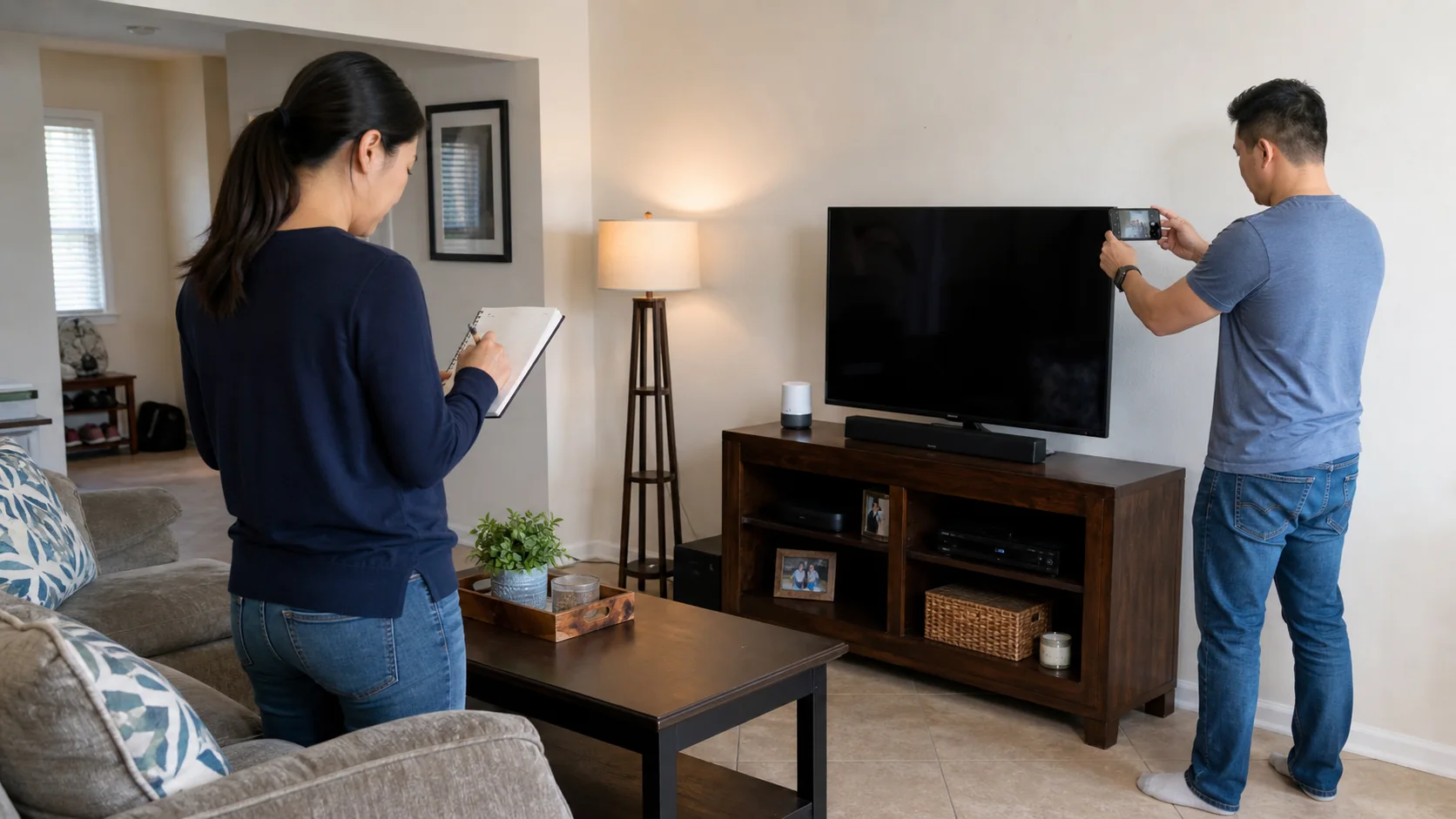
A home inventory is simply a record of what is owned. It becomes valuable the moment a claim needs to be filed, since an adjuster settles a claim based on documented loss rather than a household’s memory of what a room contained. A practical inventory usually includes: a room-by-room photo or video walkthrough, ideally narrated to note brand, approximate age, and purchase price of higher-value items; receipts or bank/credit card statements for major purchases; serial numbers for electronics, tools, and appliances; and appraisals for jewelry, art, or collectibles that might later be scheduled. The inventory is only useful if it survives whatever damaged the home, so a copy stored off-site (in cloud storage, email, or with a family member) is generally more useful than one kept only on a home computer or in a filing cabinet. Updating it after major purchases, renovations, or roughly once a year keeps it from going stale.
Frequently asked questions
Does the Coverage C limit apply to each item, or to everything combined?
It is a combined, aggregate limit for all personal property in a claim, not a per-item limit. The special limits described above are the exception: those apply per category, within the larger aggregate limit.
Can Coverage C be declined or removed from a policy?
No. Personal property coverage is a standard part of an HO-3 policy and is not something a homeowner can opt out of, though the dollar limit and settlement basis (ACV vs. replacement cost) can often be adjusted.
What happens if a loss exceeds the Coverage C limit?
The policy pays up to its stated Coverage C limit and no more; any amount above that limit is the homeowner’s responsibility unless the limit is raised or the specific item was scheduled separately before the loss occurred.
Does Coverage C pay for flood or hurricane storm-surge damage to belongings?
No. Flood damage, including storm surge, is generally excluded from homeowners policies altogether and requires separate flood insurance, typically through the National Flood Insurance Program or a private flood carrier. Wind damage from a hurricane is a different peril and is commonly covered under Coverage C, subject to the policy’s hurricane deductible.
Is it possible to lower the Coverage C limit to reduce the premium?
Some carriers allow the Coverage C percentage or dollar amount to be adjusted downward, which can reduce premium, but doing so also reduces the maximum payout available for a total loss of the home’s contents. A home inventory is a useful way to check whether the existing limit is realistic before changing it.
Does a single ring or watch under $2,000 need to be scheduled?
Not necessarily. If the applicable special limit for jewelry theft on the policy already covers the item’s full value, scheduling adds cost without adding meaningful protection. Scheduling becomes worthwhile once an item’s value, or the combined value of several items in one category, exceeds that special limit, or when broader causes of loss (like accidental loss) matter to the household.
 Need a specific insurance company?
Get a quote from your Florida-licensed agent
Share a few details about your home, and our team will follow up to review your request and explain the next step.
- Florida-licensed agent
- Help with all property types
- No obligation
- Quotes typically back within 24 to 48 hours