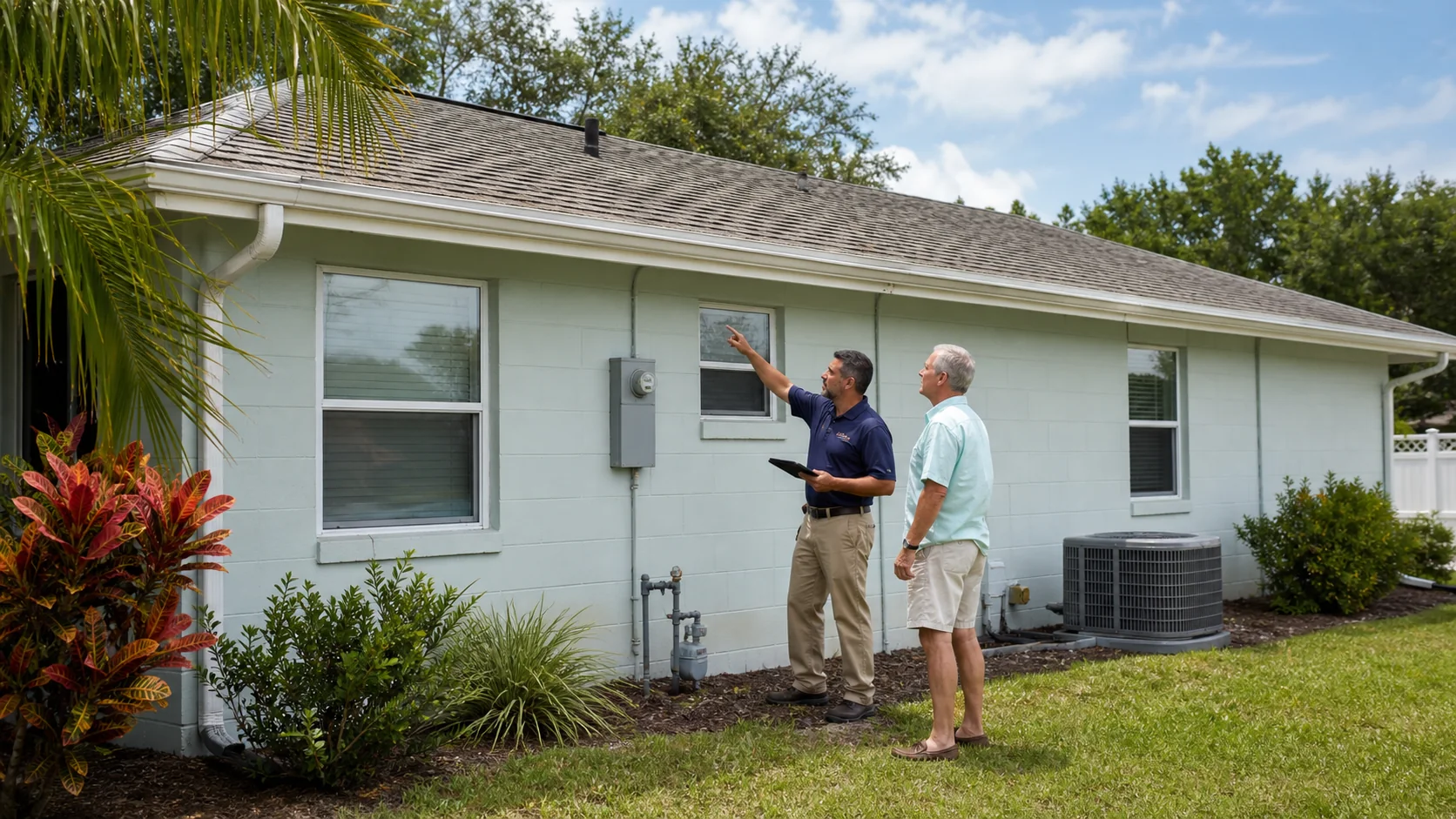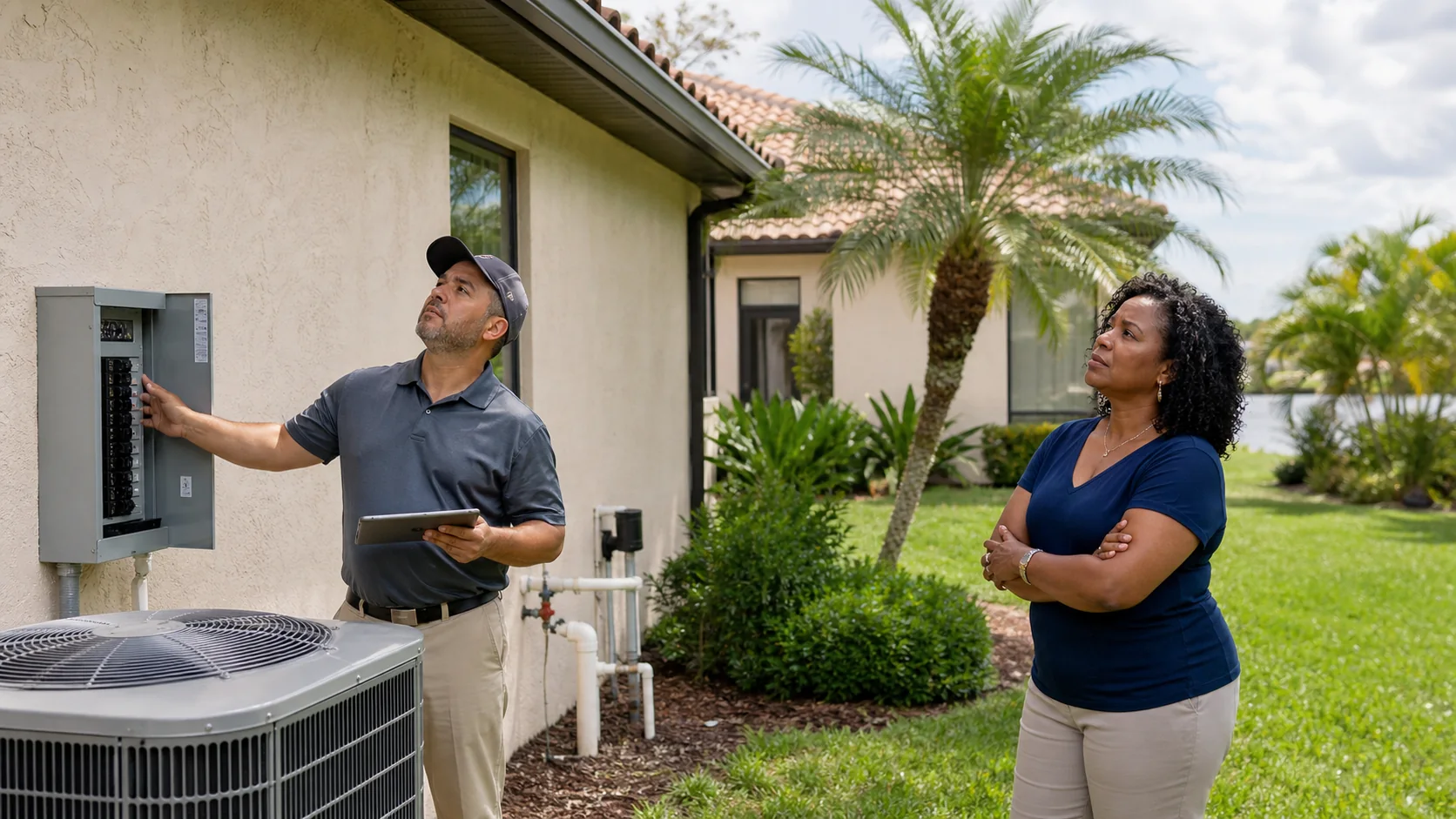
How does home value affect insurance options?
Carriers use the cost to rebuild the home, called replacement cost. This is not the sale price, tax value, mortgage amount, or land value.
Quick answers
What is Coverage A, and how is it different from market value?
Coverage A, also called dwelling coverage, is the dollar amount a policy pays to rebuild your home’s structure (the foundation, framing, roof, walls, built-in cabinetry, and attached structures) if it is destroyed. It is calculated from local construction costs: square footage, materials, roof type, and labor rates in your area. It is not your home’s market value or sale price, and it is not what a buyer would pay for it.
Market value includes things Coverage A deliberately excludes: the value of the land underneath the house, neighborhood desirability, school zones, view premiums, and general real-estate appreciation. Land does not burn down or blow away in a hurricane, so no carrier insures it. This is why a home can have a market value of $600,000 in a desirable coastal zip code while its Coverage A, the actual cost to rebuild the structure, is $320,000. It also runs the other direction: a modest lot in a cheap area can sit under a large, well-built custom home whose rebuild cost is much higher than the land-plus-house sale price would suggest. Carriers underwrite to the rebuild number, not the sale number, which is why an appraisal or a Zillow estimate is not a substitute for a proper replacement cost estimate.
Why do carriers set a minimum dwelling amount?
Every policy carries roughly the same fixed costs to originate and service: underwriting review, inspection processing, policy issuance, claims handling infrastructure, and the carrier’s own reinsurance costs. Those reinsurance costs are priced per policy in Florida’s post-hurricane reinsurance market, regardless of the policy’s size. On a very small dwelling amount, the premium those fixed costs require to break even can look disproportionate to the coverage, or can simply fall below what the carrier’s own economics call for. As a result, many Florida carriers set a floor on the Coverage A amount they will write. This is especially true for stand-alone dwelling and manufactured/mobile home programs, where rebuild costs run lower to begin with. The specific dollar floor is a carrier-by-carrier underwriting decision, and only some carriers publish it. Where a carrier does not publish one, we say so explicitly below rather than assume it is zero or a round number.
Why do carriers set a maximum, and what happens above it?
At the high end, the constraint is concentration of catastrophe risk. A single high-value coastal home can represent as much potential hurricane loss as dozens of smaller inland policies combined, and Florida’s admitted homeowners carriers buy reinsurance in layers sized around their overall exposure. Writing very large dwelling amounts, especially in wind-exposed coastal counties, can push a carrier’s per-risk exposure past what its reinsurance program and Florida Office of Insurance Regulation (FLOIR)-approved rate filings are built to absorb. Because of this, most standard-market Florida carriers cap Coverage A somewhere in the low-to-mid seven figures, and Citizens Property Insurance Corporation, the state’s insurer of last resort, is capped by statute well below that. A home whose rebuild cost exceeds a given carrier’s ceiling is not a sign of anything wrong with the home; it simply falls outside that carrier’s risk appetite and needs a market built for higher-value structures.
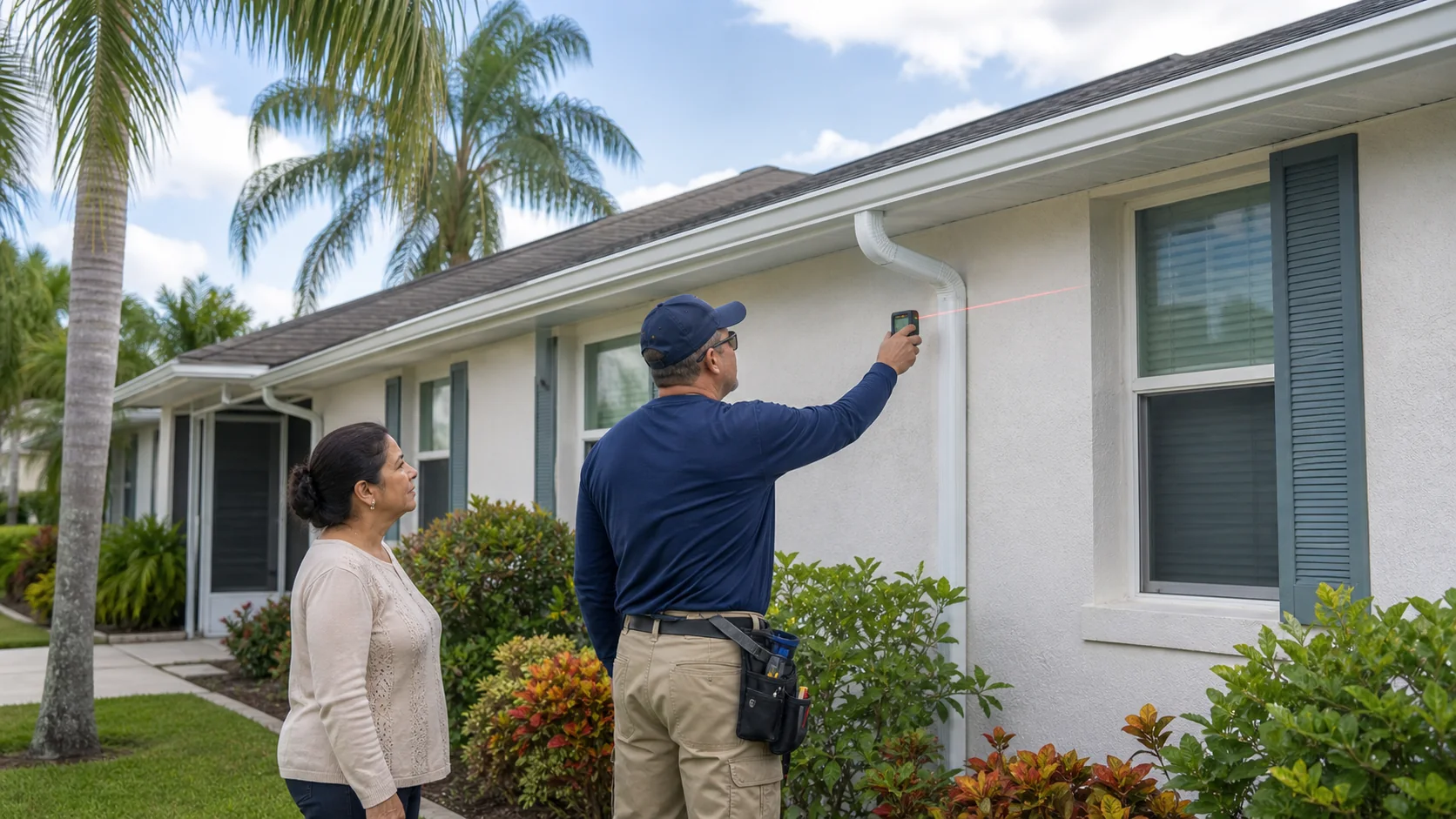
Minimum and maximum Coverage A by carrier: carriers with published data
We searched each carrier’s own published underwriting guidelines, agent-facing binding guidelines, rate filings, and company statements for a specific minimum and/or maximum Coverage A dwelling figure. Per this site’s sourcing standard, an entry is only populated with a dollar figure when it traces to that specific carrier’s own materials or to a source that names that carrier’s number explicitly, never inferred from a generic industry article or another carrier’s figure. Three carriers (Universal Property & Casualty, Citizens, and American Integrity) publish an actual dollar figure. Four more (Slide, Security First, Orchid, and GeoVera Specialty) publish real context about how they approach dwelling limits without a specific number. The other eleven carriers have no public dwelling-limit information we could verify, so they are not listed individually below.
- Universal Property & Casualty: Min: $100,000. Max: $1,000,000 (up to $800,000 in windpool areas of the Tri-County region: Broward, Miami-Dade, Palm Beach). Source: UPCIC’s own published Florida Underwriting Binding Guidelines.
- Slide Insurance: Slide has not published a minimum or maximum dwelling figure. Its own site explains how it calculates a recommended dwelling amount, but stops short of a floor or ceiling number.
- Citizens Property Insurance Corporation: Citizens has no statutory minimum. It exists to cover homes the private market won’t. Its maximum is $700,000 statewide, up to $1,000,000 in Miami-Dade and Monroe counties. Source: Florida Statute 627.351(6)(a)3, as summarized in a Florida House of Representatives bill analysis.
- American Integrity: American Integrity has not published a minimum. Its published maximum is $15,000,000 total insured value, for its high-value home insurance program specifically (raised from a prior $12,000,000 cap). This maximum does not necessarily apply to American Integrity’s standard HO-3 line. Source: American Integrity company announcement, 2026.
- Security First: Security First has not published a minimum or maximum dwelling figure. Its site describes multiple policy tiers (Signature+, Premier HO5, Dwelling Basic) but stops short of a floor or ceiling.
- Orchid: Orchid has not published a minimum or maximum dwelling figure. It markets itself as a high-value/specialty homeowners program built around access to multiple carriers, but does not publish a specific qualifying dwelling-value floor.
- GeoVera Specialty: GeoVera Specialty has not published a minimum or maximum dwelling figure. It operates as a non-admitted surplus lines carrier for Florida homeowners business, placed through wholesale brokers, and does not publish retail-facing dwelling limits.
If a carrier you’re evaluating isn’t listed with a specific number above, or doesn’t appear in the list at all, that does not mean no limit exists. It means the figure is not part of that carrier’s public-facing materials. The reliable way to learn a specific carrier’s actual floor or ceiling for your home is to ask an independent agent appointed with that carrier, or request a quote directly; both will surface the real underwriting answer faster than any published guideline document.
What options exist for a home above the standard-market ceiling?
When a home’s rebuild cost exceeds what standard admitted Florida carriers will write, three general paths exist. Excess and surplus (E&S) lines are non-admitted insurers, like GeoVera Specialty above. They are not bound by the same FLOIR rate-filing structure as admitted carriers, so they can write larger or more unusual risks, typically placed through a wholesale broker rather than sold directly. High-net-worth specialty insurers are a category that includes carriers built specifically around large or architecturally complex homes. They underwrite each property individually rather than applying a standard rate table, often incorporating features like guaranteed replacement cost and cash-out claim settlement that standard policies don’t offer. Layered or excess policies stack a second policy on top of a standard carrier’s maximum: the standard carrier covers up to its ceiling, and an excess carrier covers the remaining rebuild cost above that line, similar to how excess liability (umbrella) coverage works. Which of these fits depends on the home’s specific rebuild cost, location, and construction. That is why this is a conversation for an independent agent rather than a self-service lookup.
How replacement cost estimates are produced, and what to check on one
Most Florida carriers and their agents generate a Coverage A recommendation using a replacement cost estimator: commercial software such as Verisk 360Value or CoreLogic’s estimating tools are the two most widely used in the industry. These tools do not use comparable home sales the way a real-estate appraisal does. Instead they build a cost estimate from the ground up: square footage, number of stories, roof shape and covering, exterior wall material, foundation type, interior finish quality, and local labor and material costs pulled from regional construction-cost databases, with adjustments for architectural features like custom millwork, high ceilings, or extensive glass.
Because the output depends entirely on the inputs, the estimate is only as accurate as the details entered. When reviewing a replacement cost estimate on your own quote or renewal, check that the square footage matches your actual living area (not lot size), that the year built and any renovations are reflected, that the roof and exterior materials listed match what’s on the house, and that any additions, guest houses, or upgraded finishes are included. A generic per-square-foot default that hasn’t been adjusted for your home’s actual features is a common source of both underinsurance (a rebuilt home that doesn’t match what you had) and overinsurance (paying premium on coverage you’ll never use). Coverage A is only one input into total premium. See our cost of homeowners insurance guide for the other factors that drive the price.
Frequently asked questions
Is Coverage A the same as my homeowners policy’s total premium?
No. Coverage A is a coverage limit, not a price. Premium is calculated from Coverage A along with many other factors: location, roof age, construction type, prior claims, and the carrier’s own rate filing.
Can I just insure my home for its purchase price instead of a calculated rebuild cost?
You can request it, but most carriers will still generate their own replacement cost estimate and may require the policy to match it, since insuring below actual rebuild cost creates a coinsurance penalty risk at claim time and insuring well above it is not something most carriers will accept either.
Why did my dwelling coverage go up at renewal even though I didn’t change anything?
Replacement cost estimators reprice using current local labor and material costs each renewal cycle. If construction costs rose in your area, the estimated rebuild cost, and therefore the recommended Coverage A, can rise even though nothing about the home changed.
Does a higher market value mean I need higher Coverage A?
Not necessarily. Market value includes land and location premiums that don’t need to be rebuilt after a covered loss. A home in an expensive zip code can have a lower rebuild cost than a larger, more complex home in a cheaper area.
What happens if I try to insure a home below a carrier’s minimum dwelling amount?
The carrier will typically decline the risk outright rather than write a policy below its floor, since the fixed servicing and reinsurance costs don’t work at that size. You’d need to find a carrier whose minimum sits at or below your home’s rebuild cost, or a program specifically built for smaller dwellings.
Where can I find my home’s actual replacement cost estimate?
An independent agent can run one for you using the same estimator tools carriers use, and any quote or renewal declarations page will show the Coverage A figure the carrier calculated for your property.
 Need a specific insurance company?
Get a quote from your Florida-licensed agent
Share a few details about your home, and our team will follow up to review your request and explain the next step.
- Florida-licensed agent
- Help with all property types
- No obligation
- Quotes typically back within 24 to 48 hours