What affects Florida home insurance eligibility?
Florida home insurance carriers do not all use the same rules. A home may fit one carrier and need more review with another. The carrier looks at the home, the applicant, the requested coverage, and the program open in that area.
Quick answers
Sourced from carrier-published underwriting guidance and FLOIR filings. Last verified: August 2026.
How These Pages Work
Each condition below (roof age, plumbing type, prior claims, and so on) gets its own page comparing what Florida’s admitted homeowners carriers publish about that one factor. Where a carrier has not published a rule, the page says so rather than guessing.
“Admitted” carriers are the ones licensed and regulated by the Florida Office of Insurance Regulation to write homeowners policies in the state; these pages focus on that group because they’re the carriers most homeowners will be quoted by an agent. Each factor page pulls from what a carrier has published in its own underwriting guidelines, product manuals, or public filings, not from a phone call or a single customer’s experience, which can vary case by case even at the same carrier.
A single home is almost never judged on one factor alone. A 22-year-old roof might be a routine approval at a carrier that only checks roof age past 25 years, but the same home could still be declined elsewhere over its electrical panel or a recent claim. Treat each factor page as one input, not the full underwriting picture. The fastest way to know where a specific property stands is still a quote from an agent who can check it against several carriers at once.
Some factors are far better documented than others. Roof age and plumbing rules turn up in writing for several carriers, while occupancy (whether a carrier will write a rental, a seasonal home, an Airbnb, or a vacant property) is one of the least consistently published topics in this whole directory: only a handful of the carriers spell out exactly which forms apply to which occupancy type. The occupancy page notes that gap carrier by carrier.
Note: This comparison reflects the carriers currently profiled in this directory. Not every carrier publishes a specific rule for this factor. Check each carrier’s own profile for the latest available information.
Why Eligibility Varies by Carrier
Underwriting guidelines are set by each carrier individually and change over time. A home declined for an aging roof at one carrier may be a standard approval at another that specializes in older construction. That is why this directory compares carriers side by side on each condition, instead of publishing one general answer.
Underwriting differences usually come down to risk appetite and exposure. A company writing heavily along the coast may be far more cautious about roof age and wind mitigation than one concentrated further inland, while a carrier already exposed to a lot of homes built before certain code updates might tighten its year-built or plumbing rules to manage that risk. Reinsurance costs and how much of the state a carrier is licensed to cover also shape which risks it’s willing to take on in a given year.
These guidelines aren’t fixed. Carriers adjust them after major storms, when reinsurance renews, or when they enter or expand in a market, so a factor that was an automatic decline a year ago can loosen, and vice versa. That’s part of why each page notes when guidance was last verified, and why it’s worth checking back before assuming an old decline still applies today.
The spread between carriers can be stark on a single factor. On roof age, Citizens allows shingle roofs up to 25 years and tile up to 50, while Slide Insurance caps most other roof types at under 16 years but permits tile or standing-seam metal up to 31. On plumbing, Universal Property & Casualty, Florida Peninsula, and Slide Insurance all treat polybutylene pipe as an automatic decline, while most of the other carriers on this list simply haven’t published a plumbing rule at all. And on electrical panels, several carriers reject Federal Pacific and Zinsco brands outright with no repair option, while People’s Trust sends aluminum wiring to underwriter review instead of an automatic decline.
Browse eligibility factors by home condition
Every condition carriers underwrite around gets its own page comparing what’s published, so the comparison sits next to the source instead of a general summary.
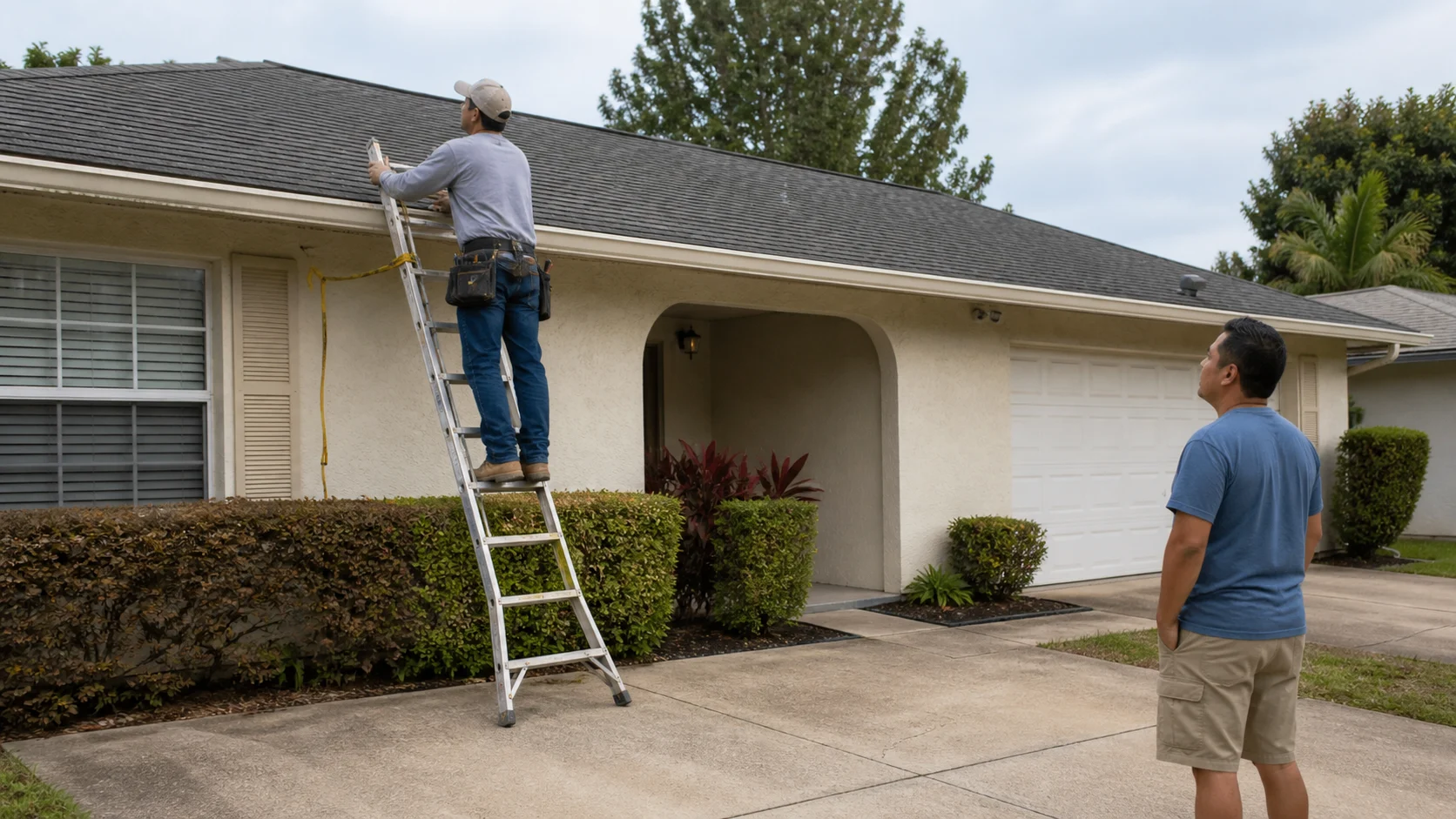
Roof Age
Which carriers accept a 15, 20, or 25-year-old roof, and what inspection rules apply.
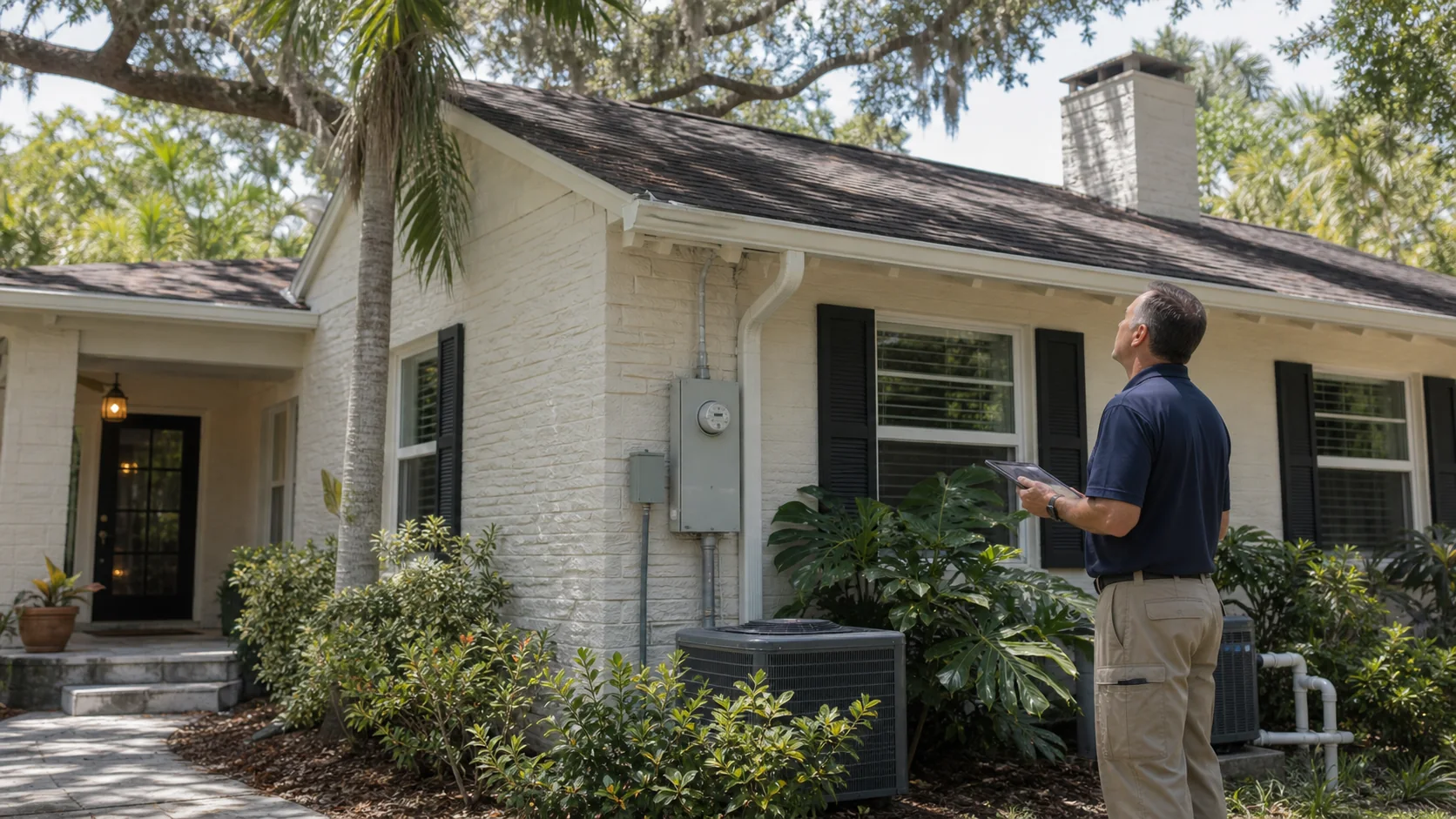
Year Built
Which carriers write older homes, and what condition standards apply by age.

Plumbing
Which carriers accept polybutylene, cast iron, or galvanized plumbing, and which decline it.
Electrical
Minimum amperage, panel brand, and wiring rules: including Federal Pacific and Zinsco panels.
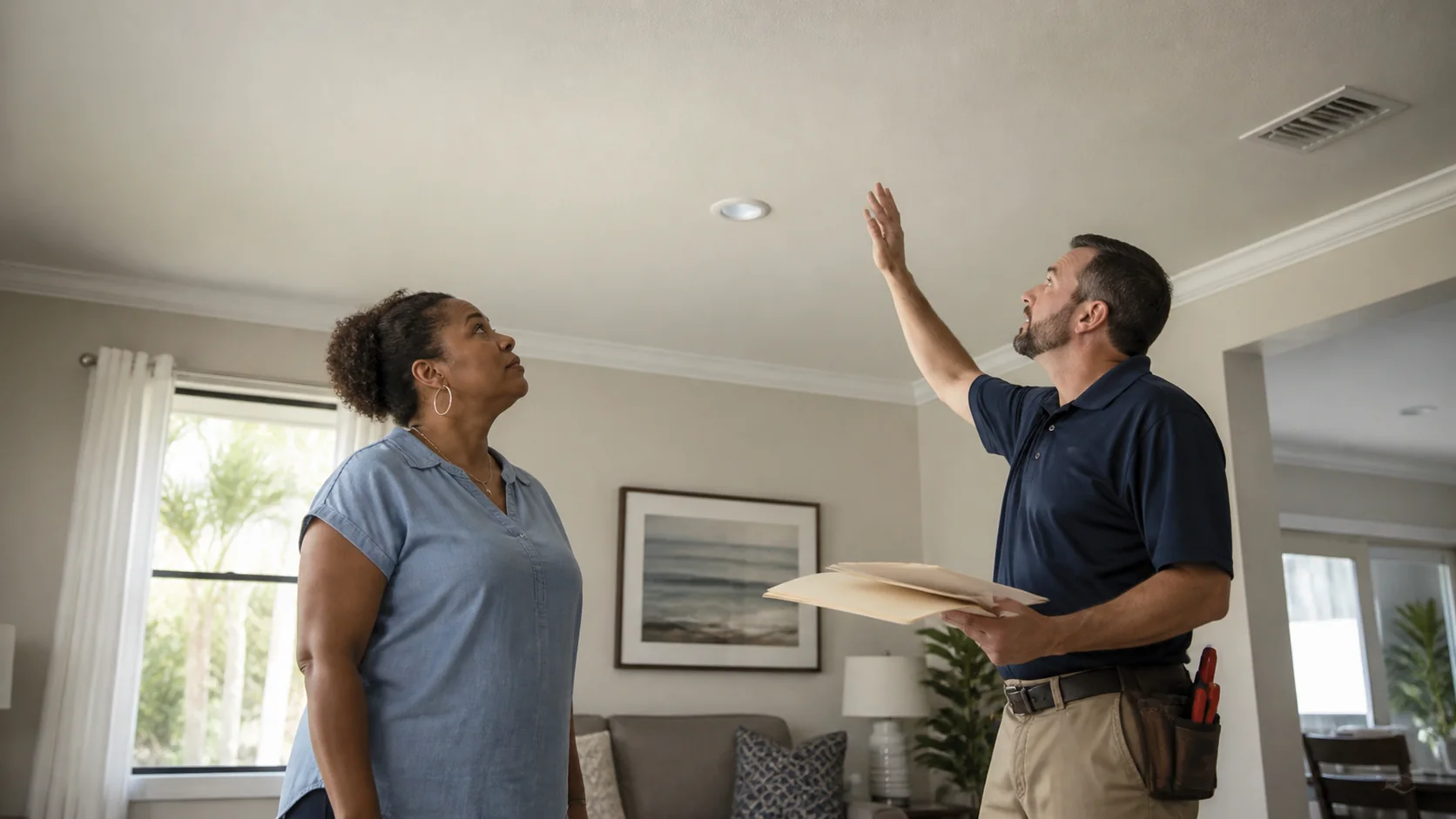
Prior Claims
How many prior claims each carrier allows, and which losses trigger an automatic decline.

Prior Insurance
How a cancellation, non-renewal, or coverage lapse can affect your application.
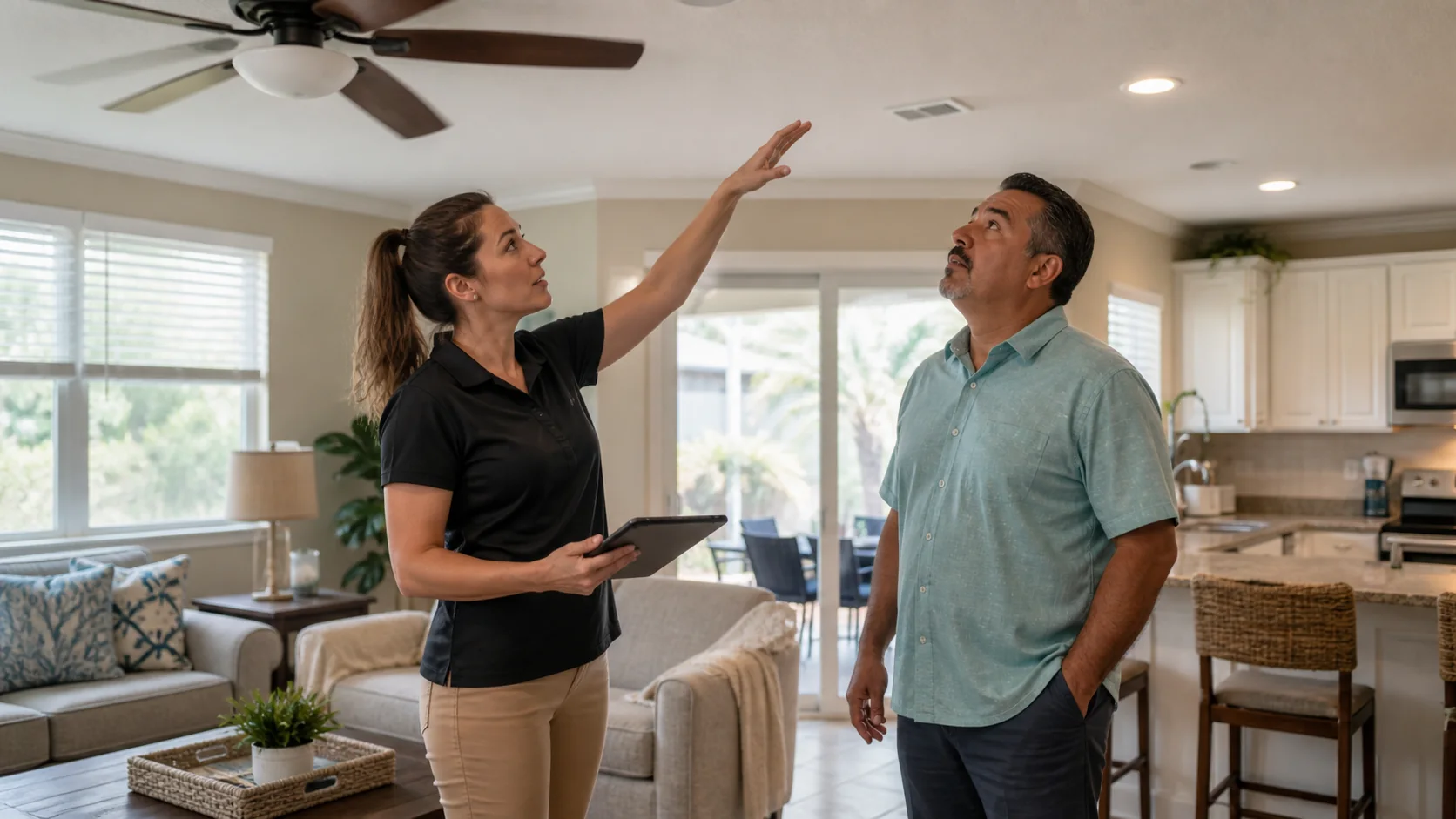
Occupancy
Which carriers write rental, short-term rental, seasonal, and vacant homes.
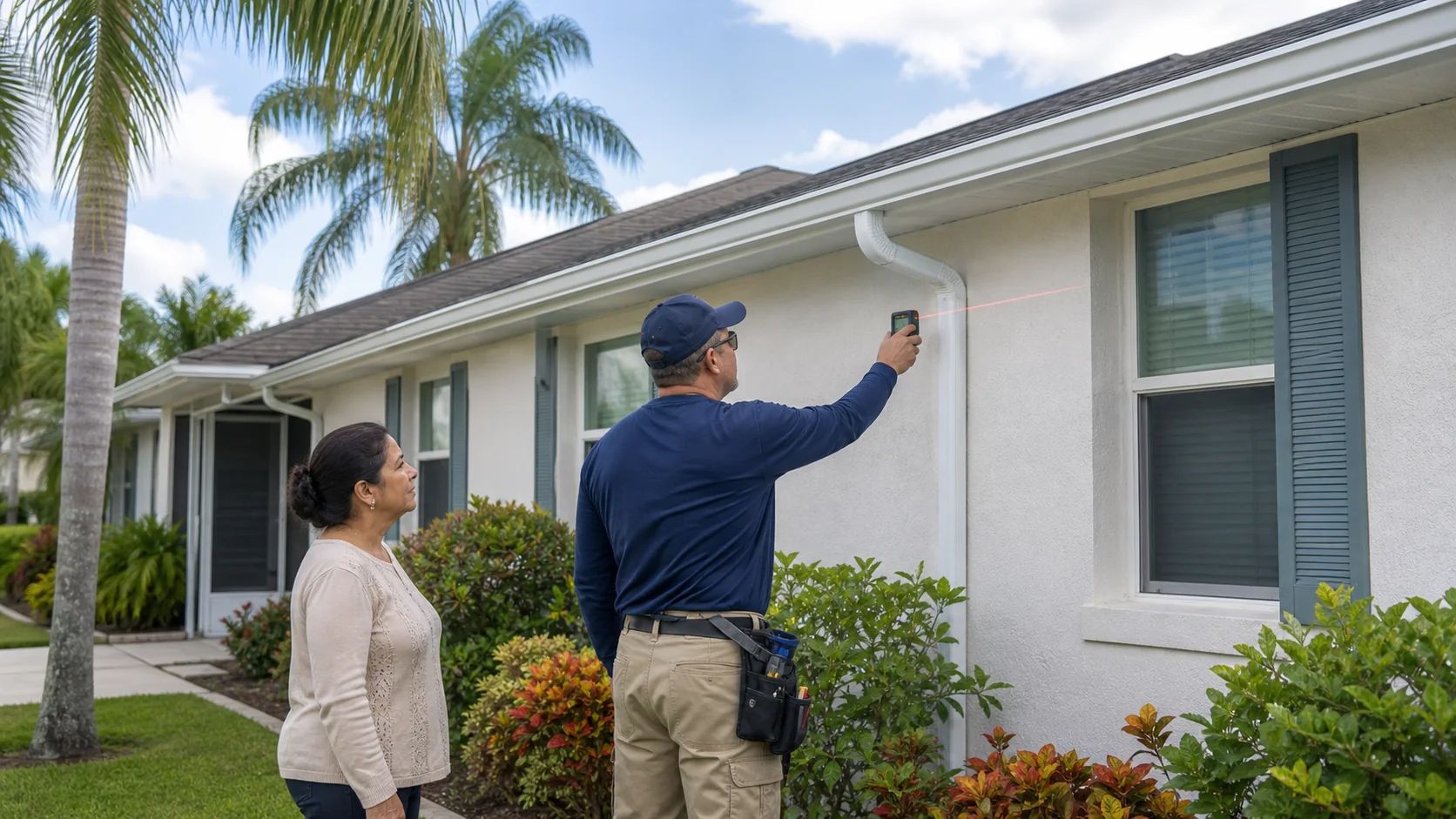
Home Value
How Coverage A dwelling limits differ from market value.
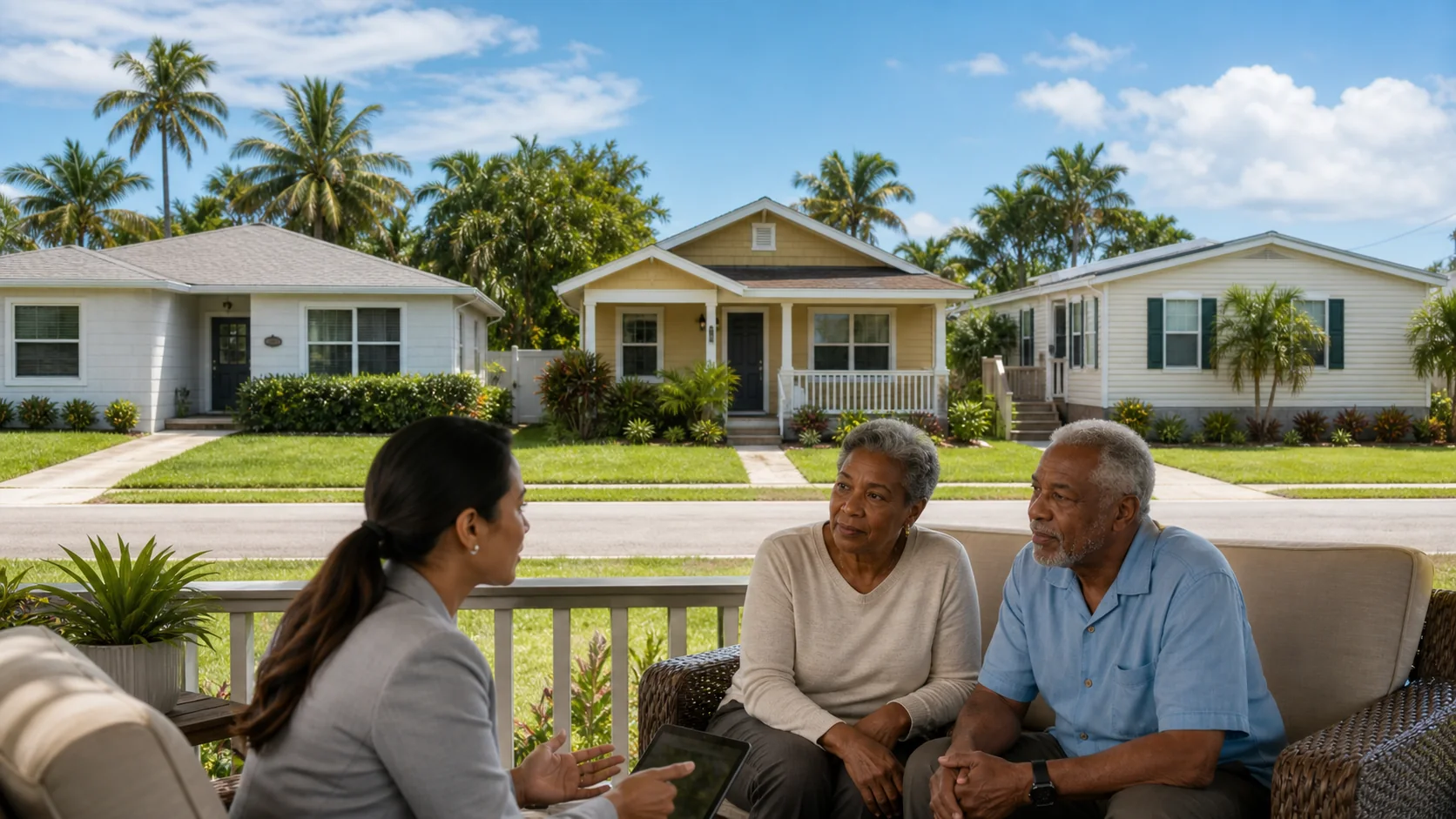
Construction Type
How frame, masonry, and manufactured or mobile home construction affects eligibility.
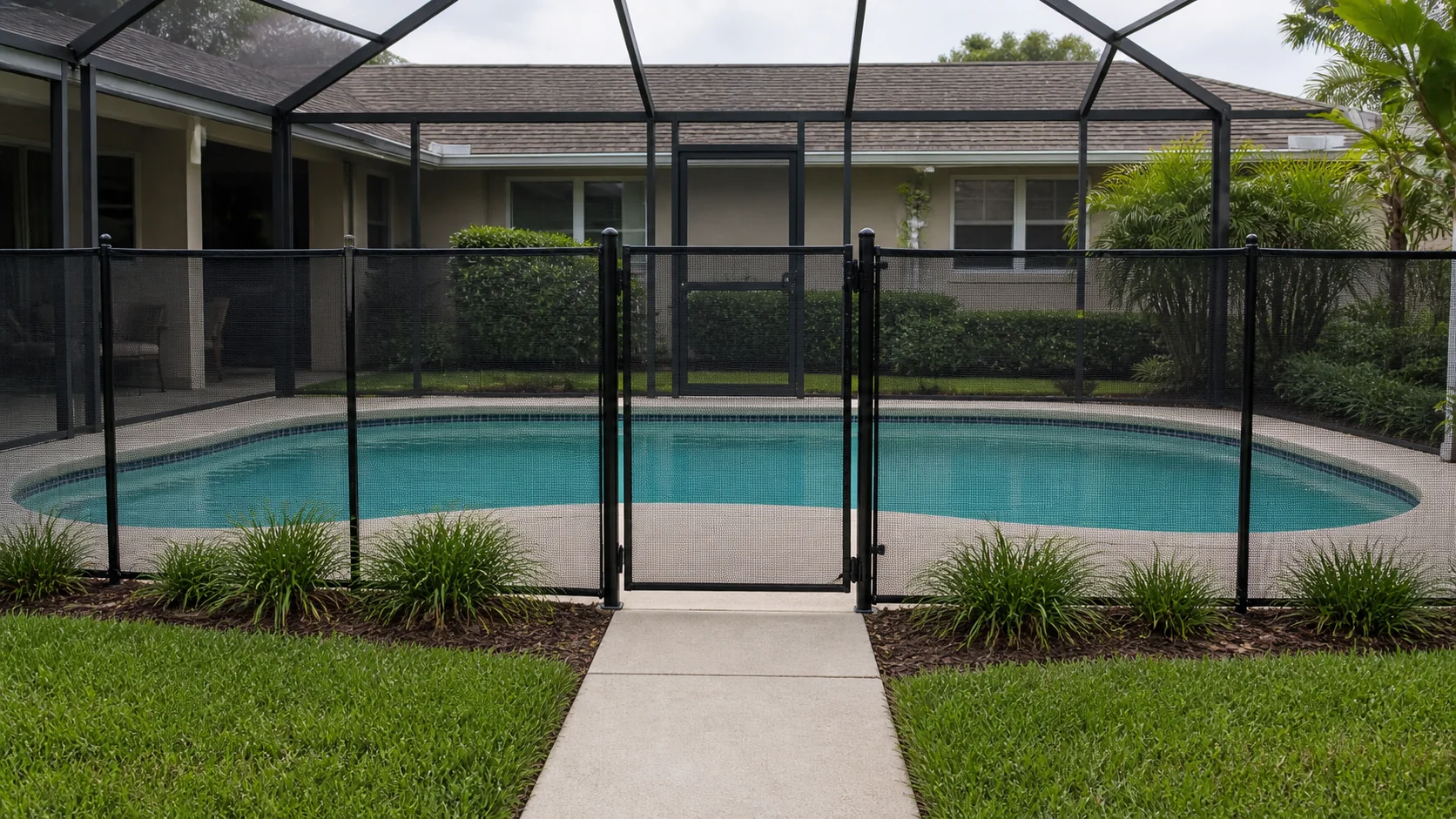
Coverage Features
How pools, trampolines, dog breeds, and other features factor into underwriting.