
Florida home insurance for an older home
An older home is not an automatic no. Carriers often focus on the current condition of the roof, wiring, plumbing, heating, and wind features.
Quick answers
Sourced from Florida DFS homeowners guidance and standard four-point inspection practices. Last verified: August 2026.
How Old Is “Too Old” for a Florida Homeowners Policy?
There is no single statewide age cutoff for homeowners insurance. Each carrier sets its own underwriting rules, and those rules are usually tied to specific systems rather than the home’s age by itself.
Two homes built the same year can be treated very differently depending on what has been replaced or updated. A home with an original 1985 roof is a different risk than one with a 1985 build date and a five-year-old roof.
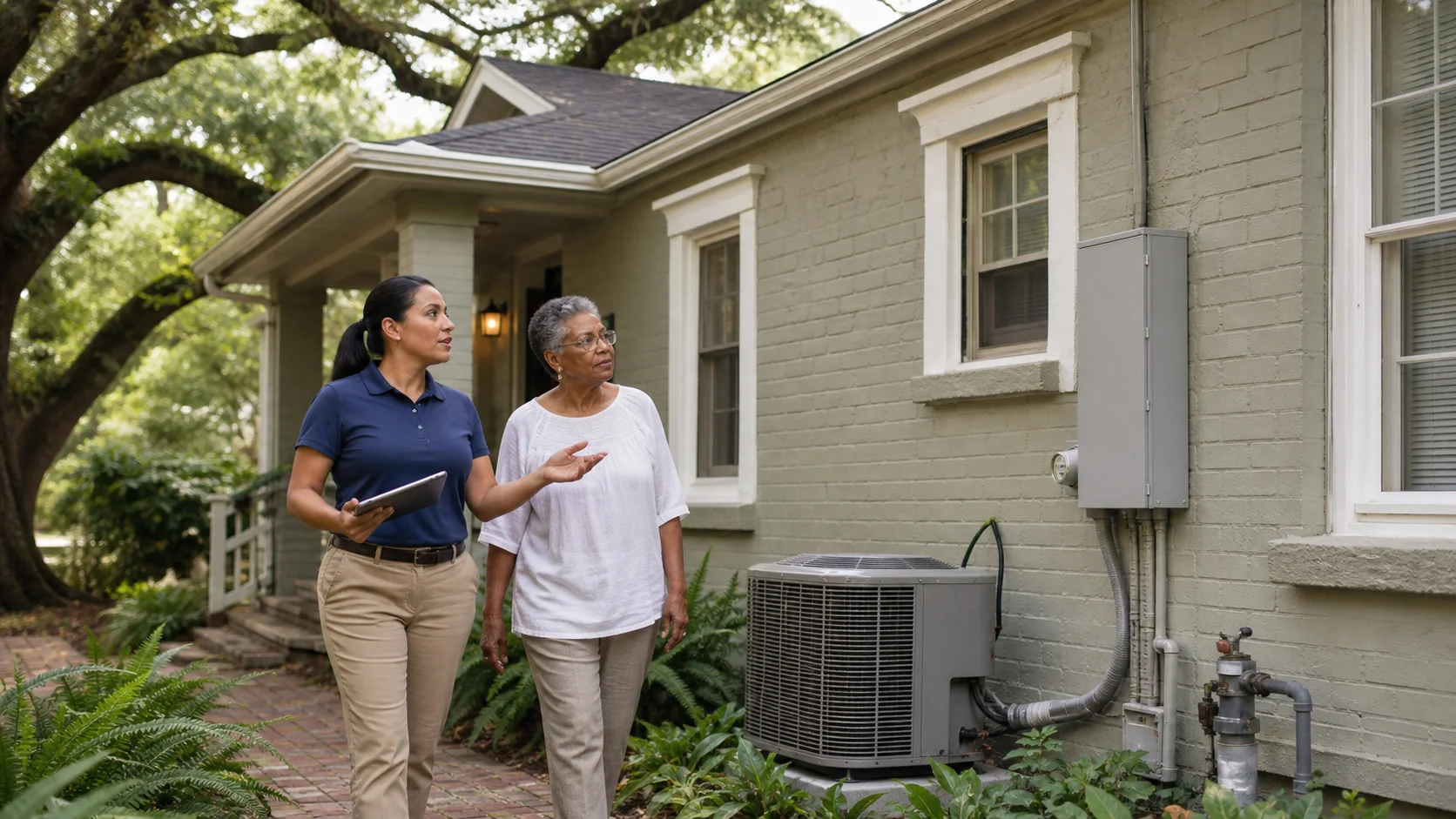
Roof Age: What Do Carriers Ask, and How Far Back Do They Look?
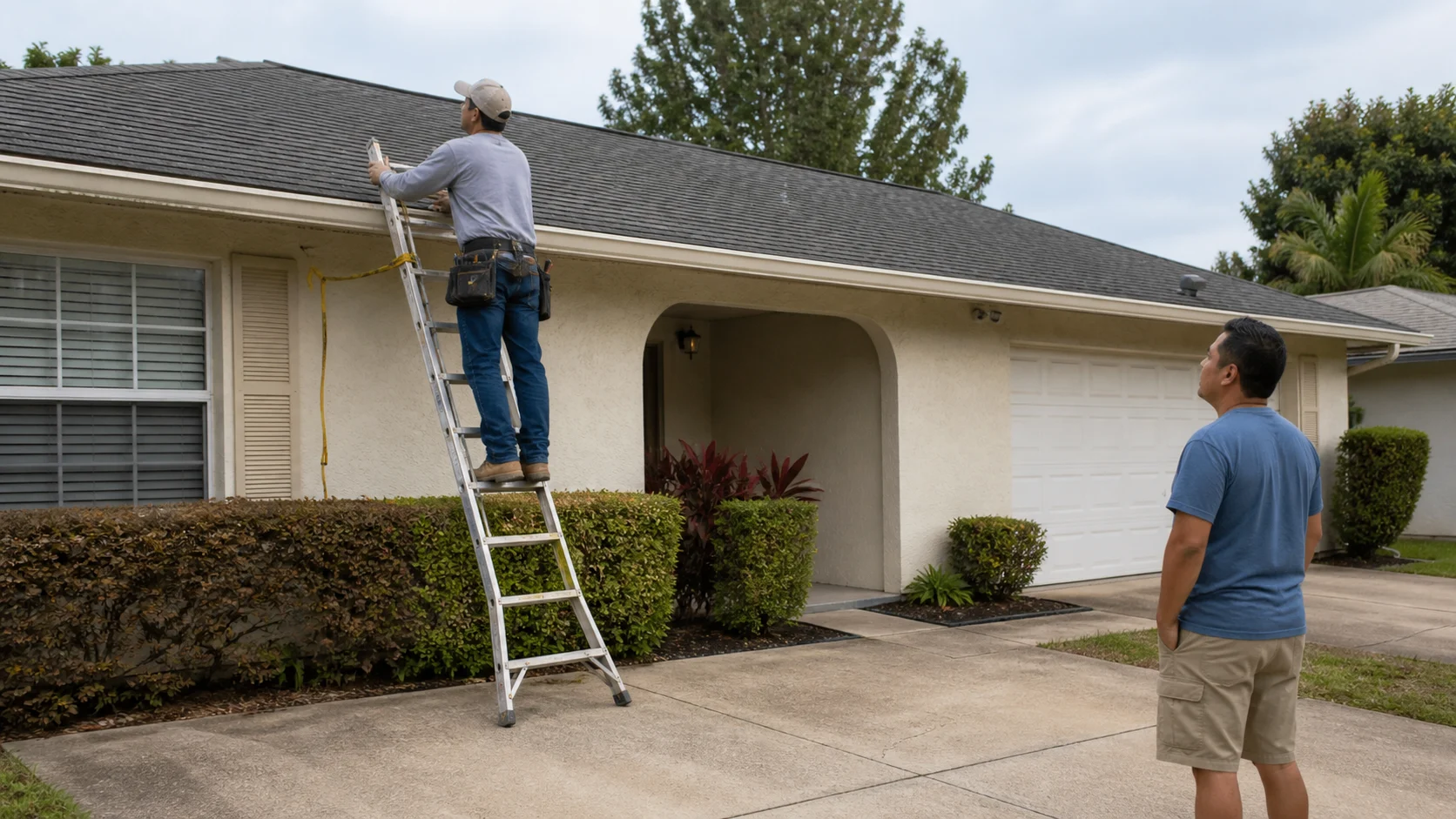
Most carriers ask for the roof’s installation year and material, and many set a maximum age, commonly somewhere in the 15 to 25 year range depending on the material, before requiring a replacement, a roof certification, or an inspection confirming remaining useful life.
Metal and tile roofs are often treated more favorably at a given age than asphalt shingle, since they generally carry longer expected service lives.
Plumbing: Why Do Polybutylene and Cast Iron Come Up on Older Homes?
Polybutylene piping, common in homes built roughly from the 1970s through the early 1990s, and older cast iron piping are both associated with a higher risk of leaks and are commonly flagged during underwriting.
A documented repipe, with a permit and a licensed contractor’s invoice, is generally the clearest way to resolve a plumbing-related decline or exclusion.
Wiring: What Happens When a Home Has Knob-and-Tube or Aluminum Branch Wiring?
Knob-and-tube wiring and aluminum branch wiring, both common in parts of the mid-20th century, are treated as elevated fire risks by many carriers and can lead to a decline or a requirement to upgrade before coverage is offered.
An electrical panel upgrade or a full rewire, documented with permits, is typically what resolves this for an older home.
What Did My Four-Point Inspection Actually Report?
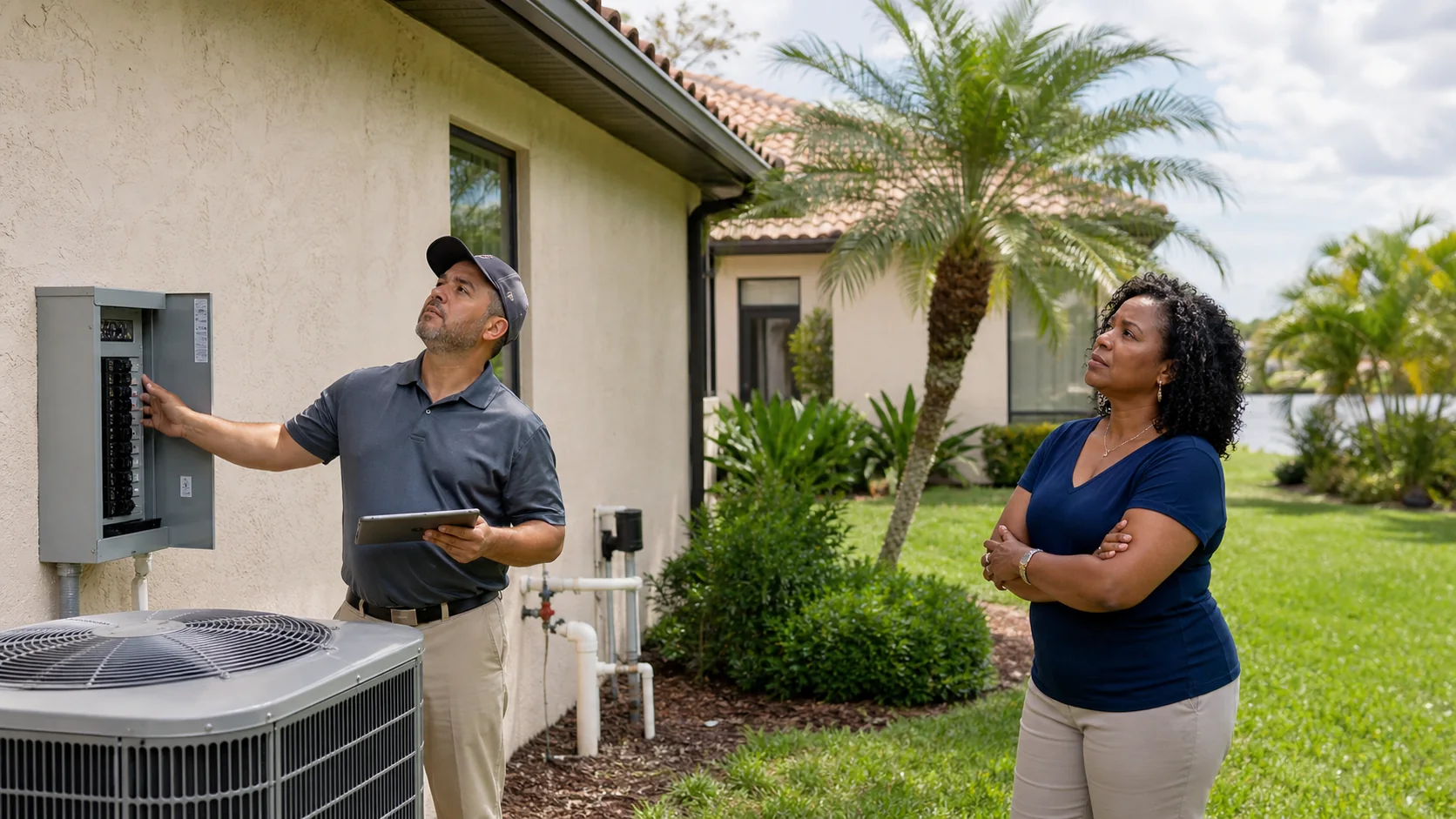
The report documents the approximate age and condition of the roof, electrical system, plumbing, and HVAC, and flags anything the carrier’s underwriters consider a concern.
Reviewing the report closely, and comparing it against any known repairs or updates, helps catch factual errors before they affect a coverage decision.
If I Was Non-Renewed Over the Home’s Age, What Are My Options?
A non-renewal tied to the home’s age or a specific system does not necessarily mean coverage isn’t available elsewhere: other carriers set different age thresholds, and some accept documented updates that a previous carrier didn’t.
Citizens Property Insurance Corporation may also be an option when comparable private-market coverage genuinely isn’t available.
Frequently asked questions
Is there a maximum age for homeowners insurance in Florida?
No single statewide maximum applies. Each carrier sets its own underwriting age and system-age rules, and they vary.
Does a four-point inspection expire?
Validity periods vary by carrier. Confirm directly with the carrier or agent handling the policy.
Can I get coverage with original plumbing still in place?
Some carriers may still write coverage with conditions attached, but this depends entirely on the individual carrier’s guidelines.
Where to go next


 Need a specific insurance company?
Get a quote from your Florida-licensed agent
Share a few details about your home, and our team will follow up to review your request and explain the next step.
- Florida-licensed agent
- Help with all property types
- No obligation
- Quotes typically back within 24 to 48 hours