
Does Tampa flood? What homeowners should know
Most Tampa flooding starts with a summer thunderstorm on flat ground. Some streets near the bay also flood with the tide, and in 2024 Helene and Milton showed what surge and river flooding can do. Here’s where and why, from city and federal sources.
Quick answers
Sourced from FEMA’s Flood Map Service Center and Community Rating System list, the City of Tampa, Hillsborough County, NOAA Tides and Currents, the National Hurricane Center, Citizens Property Insurance Corporation and FloodSmart.gov. Last verified: October 2026.
Does Tampa Flood?
Yes, and the city is upfront about why. Its stormwater flooding page lists several causes:
- Summer storms. The most common flooding in Tampa is localized, caused by high-intensity, short-duration thunderstorms in the rainy season and by tropical storms.
- Flat ground. The city says the lack of topographic relief makes it hard for water to drain quickly from the land.
- Tides. Some areas see tidally influenced flooding.
- Storm surge. Surge from tropical systems can cause the most widespread damage of all.
The city adds that blocked drains make things worse. Dumping grass clippings or debris into storm inlets can clog the system and cause flooding the next time it rains, and it’s against city code.
Where Does Tampa Flood?
According to the city’s stormwater flooding brochure, the Hillsborough River has the largest floodplain in the city, and Bayshore Boulevard and the Westshore Boulevard area can experience tidal flooding. The city also keeps a list of flood-prone properties, called the Redline List or Stormwater Advisory List, where new development may be restricted. Construction Services at (813) 274-3100 can tell you whether a lot is on it.
Tampa’s coastal flood maps were updated in 2021. FEMA lists October 7, 2021, as the effective date of the city’s current maps. You can look up an address with the city’s Flood Information Search, linked from its Flood Information page, or on the FEMA Flood Map Service Center.
For the high-tide side of the risk, NOAA’s Monthly High Tide Flooding Outlook shows the days when tides are likely to flood at gauges around Tampa Bay, up to a year ahead.
How Have Hurricanes Flooded Tampa?
The National Hurricane Center has pointed to Tampa Bay’s extreme sensitivity to storm surge, and 2024 showed how much depends on a storm’s track:
- Hurricane Helene (September 2024): Helene made landfall near Perry in the Big Bend, far to the north, and still pushed 5 to 7 feet of surge above ground into Tampa Bay. The tide gauge at East Bay reached 7.2 feet above mean higher high water (a tide reference level, not water depth on land), and Old Port Tampa 6.83 feet. Two storm-surge deaths were reported in Hillsborough County.
- Hurricane Milton (October 2024): Milton came ashore at Siesta Key on the night of October 9, and offshore winds held Tampa Bay to 1 to 2 feet of surge. NHC noted that a track less than 30 nautical miles farther north would have meant significant surge into the bay. The rain still caused widespread river and urban flooding in the St. Petersburg and Tampa area, with record-high crests on the Hillsborough River. Tampa International Airport recorded 11.73 inches of rain.
Wind direction works the other way, too. During Irma in 2017, offshore winds drained the bay, and the gauge at the McKay Bay entrance near downtown fell to more than 6 feet below normal tide levels. Ian did the same in 2022.

What Does Flood Insurance Cover After a Flood?
Homeowners policies don’t cover flood damage, as the city’s brochure points out. A flood policy covers it whether the water came from surge, the river or a street that couldn’t drain in a downpour. The NFIP counts it as a flood when water covers two or more acres of normally dry land, or two or more properties (yours being one), from overflowing inland or tidal waters or the unusual and rapid runoff of surface water.
For a home, an NFIP policy pays for:
- The building, up to $250,000: the structure and foundation, plumbing, electrical, built-in appliances and wall-to-wall carpet.
- Contents, up to $100,000, if you buy it: furniture, clothing, electronics and some portable appliances.
The city also warns that the flood policy your lender requires may not cover your belongings, so check whether yours includes contents coverage. NFIP policies leave out cars, pools, fences, decks and landscaping, money and valuable papers, and temporary housing while repairs are made.
Do You Need Flood Insurance in Tampa Outside a High-Risk Zone?
First, check whether either of these rules applies to you:
- A home in a high-risk zone with a mortgage from a federally regulated or insured lender, or a government-backed loan, has to carry flood insurance.
- Citizens adds its own rule for policies that include wind coverage: flood coverage is required in high-risk zones now, outside them once dwelling coverage is $400,000 or more, and on every such policy starting January 1, 2027. Condo unit-owner and renters policies are exempt. The Citizens flood requirement guide has the dates.
If neither applies, the city’s brochure is clear on its view: flood insurance is a good value even when your lender doesn’t require it. FloodSmart says almost one-third of NFIP claims from 2014 to 2024 came from outside high-risk flood areas, and Milton’s rain caused widespread river and urban flooding in 2024.
Tampa has been in the NFIP since 1991. FEMA lists the city as a Class 5 community in its Community Rating System, which takes 25% off NFIP premiums for policies in high-risk zones and 10% off outside them.
How Do You Get Ready Before Flood Season?
- Buy early. A new NFIP policy usually takes 30 days to start, unless you buy it with a new or refinanced mortgage.
- Sign up for alerts. Alert Tampa is the city’s free emergency alert system, with texts, emails and calls. Hillsborough County runs HCFL Alert as well.
- Know the sandbag rules. Under the city’s sandbag policy, sandbags are handed out only after an emergency declaration, ten per property owner per storm, with ID showing you live in the city.
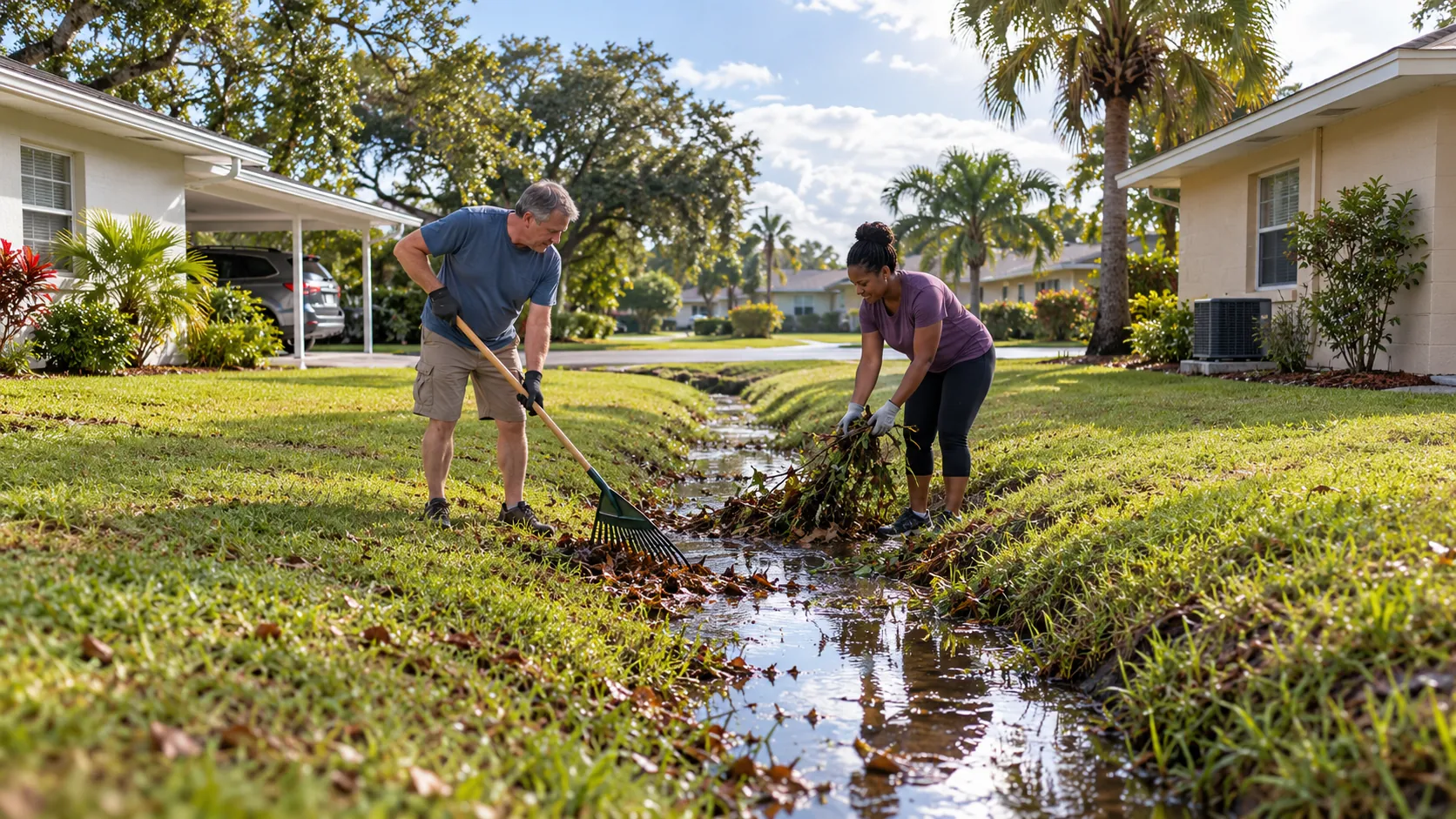
- Keep drains clear. Blow grass clippings back onto the lawn, and keep debris out of inlets and ditches. The city suggests berms or swales to steer water away and gutters that drain away from the house.
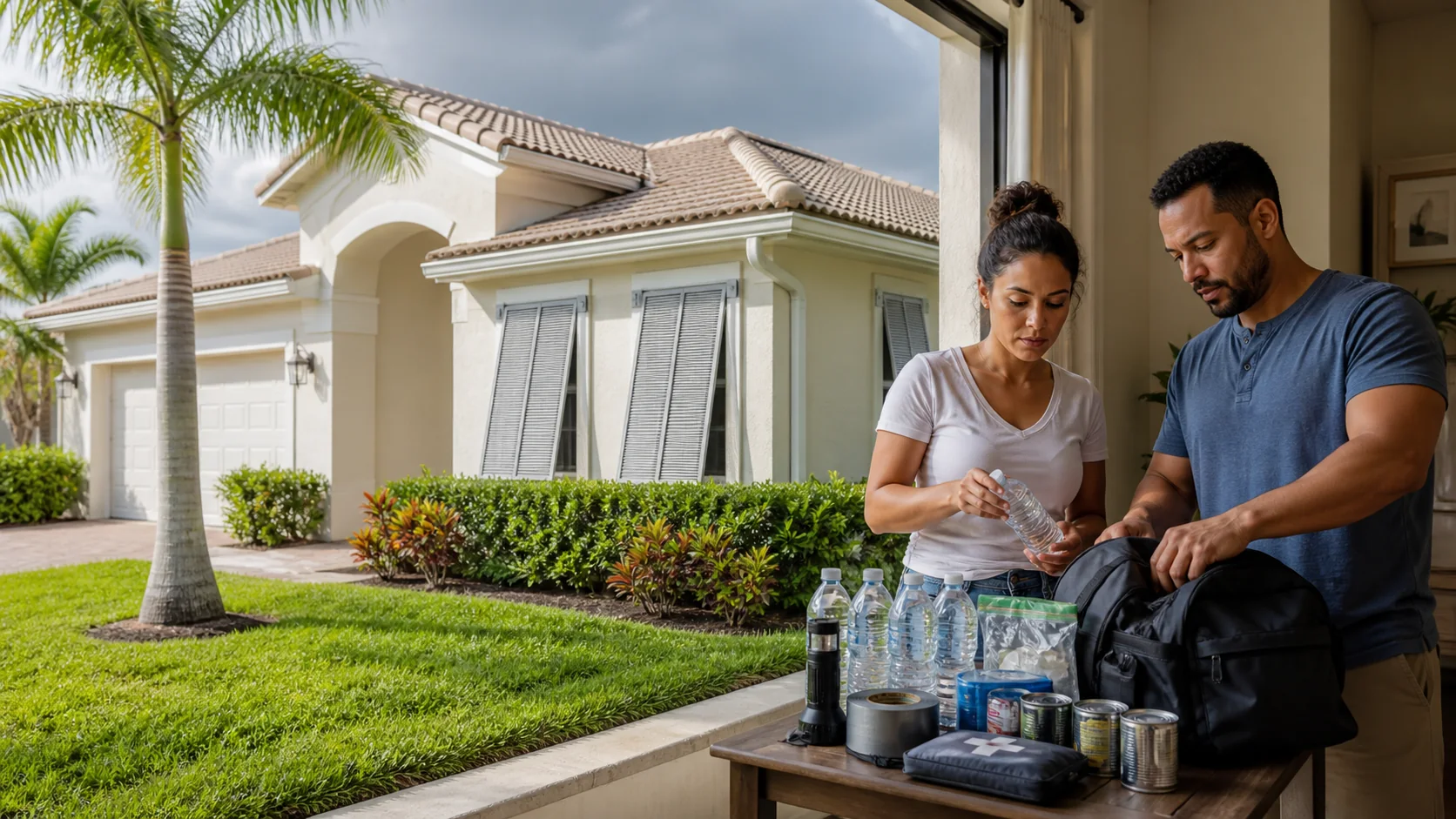
- Get your records together. Photograph your rooms and belongings, and keep your policy handy. The hurricane preparedness checklist covers the rest.
Local Flood Resources for Tampa
- City Stormwater: (813) 274-3101, 24 hours a day, for street flooding and drainage problems. You can also report flooding online from the Flooding Issues page. The Stormwater Division can schedule a site visit.
- City Construction Services: (813) 274-3100, option 1, for flood zones and building rules. Its Flood Information page links the city’s Flood Information Search.
- City flooding page: causes of flooding, flood protection and safety tips.
- Emergency alerts: Alert Tampa and HCFL Alert.
- FEMA: the FEMA Flood Map Service Center has the official map for your address.
- County guide: Hillsborough County flood insurance guide.
Frequently asked questions
Why does Tampa flood when it doesn’t rain?
Some parts of the city, including the Bayshore Boulevard and Westshore areas, can flood with the tide. Storm surge can also reach the bay shore from a storm that stays far away, as Helene did in 2024 after making landfall near Perry.
Is Tampa in a flood zone?
Every address has a FEMA flood zone, and many Tampa homes are in moderate- or low-risk X zones. The Hillsborough River has the city’s largest floodplain. Check yours with the city’s Flood Information Search or the FEMA Flood Map Service Center.
Does flood insurance cover king tide flooding?
It can. The NFIP’s definition of a flood includes the overflow of tidal waters across two or more acres or two or more properties. The water has to damage your insured home or belongings, so a flooded street alone isn’t a claim.
Can I buy flood insurance right before a storm?
You can buy it, but an NFIP policy usually won’t start for 30 days, so it won’t cover a storm that’s already forecast. The wait is waived when the policy is bought with a new or refinanced mortgage.
Does car insurance cover a flooded car?
Flood insurance doesn’t cover cars. Any coverage would come from your auto policy, so ask your auto insurer whether you have comprehensive coverage, and keep the car out of standing water.
Who do I report street flooding to in Tampa?
Call the city’s Stormwater line at (813) 274-3101, staffed 24 hours a day, or use the Flooding Issues form online. Give the street and the two nearest cross streets so the city can find it quickly.
 Questions about your coverage?
Get a quote from your Florida-licensed agent
Share a few details about your home, and our team will follow up to review your request and explain the next step.
- Florida-licensed agent
- Help with all property types
- No obligation
- A licensed agent reviews your request and follows up directly
Where to go next
Hillsborough County flood guide
Flood zones, map changes and CRS discounts across Hillsborough County.
Hurricane preparedness
Policies, documents and photos to have ready.

NFIP flood insurance
Limits, waiting periods and deductibles in the federal program.

Citizens flood requirement
Dates, limits and the proof Citizens asks for.