Does Daytona Beach flood? What homeowners should know
Daytona Beach floods from two sides: heavy rain that collects in low inland neighborhoods, and storm surge pushing up the Halifax River. Here’s where and why, from city, county and federal sources, and what flood insurance pays for.
Quick answers
Sourced from FEMA’s Flood Map Service Center and Community Rating System list, the City of Daytona Beach, Volusia County Emergency Management, NOAA Tides and Currents, the National Hurricane Center, Citizens Property Insurance Corporation and FloodSmart.gov. Last verified: October 2026.
Does Daytona Beach Flood?
Yes, in two different ways. The City of Daytona Beach’s Flood Protection page says the city is subject to flooding from the Atlantic and the Halifax River by storm surge. Surge on top of the tide raises water levels along the coast, and it can push stormwater back upstream into low areas that would normally drain to the Halifax.
Rain is the other half. The city explains that FEMA’s flood maps show the areas expected to be under water when 11 inches of rain falls in one day, the storm that has a 1% chance of happening in any year. Hurricane Ian dropped nearly twice that on Daytona Beach over the course of one storm.
Where Does Daytona Beach Flood?
The city names one area above the rest: the low ground generally bounded by Nova Road, Orange Avenue, US 1 and Beville Road, which the city calls “the bowl.” The city says the Florida Department of Transportation’s Nova Canal, which runs along the east side of Nova Road, is the major cause of flood damage there.
The city’s worst recent example came without a named storm. During an unnamed flood in May 2009, 790 structures in the city flooded. The Nova Canal overtopped its banks and backed up through the drainage outfalls into the neighborhoods around it.
The flood maps reflect both risks. On its FIRM Maps page, the city says the biggest changes on the 2014 FEMA maps were near Beville Road, Mason Avenue, US 1 and Nova Road, and the biggest changes on the 2017 maps were in areas next to the Halifax River. FEMA lists September 29, 2017, as the effective date of the city’s current maps.
How Have Hurricanes Flooded Daytona Beach?
The National Hurricane Center’s reports on recent storms show both kinds of flooding:
- Hurricane Matthew (October 2016): an estimated 4 to 6 feet of flooding above ground level in Volusia County as the storm moved up the coast.
- Hurricane Ian (September 2022): 21.49 inches of rain at Daytona Beach. NHC found that flooding of inland neighborhoods and intracoastal communities in Flagler and Volusia counties was largely the result of that rain. In Volusia County, 40 buildings were destroyed and 1,378 were damaged.
- Hurricane Nicole (November 2022): Nicole came ashore near Vero Beach, and beach erosion damaged beachfront buildings in Wilbur-by-the-Sea, just south of Daytona Beach.
- Hurricane Milton (October 2024): heavy rain fell from Tampa Bay to Daytona Beach, including 17.20 inches near Ormond Beach.
If you live inland, Ian is the storm to keep in mind: the hurricane center tied the inland flooding to rain, and homeowners policies exclude rain flooding the same way they exclude surge.
What Does Flood Insurance Cover After a Flood?
The City of Daytona Beach puts it directly: homeowners policies don’t cover damage from rising water. A flood policy does, whether the water came from the Halifax, the ocean or a canal that overflowed. To the NFIP, a flood is water covering two or more acres of normally dry land, or two or more properties (one of them yours), from overflowing inland or tidal waters or the unusual and rapid runoff of surface water.
An NFIP policy for a home pays for:
- The building, up to $250,000, including the foundation, plumbing and electrical systems, built-in appliances and wall-to-wall carpet.
- Contents, up to $100,000, if you add it: furniture, clothes, electronics and similar belongings.
Some things stay outside the policy: cars, fences, decks, pools, seawalls and landscaping, cash and valuable papers, and hotel or rental costs while repairs are made. A private flood policy may cover some of those extras, so compare before you buy.
Do You Need Flood Insurance in Daytona Beach Outside a High-Risk Zone?
Volusia County says every property in the county is in a FEMA flood zone. For most homes the question is whether that zone is high risk (A or V) or moderate to low risk (X).
- In a high-risk zone, a federally regulated or insured lender, or a government-backed loan, has to require flood insurance.
- Citizens requires flood coverage on policies with wind coverage in high-risk zones, outside them when dwelling coverage is $400,000 or more, and on every such policy from January 1, 2027. See the Citizens flood requirement guide.
Outside those rules it’s optional, though the city says all residents and businesses in areas vulnerable to flooding should have flood insurance. FloodSmart reports that almost one-third of NFIP claims from 2014 to 2024 came from outside high-risk areas. The May 2009 flood in the bowl, which reached 790 structures, came without a named storm.
The price helps. FEMA lists Daytona Beach as a Class 5 community in its Community Rating System since October 1, 2024, which takes 25% off NFIP premiums for policies in high-risk zones and 10% off outside them.
How Do You Get Ready Before Flood Season?
- Buy before you need it. Volusia County’s flood zone and risk page says policies take 30 days to go into effect, so don’t wait for a storm. The wait doesn’t apply when you buy with a new or refinanced mortgage.
- Know your zone. Look up your address on the FEMA Flood Map Service Center, or ask the city’s Utilities Engineering Division for a flood zone determination.
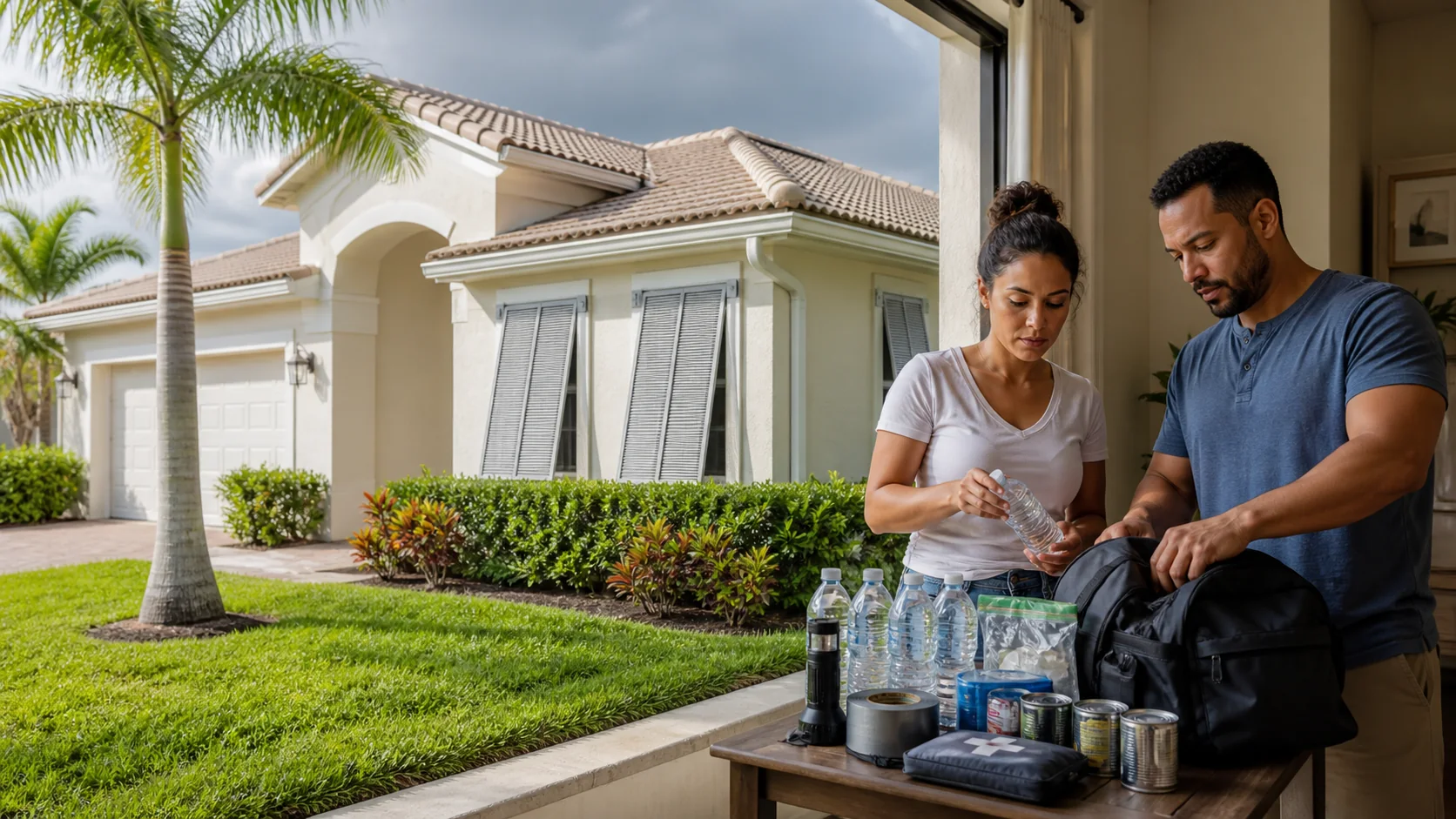
- Make a plan. The city’s Prepare for a Flood page suggests a flood plan with high ground or inland places to go, a kit with at least three days of supplies, and a NOAA Weather Radio for warnings.
- Check the tides. NOAA’s Monthly High Tide Flooding Outlook shows days when high tides are likely to flood at nearby gauges.
- Document everything. The city recommends photographing damage for insurance after a flood. Photos of your rooms before a storm help too. The hurricane preparedness checklist covers the rest.
Local Flood Resources for Daytona Beach
- City Utilities Dispatch: 386-671-8815 for local flooding problems. On request, the city makes site visits to review drainage and flooding problems.
- City Utilities Engineering Division: 386-671-8807 for flood zone determinations. The city’s FIRM Maps page links its map viewers.
- City Flood Protection page: flood sources, the Nova Canal and property protection.
- Volusia County Emergency Management: the flood zone and risk page links FEMA’s address search. Main line 386-736-2700.
- County guide: Volusia County flood insurance guide.
Frequently asked questions
Why does Daytona Beach flood when it doesn’t rain?
Storm surge and high tides can push water up the Halifax River, and the city says that can force stormwater back upstream into low areas that normally drain to the river.
Is Daytona Beach in a flood zone?
Every property in Volusia County is in some FEMA flood zone, according to the county. Many are in moderate- or low-risk X zones. Check your address on the FEMA Flood Map Service Center or call the city’s Utilities Engineering Division at 386-671-8807.
Does flood insurance cover king tide flooding?
It can, if tidal water overflows onto two or more acres or two or more properties and damages your insured home or belongings. Water that stays in the street or yard isn’t a claim.
Can I buy flood insurance right before a storm?
You can, but an NFIP policy usually takes 30 days to start, so it won’t cover a storm that’s already forecast. Volusia County gives the same warning on its flood page.
Does car insurance cover a flooded car?
Flood insurance doesn’t cover cars. Any coverage would come from your auto policy, so ask your auto insurer whether you carry comprehensive coverage. The city also warns that less than two feet of moving water can sweep a car away.
Who do I report street flooding to in Daytona Beach?
Call the city’s Utilities Dispatch at 386-671-8815. The city says it can also send someone to look at a drainage or flooding problem at your property and give advice.
 Questions about your coverage?
Get a quote from your Florida-licensed agent
Share a few details about your home, and our team will follow up to review your request and explain the next step.
- Florida-licensed agent
- Help with all property types
- No obligation
- A licensed agent reviews your request and follows up directly
Where to go next
Volusia County flood guide
Flood zones, CRS discounts and storm history across Volusia County.
Hurricane preparedness
Policies, documents and photos to have ready.

NFIP vs private flood
Limits, waiting periods and living expenses side by side.

Citizens flood requirement
Dates, limits and the proof Citizens asks for.