What is water backup coverage?
Water backup coverage may help when water backs up through a sewer, drain, or sump system. Many home policies exclude or limit this loss unless an endorsement adds coverage.
Quick answers
What is water backup coverage, and is it part of a base policy or an add-on?
Water backup coverage, sometimes labeled “water backup and sump discharge or overflow” on a declarations page, pays for damage caused by water or waterborne material that backs up through a sewer or drain, or that overflows or discharges from a sump pump, sump well, or related equipment. A standard Florida HO-3 policy does not include this coverage. Most carrier base forms specifically exclude water damage caused by backups and overflows from outside the dwelling’s own plumbing system. That’s why insurers sell it as an optional endorsement with its own separate limit, shown on its own line of the declarations page rather than folded into the dwelling or personal property limit. If a homeowner never adds the endorsement, a backup or sump overflow claim is typically denied outright, regardless of how much dwelling coverage the policy carries.
How is water backup different from sudden plumbing discharge, and from flood?
These three categories get confused constantly, and the distinction comes down to where the water starts and how it moves. Sudden and accidental discharge is a standard covered peril on most HO-3 policies: it applies when a pipe, water heater, or appliance inside the home suddenly fails, a burst supply line or a washing machine hose letting go, and water escapes from that fixture. Water backup is different: it applies when water that has already left the home’s plumbing, or entered a municipal or septic line, reverses direction and comes back up through a drain, toilet, or floor drain, or when a sump pump can’t keep pace and its collection well overflows into the home. Flood is different again. It’s water that enters the home from outside (storm surge, an overflowing canal, or surface water pooling from heavy rain) and it’s excluded from every homeowners policy without exception. Flood requires a separate flood insurance policy, typically written through the NFIP or a private flood carrier. A water backup endorsement doesn’t substitute for one, and neither pays for the other’s cause of loss. For how a base HO-3 treats sudden internal failures and their coverage caps, see the companion page on the water damage limit.
What limits do Florida carriers typically make available for this endorsement?
Where the endorsement is offered, carriers generally let the homeowner choose a limit, most commonly somewhere in a $5,000 to $25,000 range per occurrence, with some carriers offering options up to $50,000 or higher for an added premium. The limit chosen is a hard cap separate from the dwelling and personal property limits elsewhere on the policy: a $10,000 water backup limit pays out no more than $10,000 total for a covered backup loss, even if the dwelling coverage on the same policy is far larger. Premium for the endorsement is usually modest relative to the protection it adds, but it scales with the limit selected and the deductible attached to it. A finished lower level, garage conversion, or slab-on-grade home can generate cleanup, demolition, and reconstruction costs that exceed a low endorsement limit quickly. It’s worth checking the specific dollar limit offered rather than assuming any water backup line item provides full protection.
Does the endorsement address the failed line itself, or only the resulting damage?
Only the resulting damage, in almost every case. A water backup endorsement is written to pay for the property damage the backup or overflow causes (damaged flooring, drywall, cabinetry, and personal belongings) not the mechanical or plumbing failure that caused it. If a sump pump burns out or a sewer line collapses, the endorsement generally does not cover the cost of repairing or replacing that pump or line. It covers the water damage the failure produced. This mirrors how a sudden-discharge claim for a burst pipe pays to repair the water damage but not to replace the pipe itself. Some carriers offer the cost to repair failed mechanical equipment under a separate equipment breakdown endorsement, which is a different coverage with its own limit and terms. A homeowner filing a water backup claim should expect the payout to cover cleanup and rebuild, and expect the plumbing or pump repair itself to be an out-of-pocket cost unless another endorsement applies.
What does a sump pump failure fall under?
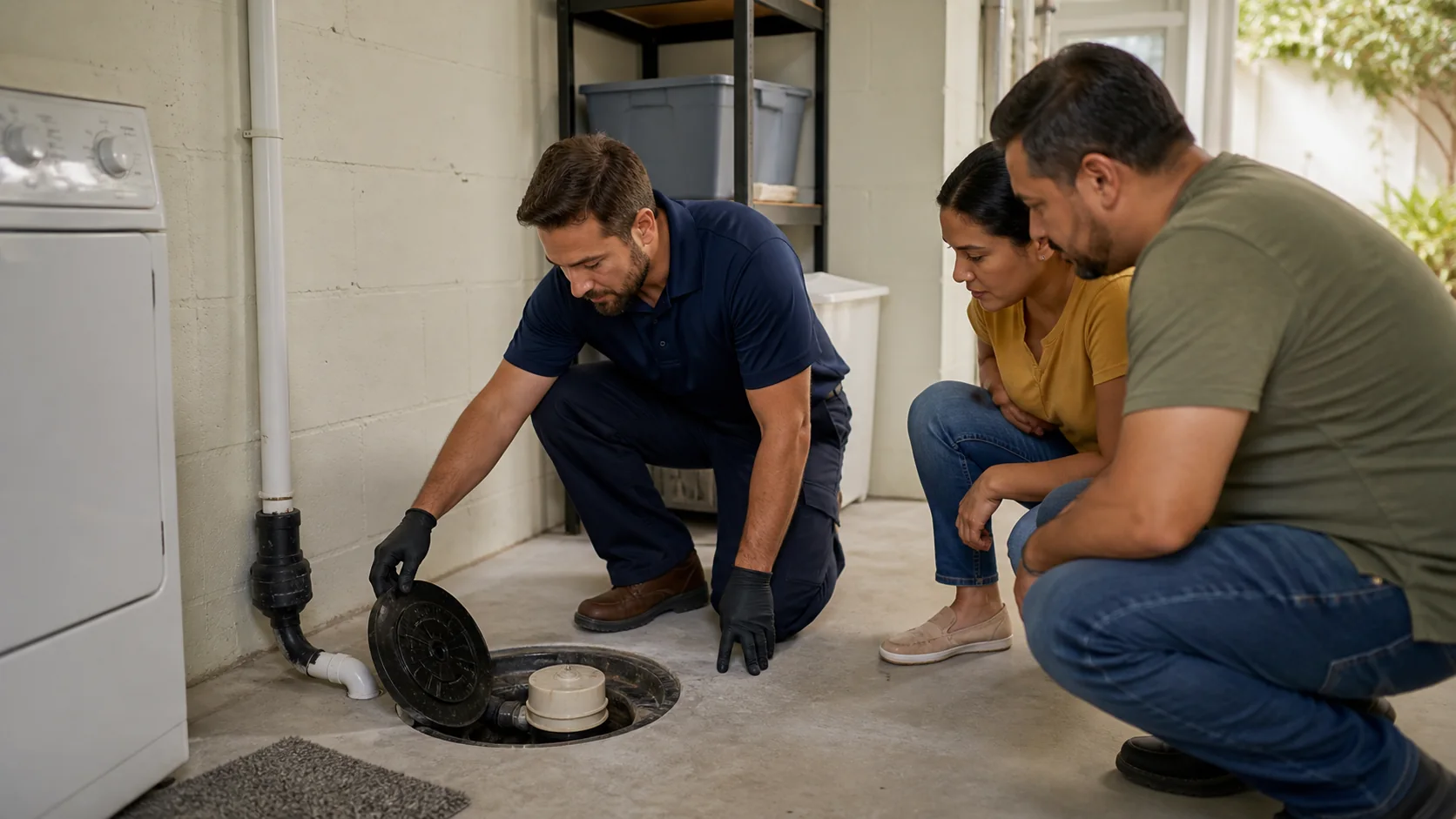
In most cases, sump pump overflow and failure are written into the same water backup endorsement rather than requiring a separate purchase: carrier forms commonly title the coverage “water backup and sump discharge or overflow” as a single unit. That typically includes overflow caused by mechanical breakdown of the pump itself, or by a power outage that leaves the pump unable to run during a storm. Both are common scenarios in Florida, given how many homes with low-lying lots or below-grade spaces rely on sump systems. As with sewer and drain backups, the endorsement pays for the water damage the overflow causes to the home and its contents, not the cost of repairing or replacing the pump. Because some carriers apply different limits or slightly different language to sump-related losses versus sewer and drain losses within the same endorsement, it’s worth reading the endorsement text rather than assuming both scenarios are treated identically.
Which carriers publish a water backup option: and where to check
Not every Florida carrier offers this endorsement, and among those that do, the available limits, deductibles, and premium vary by company. Whether a given carrier sells water backup coverage, and at what limits, is listed in that carrier’s endorsement or optional coverage schedule rather than in generic marketing copy. The most reliable way to confirm availability is to check the specific carrier’s coverage documents or ask directly when quoting. The carrier directory on this site lists which companies write in Florida and links to what’s publicly available about each carrier’s forms. Use it as a starting point, then verify current availability and limits with the carrier or agent before assuming a policy includes or excludes this coverage.
Frequently asked questions
Is water backup coverage required in Florida?
No. It’s an optional endorsement, and no state or lender rule requires it, though a mortgage lender may separately require flood insurance if the home sits in a mapped flood zone: a different coverage entirely.
If I don’t have this endorsement, is a sewer backup ever covered another way?
Generally no. Without the endorsement, damage from a backup or sump overflow is typically excluded outright, regardless of the cause, and no other standard coverage on the policy steps in to pay it.
Does water backup coverage pay to snake a clogged drain or unclog a sewer line?
No. It pays for the property damage a backup causes once it has already happened, not routine drain maintenance or the cost of clearing a clog before damage occurs.
Is mold that grows after a water backup covered under this endorsement or somewhere else?
Mold resulting from a covered water backup loss is typically addressed under the policy’s separate mold coverage terms and its own sublimit, not folded into the water backup limit. See the companion page on mold coverage for how that limit works.
Can I raise my water backup limit if I think $5,000 or $10,000 isn’t enough?
In most cases yes, where the carrier offers tiered limit options; ask what limits are available and what the incremental premium is for each, since a higher limit is often inexpensive relative to potential cleanup and rebuild costs.
Does a water backup endorsement cover a septic system backup?
Coverage for septic-related backups depends on the specific endorsement language, and not all forms treat septic and municipal sewer backups identically. Confirm with the carrier’s endorsement text rather than assuming they’re covered the same way.
 Need a specific insurance company?
Get a quote from your Florida-licensed agent
Share a few details about your home, and our team will follow up to review your request and explain the next step.
- Florida-licensed agent
- Help with all property types
- No obligation
- Quotes typically back within 24 to 48 hours