What does Coverage B cover?
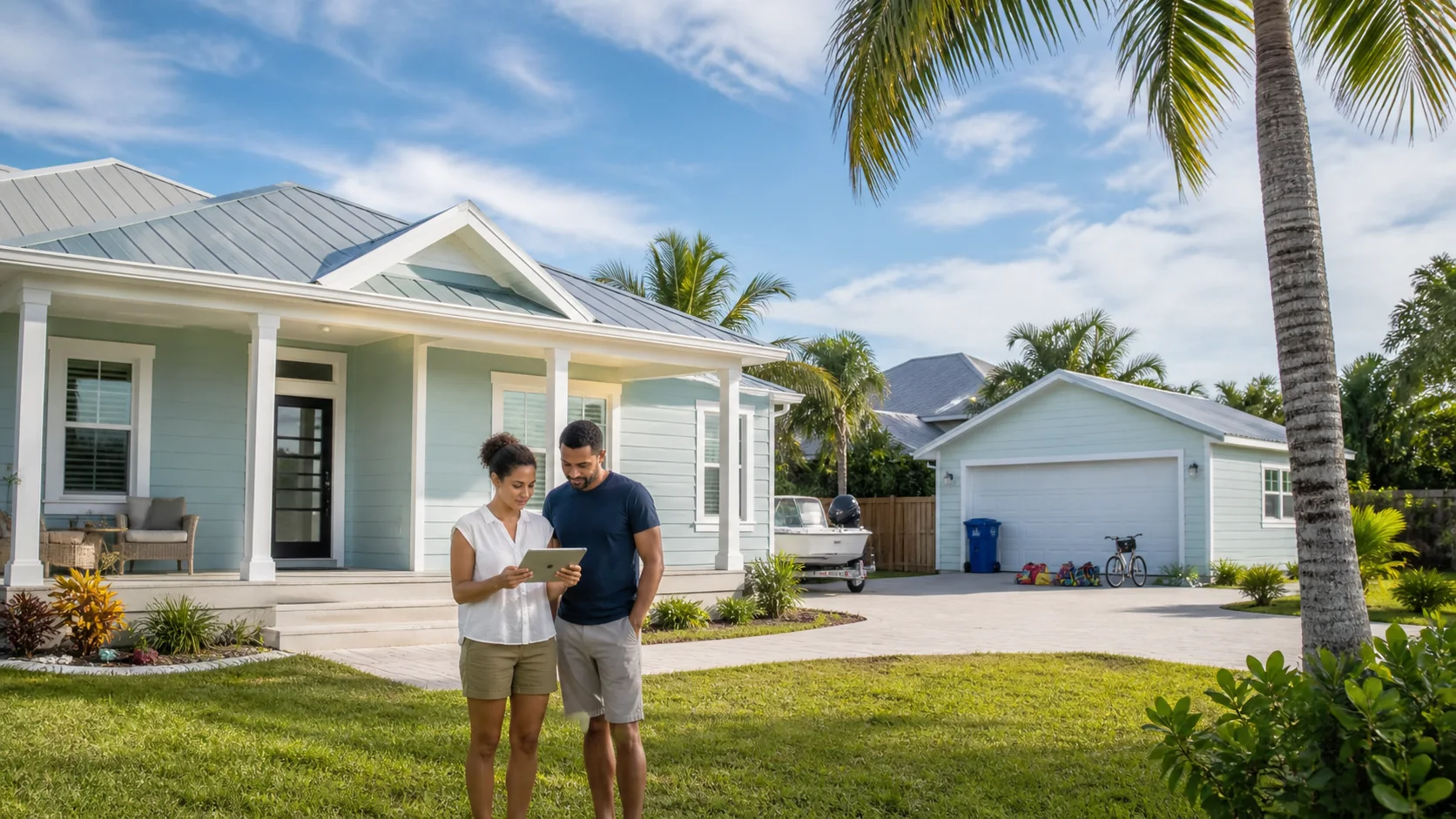
Coverage B may protect structures on the insured land that are not attached to the home. Common examples are a detached shed, fence, or detached garage.
Quick answers
What counts as an “other structure” on a homeowners policy?
A standard HO-3 homeowners policy splits property coverage into two lines. Coverage A insures the dwelling itself: the house and anything attached to it, like an attached garage or a built-in deck. Coverage B, labeled “Other Structures” on the declarations page, insures structures on the same property that are not attached to the house by so much as a wall, fence line or roof. That typically includes a detached garage or workshop, a storage shed, a fence, a freestanding gazebo or pergola, a mailbox, a detached carport, a guesthouse or pool house, and paved surfaces like a driveway or walkway. The dividing line is physical connection to the dwelling: a carport bolted to the side of the house generally falls under Coverage A, while the same structure standing a few feet away falls under Coverage B. Coverage B is not optional or purchased separately. It is bundled into every standard homeowners policy automatically, though its dollar amount is a fraction of the dwelling limit rather than a matched, full-value amount.
Is Coverage B usually a percentage of the dwelling limit?
Yes. Most homeowners policies, including those written in Florida, set Coverage B automatically at 10% of the Coverage A dwelling limit, with no separate premium charged for that base amount. On a home insured for $300,000 under Coverage A, that works out to roughly $30,000 in Coverage B protection by default. This percentage is a policy-form convention rather than a law, so it is worth confirming on your own declarations page rather than assuming 10% applies. Some carriers set the default elsewhere, and some allow the limit to be raised well beyond 10%, one Florida-focused carrier’s public materials describe increases up to 70% of the Coverage A limit, for an additional premium. Because the figure is a percentage of the dwelling limit, an underinsured Coverage A automatically drags Coverage B down with it, so both should be checked together rather than in isolation.
How are fences, driveways, docks and pool cages generally treated?
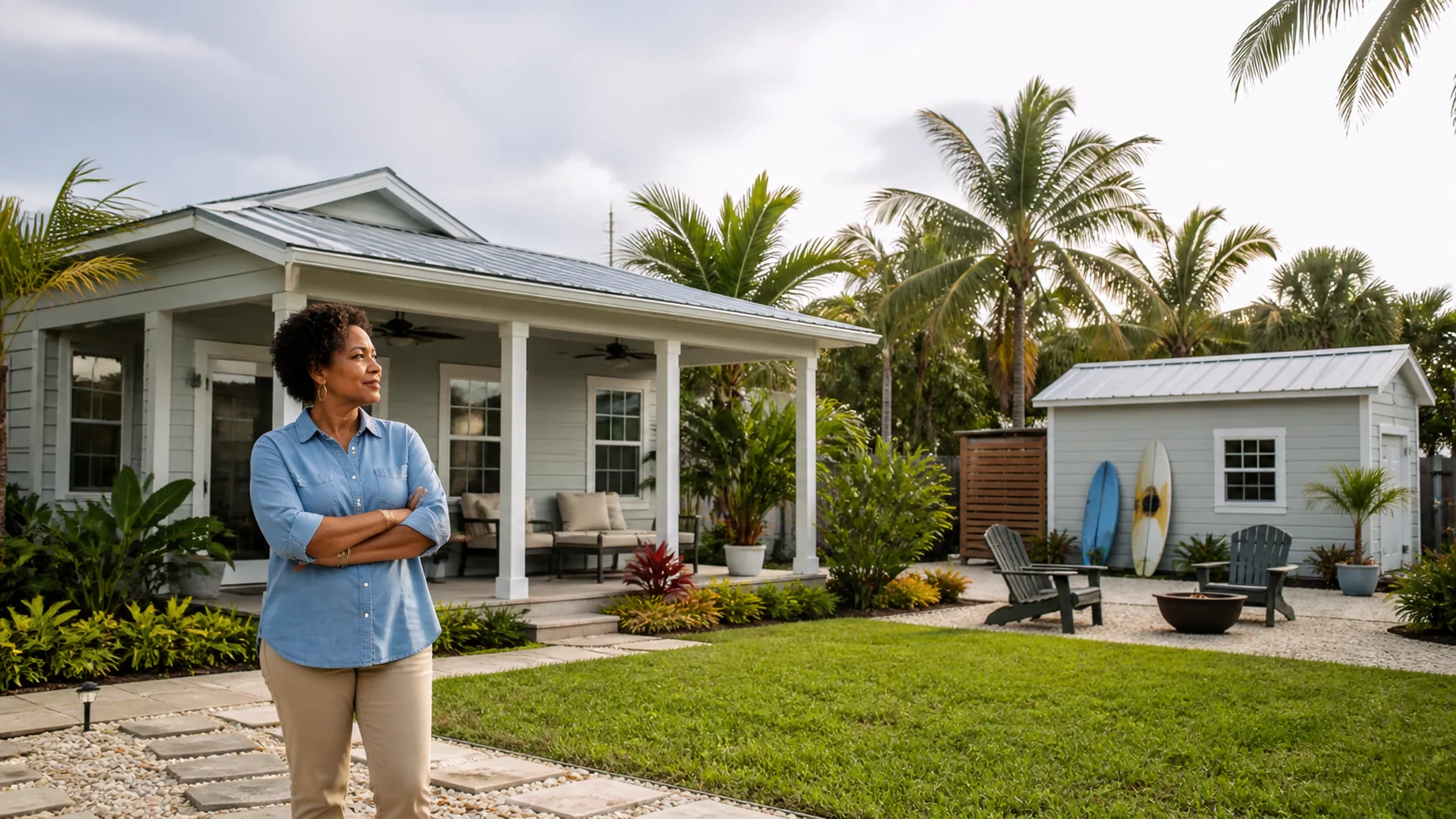
Not every structure on the property gets the same treatment, and this is where Florida policies diverge most from a generic national policy. Fences, detached garages, sheds, gazebos, driveways and mailboxes are the core group typically covered under Coverage B without special conditions, subject to the policy’s standard perils and exclusions. Pool cages and screen enclosures are a different story in Florida specifically. Because aluminum-framed screen enclosures have produced very large storm-related loss totals for insurers, a substantial share of Florida carriers now exclude them from the base policy outright, cover them only under a limited, separately priced endorsement, or cap their payout at a small sublimit rather than the full Coverage B amount. Citizens Property Insurance Corporation, Florida’s state-backed insurer of last resort, is explicit about this: its base policy excludes Coverage A and Coverage B protection for screened enclosures that are aluminum-framed or not built from the same or substantially the same materials as the primary dwelling. That exclusion also covers related lightweight structures such as unmatched carports, open patios and porches, awnings, and structures roofed in thatch, lattice or similar material. Citizens does offer a limited optional endorsement for hurricane-caused losses to these structures, but it is not all-risk coverage and typically carries its own modest cap. Private carriers vary widely in their appetite for insuring screen enclosures, so this is a detail worth confirming directly rather than assuming from a generic policy summary. Docks and boat lifts see a similar pattern: they are usually classified as another structure and can pick up limited coverage for perils like fire or vandalism. But wind and hurricane damage to a dock is frequently excluded or capped, and flood damage, the way most docks get destroyed in a storm, is never covered by a homeowners policy at all and requires a separate flood policy.
What perils reach other structures: and which deductible applies?
Coverage B responds to the same list of covered perils as the rest of the policy (fire, lightning, windstorm, hail, vandalism and the other named perils on an HO-3 form) applied to the detached structure instead of the house. It does not add coverage for anything the main policy excludes: flood damage, earth movement, and ordinary wear and tear are outside Coverage B just as they are outside Coverage A. On the deductible side, Coverage B does not carry a deductible of its own. A covered claim on a fence or shed is subject to the same All Other Perils (AOP) deductible or, for hurricane-caused damage, the same percentage-based hurricane deductible that applies to the rest of the policy. There is no separate, smaller deductible reserved for other structures. Because Florida hurricane deductibles are typically calculated as a percentage of the Coverage A dwelling limit rather than a flat dollar figure, a claim confined entirely to a detached structure can still be measured against a hurricane deductible sized to the whole house. That sometimes leaves a modest fence or shed loss below the amount the policyholder would recover.
Can the Coverage B limit be increased, and do Florida carriers allow it?
Yes. The default percentage is a floor, not a ceiling, and Florida carriers generally allow homeowners to raise the Coverage B limit for additional premium when the value of detached structures on the property exceeds the automatic amount. This is common for properties with a detached workshop, guesthouse, or an unusually extensive fence line, where 10% of the dwelling limit would fall well short of rebuilding cost. Raising the limit is typically a straightforward endorsement request through the carrier or agent rather than a full underwriting event, though it can trigger a fresh look at the structure being insured, particularly for pool cages and other higher-risk items discussed above. Homeowners with meaningful detached structures should total their replacement cost separately from the house and compare that figure against the Coverage B line on the declarations page, since the automatic percentage is calculated off the dwelling value and has no relationship to what the detached structures are worth.
Frequently asked questions
Does a fence around the whole property count as one item under Coverage B, or is each section separate?
Coverage B applies to the fence as a single covered item with one limit shared across every other structure on the property, not a separate allowance per fence section. A large loss to a long fence run competes for the same dollars as any shed, garage or gazebo damaged in the same event.
If my detached garage is destroyed, does the claim come out of Coverage A or Coverage B?
Coverage B, because the structure is not attached to the dwelling. Coverage B is a smaller dollar limit than Coverage A, so a total loss of a detached garage is capped at whatever the Coverage B line reads on the declarations page, even if that amount would not fully replace the structure.
Is my above-ground or in-ground pool itself covered under Coverage B?
The pool structure itself is often covered as another structure, subject to the policy’s terms, but this is separate from the screen enclosure or pool cage discussed above, which many Florida carriers treat much more restrictively. The pool and its cage should be checked against the policy independently rather than assumed to share the same treatment.
Why would my insurer refuse to cover my existing pool cage at renewal?
Florida insurers have increasingly moved to exclude or sharply limit coverage for aluminum-framed screen enclosures because they generate large, frequent storm losses relative to their value. A structure that was covered under a prior policy or a prior carrier can lose that coverage at renewal, or be moved to a limited hurricane-only endorsement, even with no change to the structure itself.
Does my hurricane deductible apply separately to a Coverage B claim, or only to the house?
The same hurricane deductible applies. Coverage B does not carry its own deductible, so a hurricane-caused loss to a detached structure is measured against the same percentage-based hurricane deductible, typically calculated off the Coverage A dwelling limit, that applies to the rest of the policy.
Can I add extra coverage just for a dock without raising my entire Coverage B limit?
Some carriers offer dock-specific endorsements or scheduled coverage rather than requiring a full increase to the blanket Coverage B limit, though availability varies by carrier. Because standard Coverage B treatment of docks is often limited for wind and always excludes flood, a dock owner concerned about storm exposure should ask the carrier directly what dock-specific options exist rather than assuming the base policy is sufficient.
 Need a specific insurance company?
Get a quote from your Florida-licensed agent
Share a few details about your home, and our team will follow up to review your request and explain the next step.
- Florida-licensed agent
- Help with all property types
- No obligation
- Quotes typically back within 24 to 48 hours