
Florida condo unit insurance
A condo unit policy is often called an HO-6. It works beside the condo association’s master policy. The two policies may leave gaps if you do not compare them.
Quick answers
Sourced from Florida Statutes §§ 553.899 and 718.111 and Florida DFS homeowners guidance. Last verified: August 2026.
Where Does the Association’s Master Policy End and My HO-6 Begin?
The condo association’s master policy typically covers the building’s shared structure and common areas, while an HO-6 policy covers what the master policy doesn’t, generally the interior of the unit, personal property, and liability.
Exactly where that line falls depends on the association’s governing documents and the specific master policy, so reviewing both together is the only way to know what’s covered.
What Is “Walls-In” Coverage, and Where Do I Find My Limit?
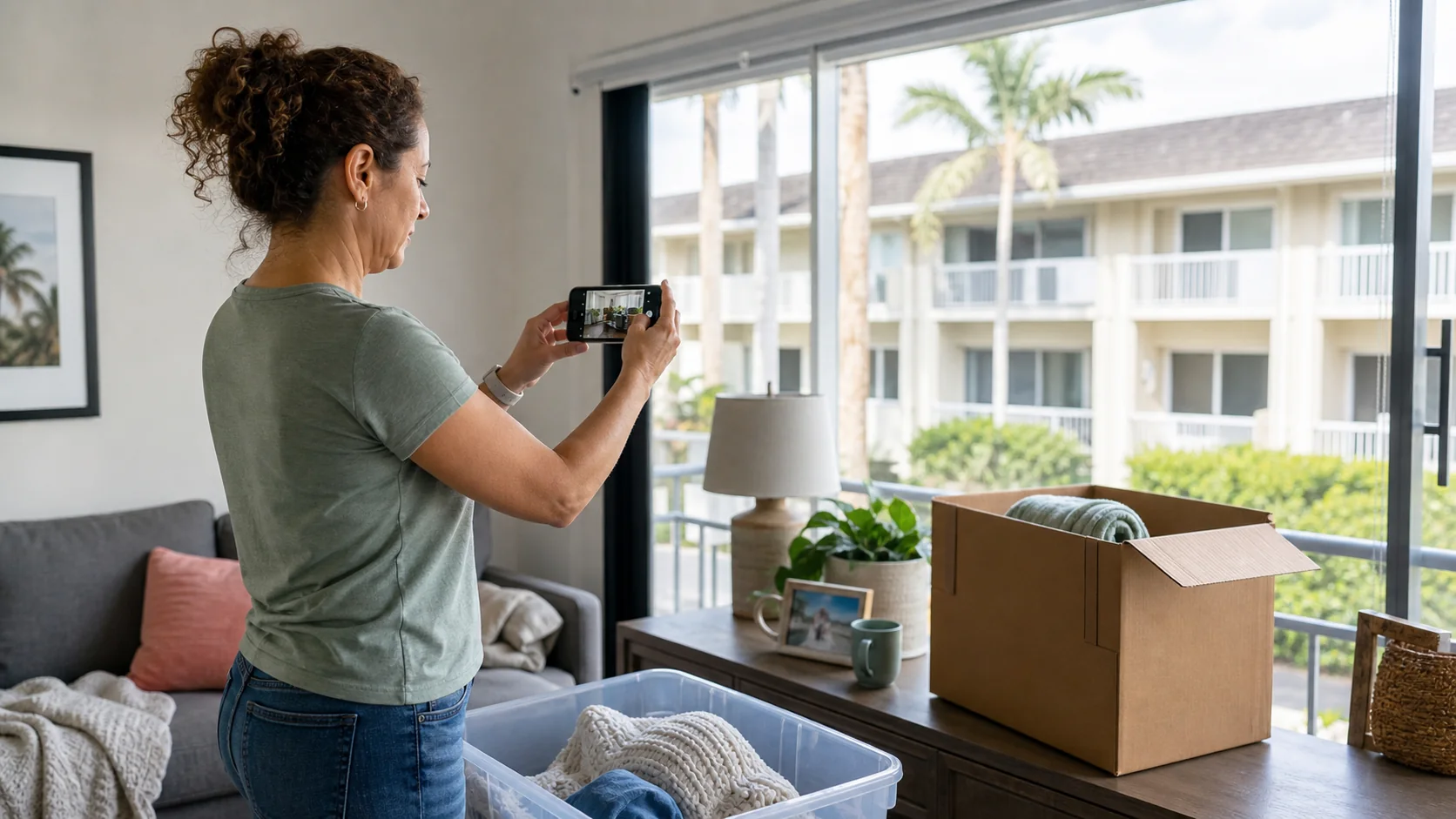
“Walls-in” coverage generally refers to interior finishes, fixtures, and improvements inside the unit (flooring, cabinets, built-ins) that the master policy typically does not cover.
The dwelling coverage limit on an HO-6 declarations page reflects this walls-in amount, which is usually much lower than what a single-family HO-3 dwelling limit would be for a comparable home.
How Do Milestone Inspections and Reserve Studies Show Up in Condo Underwriting?
Florida’s milestone inspection and structural integrity reserve study requirements apply to certain condo buildings and can surface structural issues that affect both the association’s master policy and individual owners’ ability to get HO-6 coverage.
A building with a failed or overdue milestone inspection, or an underfunded reserve study, can make some carriers more cautious about writing units in that building.
What Do Condo Carriers Ask About the Building, Not Just My Unit?
Carriers commonly ask about the building’s age, the status of its master policy, whether a milestone inspection or reserve study is current, and sometimes the building’s overall claims history.
An HO-6 application can be affected by building-level issues even when the individual unit itself has no problems.
What Does Condo Insurance Cost in Florida, and What Drives the Number?
HO-6 premiums are influenced by the unit’s walls-in coverage limit, the building’s age and condition, its master policy adequacy, and the owner’s claims history, not by a single statewide rate.
Because building-level factors matter so much, two similar units in different buildings can see meaningfully different HO-6 quotes.
Frequently asked questions
Do I need my own insurance if the condo association has a master policy?
Yes. The master policy generally does not cover your unit’s interior, personal property, or personal liability.
What is a milestone inspection?
A structural inspection required for certain older condo buildings under Florida law, intended to catch structural issues before they become safety hazards.
Does my HO-6 cover a special assessment from the association?
Some HO-6 policies offer optional loss-assessment coverage; availability and limits vary by carrier and policy.
Where to go next

 Ready to get coverage for this type of home?
Get a quote from your Florida-licensed agent
A licensed agent will follow up directly to help find the right coverage.
- Florida-licensed agent
- Help with all property types
- No obligation
- Quotes typically back within 24 to 48 hours