
Does St. Augustine flood? What homeowners should know
St. Augustine can flood on a sunny afternoon when a king tide backs up the storm drains, and far worse when a hurricane pushes the bay into town. Here’s where and why, from city and federal sources, and what flood insurance pays for.
Quick answers
Sourced from FEMA’s Flood Map Service Center and Community Rating System list, the City of St. Augustine, St. Johns County Emergency Management, NOAA Tides and Currents, the National Hurricane Center, Citizens Property Insurance Corporation and FloodSmart.gov. Last verified: October 2026.
Does St. Augustine Flood?
Yes. The City of St. Augustine says about 90% of its residents live in a floodplain. Its Flood Hazards page lists several reasons the city floods:
- Rain at high tide. Regular rain can flood streets when it falls while the tide is high, because the water has nowhere to drain.
- Heavy local rain. Some soils in the area don’t drain well.
- Old drainage. The city says some of its infrastructure is old or too small for today’s needs.
- Storms. Storm surge, nor’easters, tropical storms and hurricanes can push water from the bay, the rivers and the creeks into neighborhoods.
The city also notes that as Anastasia Island was developed, wetlands were filled and trees were removed, so the island absorbs a storm’s force less well than it once did.
Where Does St. Augustine Flood at High Tide?
The city sends out alerts before the highest tides of the year. In September 2025 it warned of higher-than-usual street flooding from king tides, wind and rain, and named these areas of concern (it said the list wasn’t complete):
- Lincolnville and the area around Maria Sanchez Lake
- South Davis Shores
- Abbott Tract, Fullerwood and Nelmar Terrace
- The bayfront seawall by the Castillo de San Marcos
- Bridge Street between Cordova and Granada Streets
- The San Sebastian River bridge at US 1 and King Street
Much of this water comes up through the drains. In a state resilience grant document, the city counted about 103 stormwater outfalls that are tidally influenced, which lets high tides back up into the streets. It said it had fitted 43 of them with tide check valves to stop that backflow and planned to do 20 more.
King tides are the extra-high tides that come when a new or full moon lines up with the moon’s closest point to Earth. NOAA explains that this happens about 6 to 8 times a year and that these tides can run more than a foot higher than other spring tides, enough to cause minor flooding in low-lying areas. A storm offshore at the same time makes it worse.
How Have Hurricanes Flooded St. Augustine?
The National Hurricane Center’s storm reports show how high the water has reached:
- Hurricane Matthew (October 2016): water up to 4 feet above ground in the city of St. Augustine, and an estimated 6 to 7 feet above ground near Matanzas Inlet. The city says Matthew flooded Davis Shores, Lincolnville, the historic districts and parts of Abbott Tract.
- Hurricane Irma (September 2017): high water marks of 2 to 4 feet above ground in the area, the highest 3.3 feet near Vilano Beach. The city says Irma flooded many of the same areas as Matthew.
- Hurricane Ian (September 2022): 3 to 5 feet of inundation above ground along the northeast Florida coast, from Volusia County to the Georgia line.
- Hurricane Nicole (November 2022): up to 5 feet above ground along the northeast coast, by NHC’s estimate, even though Nicole came ashore far to the south near Vero Beach.
The city’s flood history goes back further, too. It lists Tropical Storm Gabrielle in 2001, which closed many roads and caused $900,000 in property damage, plus floods in eight other years between 1994 and 2009.

What Does Flood Insurance Cover After a Flood?
A homeowners policy doesn’t pay for flood damage, whether the water came from a hurricane’s surge or rain that couldn’t drain. A flood policy does. Under the NFIP, a flood means water covering two or more acres of normally dry land, or two or more properties (one of them yours), from the overflow of inland or tidal waters or the unusual and rapid buildup of surface water.
When water gets inside, an NFIP policy can pay for:
- The building, up to $250,000: the structure and foundation, plumbing and electrical systems, and items like built-in appliances, cabinets and wall-to-wall carpet.
- Your belongings, up to $100,000, if you buy contents coverage: furniture, clothing, electronics and some portable appliances.
It won’t pay for cars, seawalls, fences, decks, pools or landscaping, money and valuable papers, or a hotel while you’re out of the house. Water standing in the street that never reaches your home isn’t a claim. Renters can buy contents coverage on their own, the city notes, even if the owner doesn’t insure the building.
Do You Need Flood Insurance in St. Augustine Outside a High-Risk Zone?
Two rules can require it. A federally regulated or insured lender, or a government-backed loan, must require flood insurance on a home in a high-risk zone. And Citizens requires flood coverage on policies with wind coverage: in high-risk zones now, outside them when dwelling coverage is $400,000 or more, and on every such policy from January 1, 2027. The Citizens flood requirement guide has the details.
Outside a high-risk zone with neither rule in play, it’s your call. FloodSmart says almost one-third of NFIP claims from 2014 to 2024 came from outside high-risk flood areas, and the king tide streets above show how quickly water can reach a curb in this city.
The city also earns a flood insurance discount. FEMA lists St. Augustine as a Class 4 community in its Community Rating System since April 1, 2026, which takes 30% off NFIP premiums for policies in high-risk zones and 10% off outside them. FEMA lists December 7, 2018, as the effective date of the city’s current flood maps. You can check your zone on the FEMA Flood Map Service Center or the city’s Flood Zone Maps page.
How Do You Get Ready Before Flood Season?
- Buy early. The city’s flood insurance page points out the NFIP’s 30-day waiting period. A policy bought when a storm is already forecast won’t cover it (the wait is waived when you buy with a new or refinanced mortgage).
- Watch the tide calendar. NOAA’s Monthly High Tide Flooding Outlook shows the days high tides are likely to flood at nearby gauges, up to a year ahead. Park on higher ground on those days and don’t drive through salt water.
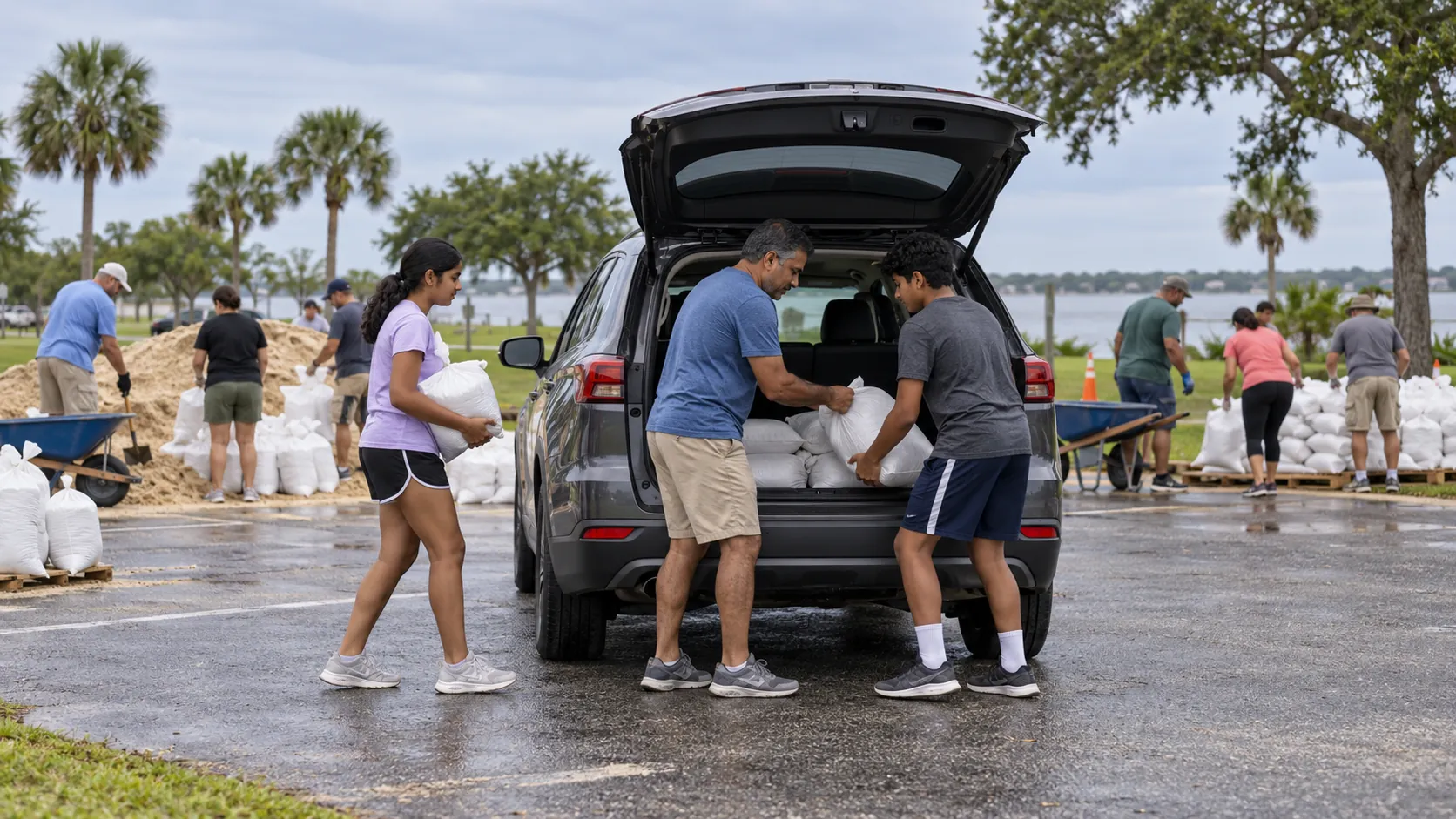
- Protect the house. The city suggests sandbags or plastic sheeting at low doors, sealing sewer lines so sewage can’t back up, and, for homes where water could top the first floor, raising the building. A permit is required for permanent flood protection work.
- Sign up for alerts. St. Johns County Emergency Management runs Alert St. Johns and an evacuation zone lookup.
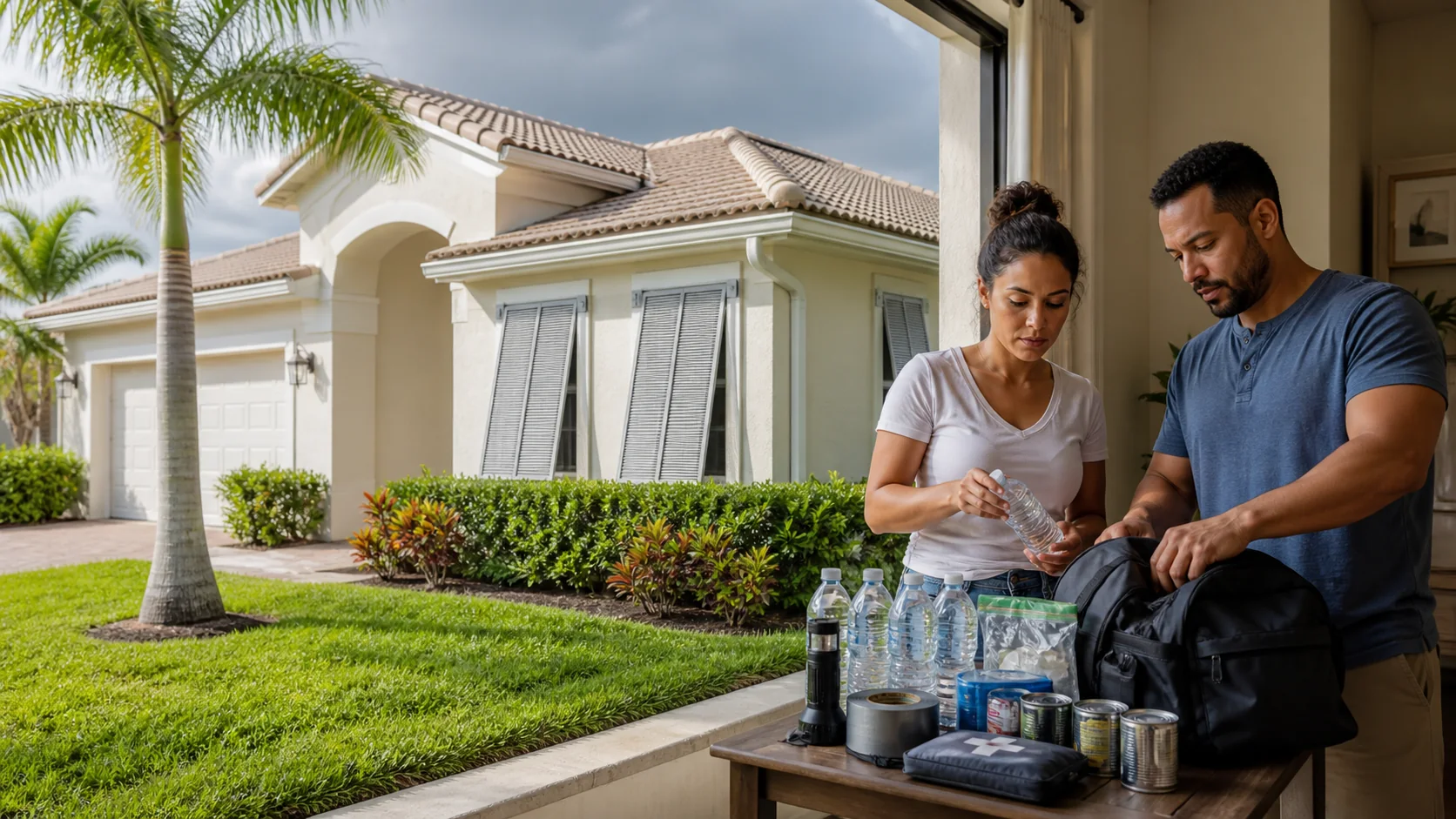
- Get your papers ready. Photograph your rooms and belongings and keep your policy where you can reach it. The hurricane preparedness checklist walks through the rest.
Local Flood Resources for St. Augustine
- City of St. Augustine Public Works: report street flooding or clogged drains with the Report Flooding form, or call 904-825-1040.
- City Planning and Building: elevation certificates for properties from 1992 on, and the city’s flood hazard viewer on its Flood Zone Maps page. Call 904-825-1065.
- City Flood Hazards page: local flood history and links to flood safety and property protection.
- St. Johns County Emergency Management: Alert St. Johns, evacuation zones and shelters.
- FEMA: the FEMA Flood Map Service Center has the official map for your address.
- County guide: St. Johns County flood insurance guide.
Frequently asked questions
Why does St. Augustine flood when it doesn’t rain?
During king tides and other very high tides, bay water backs up through storm drains that empty into tidal water, and it can spill into low streets on a dry day. The city has added tide check valves to many of those outfalls, and the highest tides still bring street flooding in places like Lincolnville and Davis Shores.
Is St. Augustine in a flood zone?
Much of it is. The city says about 90% of residents live in a floodplain. Look up your own address on the FEMA Flood Map Service Center or the city’s flood hazard viewer, since zones change from block to block.
Does flood insurance cover king tide flooding?
It can. The NFIP’s definition of a flood includes the overflow of tidal waters across two or more acres or two or more properties. The water has to damage your insured building or belongings, so water that stays in the street isn’t a claim.
Can I buy flood insurance right before a storm?
You can buy it, but an NFIP policy usually takes 30 days to start, so it won’t cover a storm that’s already on the way. The exception is a policy bought with a new or refinanced mortgage.
Does car insurance cover a flooded car?
Flood insurance doesn’t cover cars. Any coverage would come from your auto policy, so ask your auto insurer whether yours includes comprehensive coverage. On king tide days, the city asks drivers to stay out of flooded streets.
Who do I report street flooding to in St. Augustine?
Use the city’s Report Flooding form, which asks for the location, time and photos so the city can compare it with tides and weather, or call Public Works at 904-825-1040.
 Questions about your coverage?
Get a quote from your Florida-licensed agent
Share a few details about your home, and our team will follow up to review your request and explain the next step.
- Florida-licensed agent
- Help with all property types
- No obligation
- A licensed agent reviews your request and follows up directly
Where to go next

St. Johns County flood guide
Flood zones, zone letters and CRS discounts across St. Johns County.
Hurricane preparedness
Policies, documents and photos to have ready.

Flood insurance basics
What flood insurance covers and who has to carry it.

Citizens flood requirement
Dates, limits and the proof Citizens asks for.